Home Blog Page 3

Best AI Productivity Tools in 2026: ChatGPT, Agents, and Workflow Automation

0

For pChatGPT readers, best AI productivity tools 2026 matters because AI tools are becoming everyday workspaces rather than occasional experiments. The opportunity is productivity, but the winning users are the ones who turn features into repeatable workflows.

The best way to approach this subject is to move beyond hype and ask operational questions. What problem does it solve? Which users are affected? What data or permissions are involved? What process changes are required? What evidence shows that the new approach is safer, faster, or more reliable than the current one?

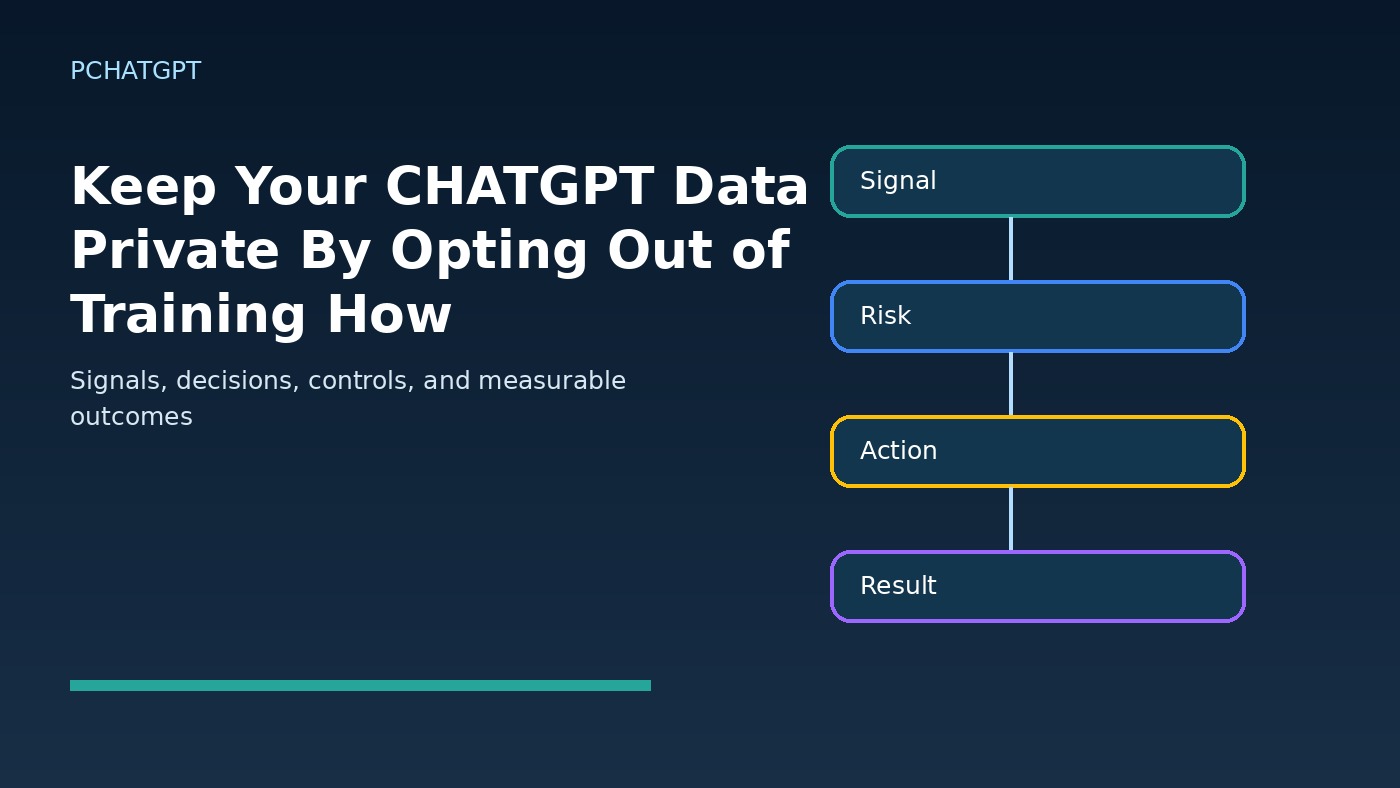
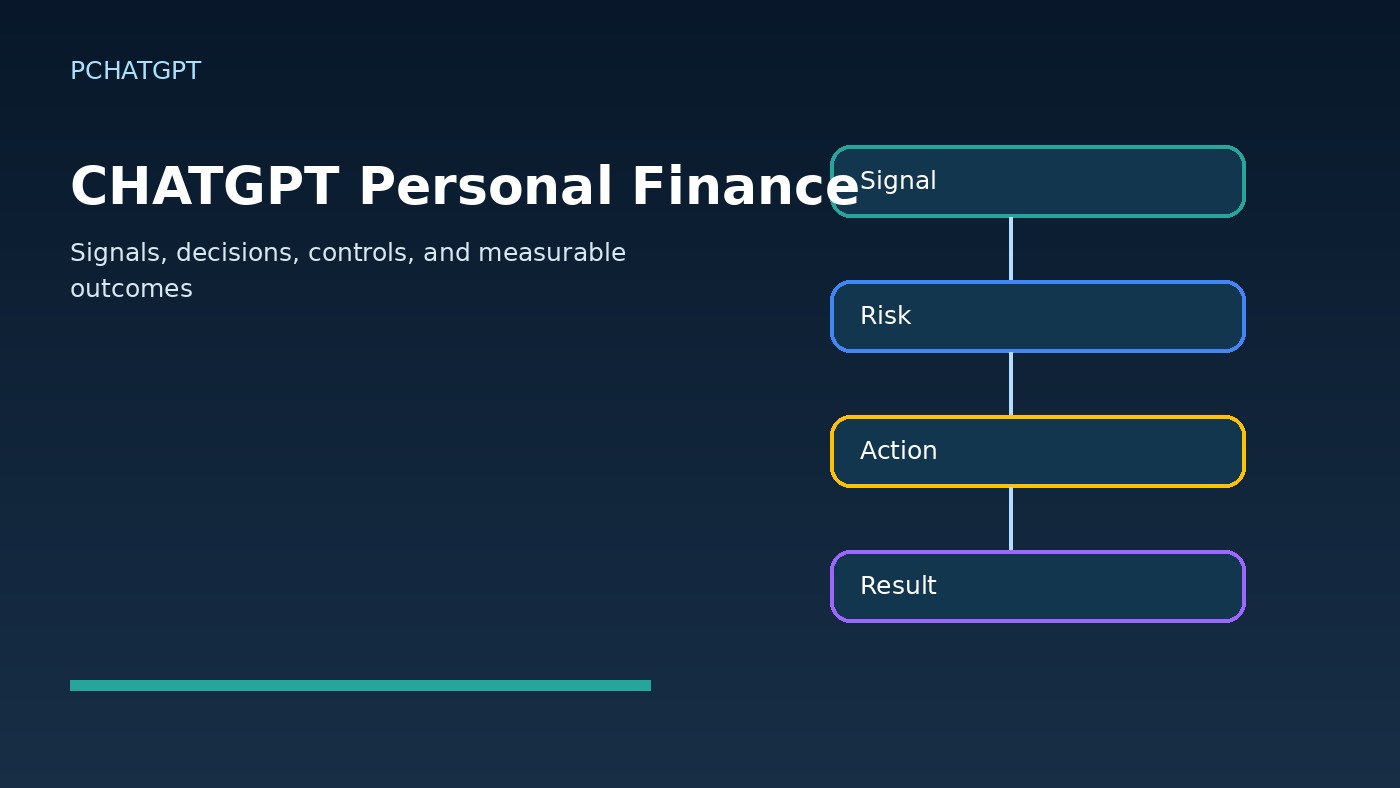
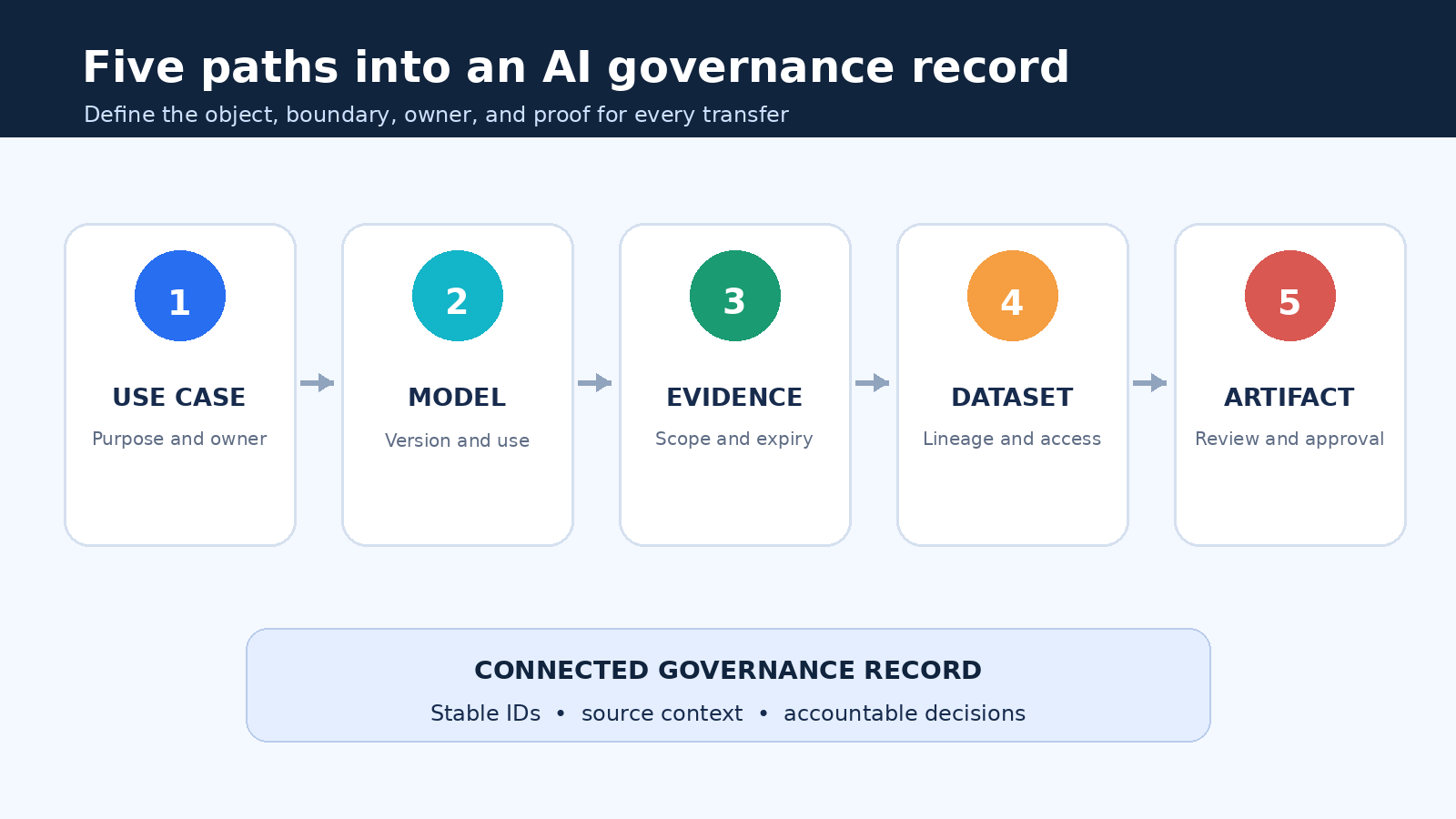
best AI productivity tools 2026 workflow diagram
A practical operating model turns best AI productivity tools 2026 from a broad trend into decisions, controls, and measurable outcomes.

Why Best AI Productivity Tools 2026 Matters Now

The timing matters because organizations are under pressure to adopt new technology without creating unmanaged risk. In practice, best AI productivity tools 2026 should be evaluated through business impact, user behavior, data exposure, and long-term maintainability. A topic that looks simple from the outside can affect procurement, training, compliance, customer trust, and daily operations.

For a practical team, the goal is not perfection on day one. The goal is a controlled rollout that creates evidence. Leaders should ask for examples, before-and-after measurements, known limitations, and a clear owner for improvement. This makes best AI productivity tools 2026 easier to defend as a serious initiative rather than a temporary experiment.

The Main Risks and Opportunities

The opportunity is clear: better speed, clearer decisions, stronger controls, and less wasted manual work. The risk is also clear: teams may adopt a tool or process before they understand its limits. Common gaps include weak ownership, missing logs, unclear approval rules, poor documentation, and overconfidence in automation. Useful planning should compare benefits with realistic failure modes.

For a practical team, the goal is not perfection on day one. The goal is a controlled rollout that creates evidence. Leaders should ask for examples, before-and-after measurements, known limitations, and a clear owner for improvement. This makes best AI productivity tools 2026 easier to defend as a serious initiative rather than a temporary experiment.

How Teams Should Evaluate It

Start by mapping the workflow. Identify who uses it, what information enters the process, where decisions are made, and what systems are touched. Then review prompt libraries, saved instructions, file analysis, spreadsheet workflows, research summaries, image support, custom GPTs, automation links, and privacy settings. A simple map often reveals whether the topic is mainly a training issue, a tooling issue, a governance issue, or a deeper architecture problem.

For a practical team, the goal is not perfection on day one. The goal is a controlled rollout that creates evidence. Leaders should ask for examples, before-and-after measurements, known limitations, and a clear owner for improvement. This makes best AI productivity tools 2026 easier to defend as a serious initiative rather than a temporary experiment.

A Practical Implementation Framework

A safe implementation can follow this sequence: workflow selection, tool comparison, prompt templates, output review, privacy checks, team training, measurement, and monthly optimization. This keeps the project grounded. Instead of launching a broad change at once, teams can test the approach with a small group, measure results, fix weak points, and then expand with confidence.

For a practical team, the goal is not perfection on day one. The goal is a controlled rollout that creates evidence. Leaders should ask for examples, before-and-after measurements, known limitations, and a clear owner for improvement. This makes best AI productivity tools 2026 easier to defend as a serious initiative rather than a temporary experiment.

What Good Governance Looks Like

Good governance is not a long document that nobody reads. It is a set of clear rules that fit the way people actually work. The rules should define acceptable use, approval requirements, data boundaries, escalation paths, monitoring expectations, and review cycles. When governance is lightweight and visible, users are more likely to follow it.

For a practical team, the goal is not perfection on day one. The goal is a controlled rollout that creates evidence. Leaders should ask for examples, before-and-after measurements, known limitations, and a clear owner for improvement. This makes best AI productivity tools 2026 easier to defend as a serious initiative rather than a temporary experiment.

Metrics to Track

Teams should track adoption, time saved, errors reduced, incidents avoided, support tickets, user satisfaction, and policy exceptions. Metrics should be tied to decisions. If a feature saves time but increases review failures, the process needs adjustment. If a control reduces risk but blocks legitimate work, the rollout may need better training or more precise rules.

For a practical team, the goal is not perfection on day one. The goal is a controlled rollout that creates evidence. Leaders should ask for examples, before-and-after measurements, known limitations, and a clear owner for improvement. This makes best AI productivity tools 2026 easier to defend as a serious initiative rather than a temporary experiment.

Common Mistakes to Avoid

The first mistake is treating a trend as a complete solution. The second is ignoring users who must apply it under pressure. The third is failing to document recovery paths when something goes wrong. The fourth is measuring only activity, such as number of users or prompts, instead of outcomes such as quality, safety, or business value.

For a practical team, the goal is not perfection on day one. The goal is a controlled rollout that creates evidence. Leaders should ask for examples, before-and-after measurements, known limitations, and a clear owner for improvement. This makes best AI productivity tools 2026 easier to defend as a serious initiative rather than a temporary experiment.

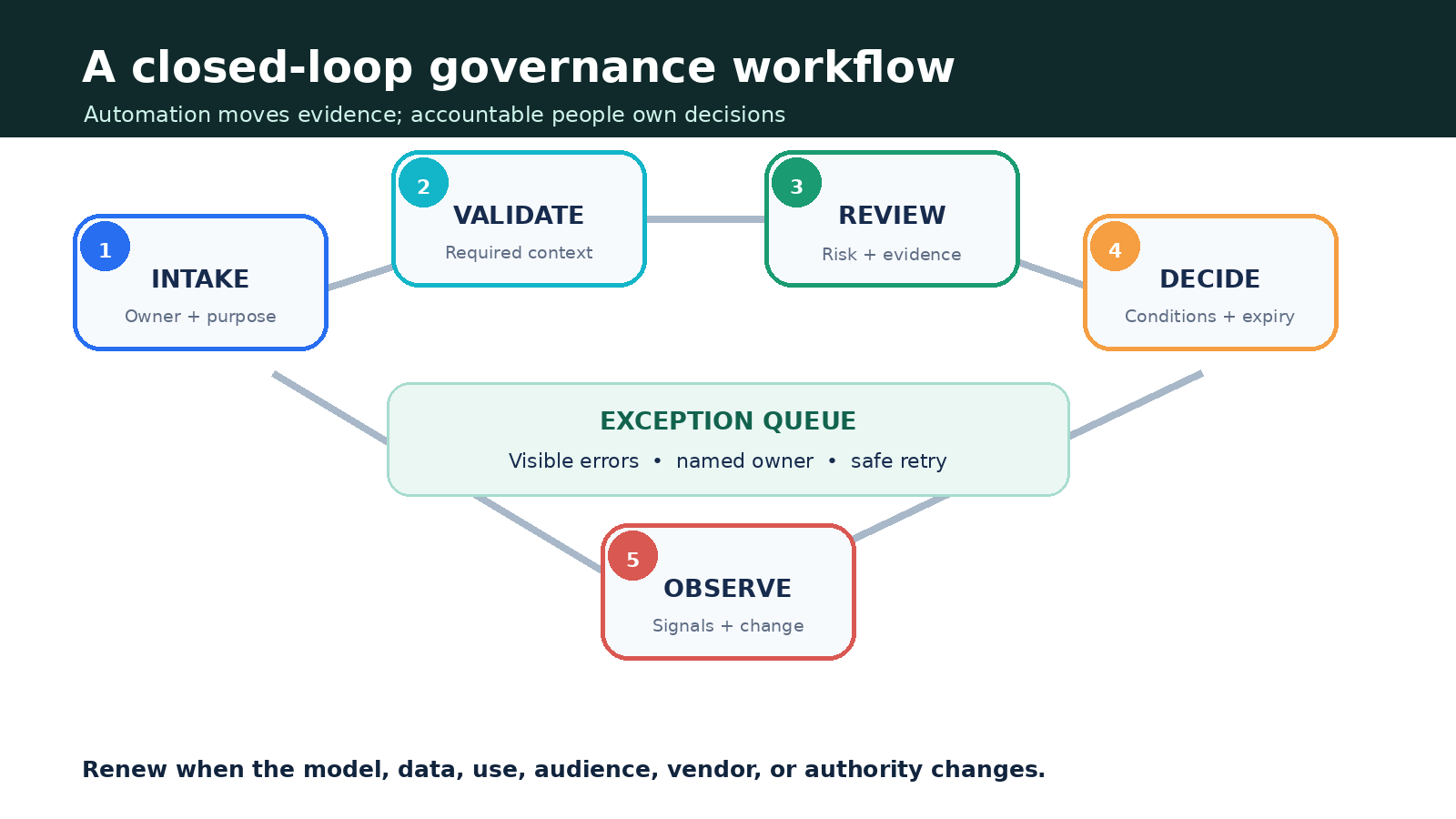
best AI productivity tools 2026 implementation checklist
Use a checklist to connect planning, rollout, monitoring, and continuous improvement.

Internal Links and Further Reading

Readers can connect this guide with related coverage in ChatGPT and AI Tools. These sections provide broader context for risk management, AI adoption, cloud operations, and productivity workflows.

FAQ

Is Best AI Productivity Tools 2026 only for large organizations?

No. Smaller teams can benefit because they often need simple, repeatable processes even more than large enterprises. The key is to start with one high-value workflow and keep the rollout manageable.

What is the safest first step?

Start with an inventory and a pilot. Choose one workflow, define success criteria, identify risks, and test with a small group before expanding.

How often should the process be reviewed?

Review it after the first pilot, after the first month of broader use, and then quarterly. Fast-changing technology needs regular checks because tools, risks, and user habits change quickly.

What should leaders ask before approving adoption?

Ask what problem is being solved, what data is involved, who owns the process, how results will be checked, and what happens if the tool or workflow fails.

Conclusion

best AI productivity tools 2026 should be treated as a practical operating decision. The teams that get value will define the use case, control the risks, train users, measure outcomes, and improve the workflow over time. That approach turns a current topic into durable capability.

Step-by-Step Rollout Plan

First, document the current process and the pain point. Second, define the desired result in measurable language. Third, list systems, users, data, and permissions touched by the change. Fourth, create a pilot group with a clear start and end date. Fifth, collect examples of successful and failed outputs. Sixth, update guidance before expanding. This sequence prevents teams from scaling confusion.

Security and Privacy Review

Every modern technology workflow should include a privacy review. Teams should know whether sensitive data is entered, stored, exported, or shared with third parties. Access should be limited to the people who need it. Logs should be retained long enough to investigate problems. If the workflow involves customers, finance, health, legal, or internal strategy, approval rules should be stricter.

Training Users Without Slowing Them Down

Training works best when it is short, specific, and close to the work. Give users examples they can copy, screenshots of correct behavior, and a simple checklist for risky situations. Avoid abstract policy language. A user should know exactly what to do when they see an unexpected result, a suspicious request, or a task that requires human review.

How to Keep Improving

After launch, collect feedback from users and reviewers. Look for repeated errors, confusing prompts, unnecessary approvals, and missing integrations. Improvement should be scheduled, not accidental. A monthly review can remove friction, update templates, retire weak steps, and turn successful experiments into standard operating procedures.

Decision Checklist for Managers

Managers should confirm that the owner, scope, user group, data boundary, approval path, and success metric are all clear. They should also ask what will be stopped or simplified once the new workflow is adopted. Without that discipline, teams may add another layer of tools without removing old manual work, which weakens the business case and creates confusion.

Operational Playbook

A useful playbook should describe normal use, exception handling, review responsibilities, and rollback steps. It should name the person or team responsible for updates. It should also include examples of acceptable and unacceptable usage. This makes the workflow easier to audit, easier to train, and easier to improve when new risks or opportunities appear.

Practical AI Productivity Workflow Example

A useful way to evaluate any AI productivity tool is to test it inside one small repeatable workflow before adding it to your daily routine. For example, a content marketer can ask ChatGPT to turn meeting notes into a campaign brief, use an automation agent to create tasks in a project board, and then review the final output manually before anything is sent to customers. This keeps AI helpful while preserving human judgment.

  • Input: meeting notes, customer questions, or a rough outline.
  • AI step: summarize, structure, suggest next actions, and identify missing context.
  • Human review: verify facts, remove private details, and adjust tone.
  • Output: a checklist, draft, report, or task list that can be reused.

Before choosing a tool, compare how it handles privacy settings, export options, collaboration, and error recovery. Readers who want more context about our editorial approach can visit the About PChatGPT page or browse the AI tools FAQ.

Practical Productivity Tools Chatgpt Agents Workflow for Readers

This update expands the article with a practical, reader-first workflow designed for people who use ChatGPT and AI tools in real projects rather than only reading a high-level overview. Before you copy a prompt or install another extension, define the task, the expected output, the audience, the data you can safely provide, and the human review step that will catch mistakes. That simple preparation makes best ai productivity tools in 2026: chatgpt, agents, and workflow automation more useful because it turns AI from a random answer generator into a repeatable assistant that supports writing, research, planning, coding, support, and productivity work.

Start with a short project brief. Write one sentence for the goal, one sentence for the context, three bullet points for constraints, and one example of the format you want. Then ask ChatGPT to produce a first draft, critique the draft, and revise it against your constraints. This three-step loop is more reliable than a single long prompt because it separates generation from quality control. If the output will be published, sent to a customer, or used for business decisions, add a final manual verification step for facts, dates, names, prices, and claims.

Step-by-step implementation checklist

  • Clarify the use case: decide whether the AI should summarize, compare, draft, brainstorm, analyze, rewrite, classify, or create a plan.
  • Provide trusted context: paste only the minimum safe information needed. Remove private data, credentials, unpublished customer details, and confidential business records.
  • Ask for structure: request headings, tables, examples, assumptions, risks, and next actions so the answer is easier to audit.
  • Force verification: ask the model to mark uncertain claims, list missing information, and separate facts from recommendations.
  • Review like an editor: check accuracy, originality, tone, formatting, and whether the answer actually solves the reader’s problem.
  • Save reusable prompts: when a prompt works, store it with notes about the task, input format, output format, and review criteria.

Example prompt you can adapt

Use this structure as a safe starting point: “Act as an AI productivity editor. My goal is [describe goal]. The audience is [describe audience]. Use the following context: [paste non-sensitive context]. Create a practical answer with steps, examples, common mistakes, and a short FAQ. If any claim is uncertain, label it as uncertain and tell me how to verify it.” This prompt works well because it tells the model what role to play, what outcome matters, what context to use, and how to handle uncertainty.

Common mistakes to avoid

The most common mistake is treating every AI answer as final. ChatGPT can be persuasive even when it is incomplete, outdated, or too generic. Another mistake is using one prompt for every task. A prompt for a product comparison should not look like a prompt for a legal-style policy summary or a coding bug report. Finally, avoid publishing AI text without adding your own judgment, examples, screenshots, workflow notes, or local context. Readers and search engines both reward pages that demonstrate experience and usefulness.

Internal resources for deeper learning

FAQ: Best AI Productivity Tools in 2026: ChatGPT, Agents, and Workflow Automation

Is this workflow suitable for beginners?

Yes. Beginners should start with a narrow task, provide clear context, and review the result carefully. The goal is not to automate judgment, but to make the first draft, comparison, or checklist faster and easier to improve.

Can I use the same process for business content?

You can, but business content needs stricter review. Verify facts, remove confidential information, adapt the tone to your brand, and make sure the final version includes examples or insights that come from real experience.

How do I know if the AI answer is good enough?

A good answer is specific, structured, accurate, and actionable. It should explain assumptions, mention risks, include concrete steps, and help the reader make a decision or complete a task without needing to search again immediately.

Should I trust sources generated by ChatGPT?

No source should be trusted blindly. If the answer includes citations, open the sources yourself, confirm they exist, check the publication date, and compare important claims with official documentation or reputable expert references.

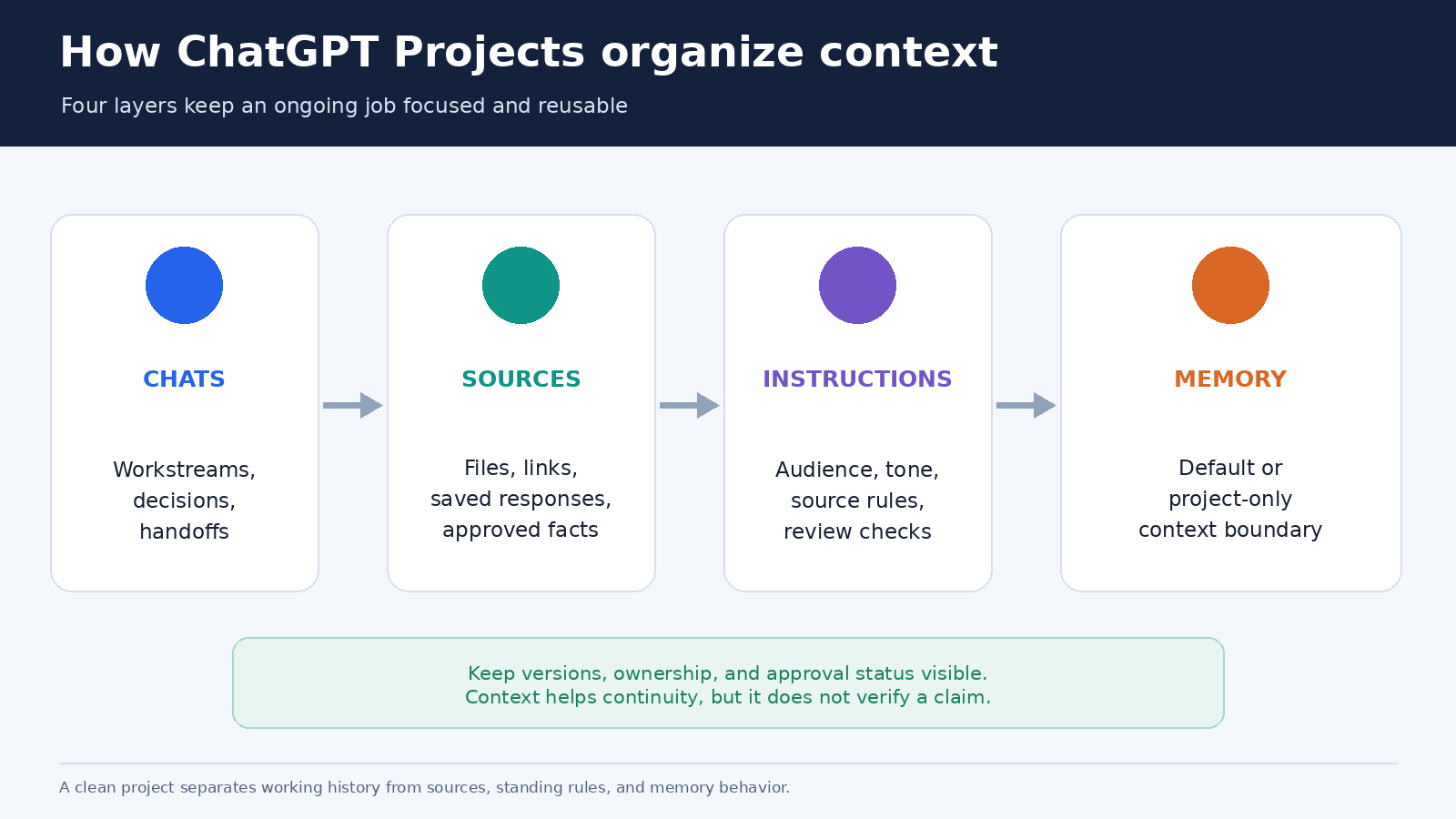
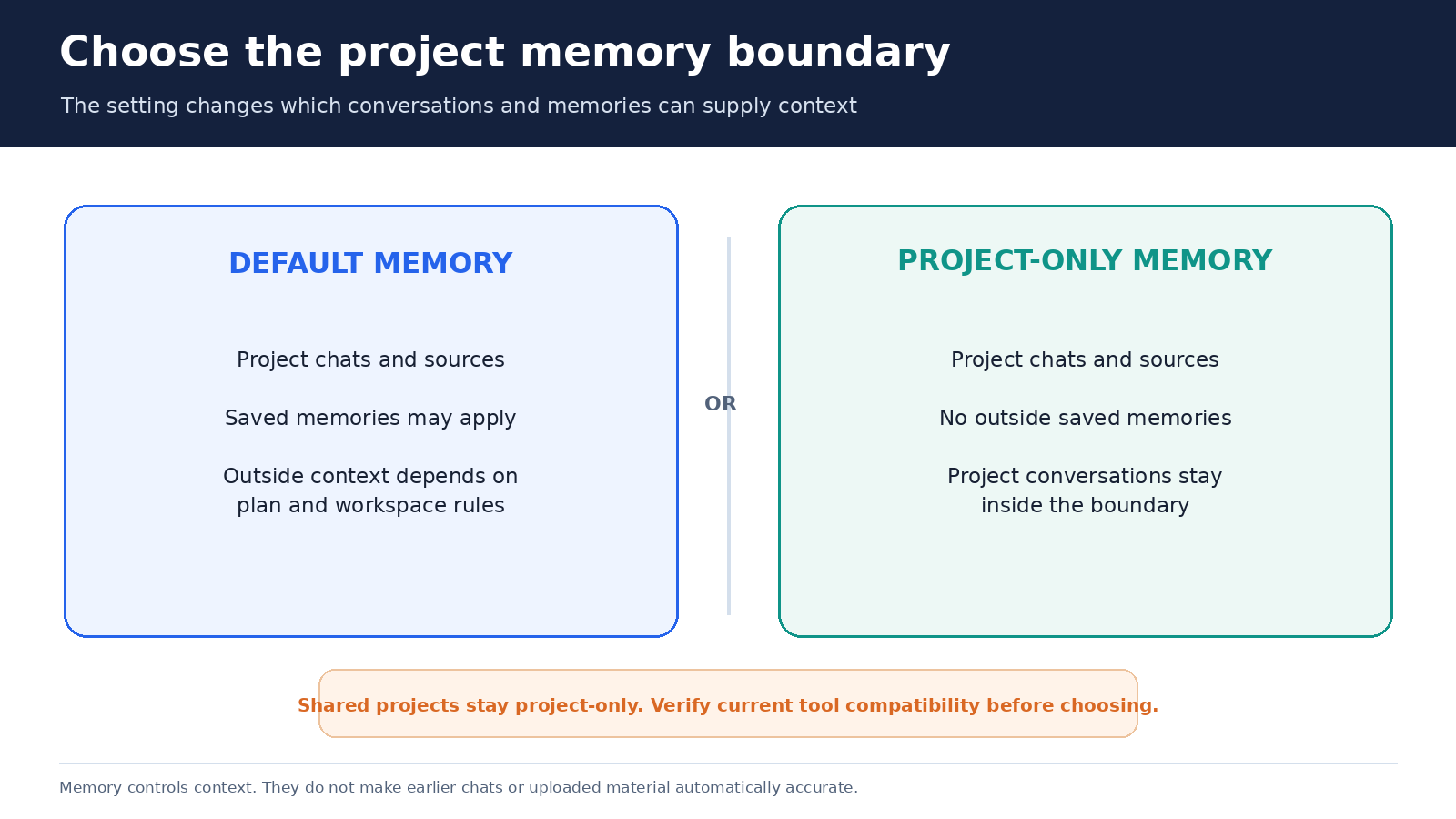
Advanced CHATGPT Projects Guide 2026: Workflows, Files, Memory, and Best Practices for Power Users

0

For pChatGPT readers, ChatGPT Projects guide 2026 matters because AI tools are becoming everyday workspaces rather than occasional experiments. The opportunity is productivity, but the winning users are the ones who turn features into repeatable workflows.

The best way to approach this subject is to move beyond hype and ask operational questions. What problem does it solve? Which users are affected? What data or permissions are involved? What process changes are required? What evidence shows that the new approach is safer, faster, or more reliable than the current one?

ChatGPT Projects guide 2026 workflow diagram
A practical operating model turns ChatGPT Projects guide 2026 from a broad trend into decisions, controls, and measurable outcomes.

Why CHATGPT Projects Guide 2026 Matters Now

The timing matters because organizations are under pressure to adopt new technology without creating unmanaged risk. In practice, ChatGPT Projects guide 2026 should be evaluated through business impact, user behavior, data exposure, and long-term maintainability. A topic that looks simple from the outside can affect procurement, training, compliance, customer trust, and daily operations.

For a practical team, the goal is not perfection on day one. The goal is a controlled rollout that creates evidence. Leaders should ask for examples, before-and-after measurements, known limitations, and a clear owner for improvement. This makes ChatGPT Projects guide 2026 easier to defend as a serious initiative rather than a temporary experiment.

The Main Risks and Opportunities

The opportunity is clear: better speed, clearer decisions, stronger controls, and less wasted manual work. The risk is also clear: teams may adopt a tool or process before they understand its limits. Common gaps include weak ownership, missing logs, unclear approval rules, poor documentation, and overconfidence in automation. Useful planning should compare benefits with realistic failure modes.

For a practical team, the goal is not perfection on day one. The goal is a controlled rollout that creates evidence. Leaders should ask for examples, before-and-after measurements, known limitations, and a clear owner for improvement. This makes ChatGPT Projects guide 2026 easier to defend as a serious initiative rather than a temporary experiment.

How Teams Should Evaluate It

Start by mapping the workflow. Identify who uses it, what information enters the process, where decisions are made, and what systems are touched. Then review prompt libraries, saved instructions, file analysis, spreadsheet workflows, research summaries, image support, custom GPTs, automation links, and privacy settings. A simple map often reveals whether the topic is mainly a training issue, a tooling issue, a governance issue, or a deeper architecture problem.

For a practical team, the goal is not perfection on day one. The goal is a controlled rollout that creates evidence. Leaders should ask for examples, before-and-after measurements, known limitations, and a clear owner for improvement. This makes ChatGPT Projects guide 2026 easier to defend as a serious initiative rather than a temporary experiment.

A Practical Implementation Framework

A safe implementation can follow this sequence: workflow selection, tool comparison, prompt templates, output review, privacy checks, team training, measurement, and monthly optimization. This keeps the project grounded. Instead of launching a broad change at once, teams can test the approach with a small group, measure results, fix weak points, and then expand with confidence.

For a practical team, the goal is not perfection on day one. The goal is a controlled rollout that creates evidence. Leaders should ask for examples, before-and-after measurements, known limitations, and a clear owner for improvement. This makes ChatGPT Projects guide 2026 easier to defend as a serious initiative rather than a temporary experiment.

What Good Governance Looks Like

Good governance is not a long document that nobody reads. It is a set of clear rules that fit the way people actually work. The rules should define acceptable use, approval requirements, data boundaries, escalation paths, monitoring expectations, and review cycles. When governance is lightweight and visible, users are more likely to follow it.

For a practical team, the goal is not perfection on day one. The goal is a controlled rollout that creates evidence. Leaders should ask for examples, before-and-after measurements, known limitations, and a clear owner for improvement. This makes ChatGPT Projects guide 2026 easier to defend as a serious initiative rather than a temporary experiment.

Metrics to Track

Teams should track adoption, time saved, errors reduced, incidents avoided, support tickets, user satisfaction, and policy exceptions. Metrics should be tied to decisions. If a feature saves time but increases review failures, the process needs adjustment. If a control reduces risk but blocks legitimate work, the rollout may need better training or more precise rules.

For a practical team, the goal is not perfection on day one. The goal is a controlled rollout that creates evidence. Leaders should ask for examples, before-and-after measurements, known limitations, and a clear owner for improvement. This makes ChatGPT Projects guide 2026 easier to defend as a serious initiative rather than a temporary experiment.

Common Mistakes to Avoid

The first mistake is treating a trend as a complete solution. The second is ignoring users who must apply it under pressure. The third is failing to document recovery paths when something goes wrong. The fourth is measuring only activity, such as number of users or prompts, instead of outcomes such as quality, safety, or business value.

For a practical team, the goal is not perfection on day one. The goal is a controlled rollout that creates evidence. Leaders should ask for examples, before-and-after measurements, known limitations, and a clear owner for improvement. This makes ChatGPT Projects guide 2026 easier to defend as a serious initiative rather than a temporary experiment.

ChatGPT Projects guide 2026 implementation checklist
Use a checklist to connect planning, rollout, monitoring, and continuous improvement.

Internal Links and Further Reading

Readers can connect this guide with related coverage in ChatGPT and AI Tools. These sections provide broader context for risk management, AI adoption, cloud operations, and productivity workflows.

FAQ

Is CHATGPT Projects Guide 2026 only for large organizations?

No. Smaller teams can benefit because they often need simple, repeatable processes even more than large enterprises. The key is to start with one high-value workflow and keep the rollout manageable.

What is the safest first step?

Start with an inventory and a pilot. Choose one workflow, define success criteria, identify risks, and test with a small group before expanding.

How often should the process be reviewed?

Review it after the first pilot, after the first month of broader use, and then quarterly. Fast-changing technology needs regular checks because tools, risks, and user habits change quickly.

What should leaders ask before approving adoption?

Ask what problem is being solved, what data is involved, who owns the process, how results will be checked, and what happens if the tool or workflow fails.

Conclusion

ChatGPT Projects guide 2026 should be treated as a practical operating decision. The teams that get value will define the use case, control the risks, train users, measure outcomes, and improve the workflow over time. That approach turns a current topic into durable capability.

Step-by-Step Rollout Plan

First, document the current process and the pain point. Second, define the desired result in measurable language. Third, list systems, users, data, and permissions touched by the change. Fourth, create a pilot group with a clear start and end date. Fifth, collect examples of successful and failed outputs. Sixth, update guidance before expanding. This sequence prevents teams from scaling confusion.

Security and Privacy Review

Every modern technology workflow should include a privacy review. Teams should know whether sensitive data is entered, stored, exported, or shared with third parties. Access should be limited to the people who need it. Logs should be retained long enough to investigate problems. If the workflow involves customers, finance, health, legal, or internal strategy, approval rules should be stricter.

Training Users Without Slowing Them Down

Training works best when it is short, specific, and close to the work. Give users examples they can copy, screenshots of correct behavior, and a simple checklist for risky situations. Avoid abstract policy language. A user should know exactly what to do when they see an unexpected result, a suspicious request, or a task that requires human review.

How to Keep Improving

After launch, collect feedback from users and reviewers. Look for repeated errors, confusing prompts, unnecessary approvals, and missing integrations. Improvement should be scheduled, not accidental. A monthly review can remove friction, update templates, retire weak steps, and turn successful experiments into standard operating procedures.

Decision Checklist for Managers

Managers should confirm that the owner, scope, user group, data boundary, approval path, and success metric are all clear. They should also ask what will be stopped or simplified once the new workflow is adopted. Without that discipline, teams may add another layer of tools without removing old manual work, which weakens the business case and creates confusion.

Operational Playbook

A useful playbook should describe normal use, exception handling, review responsibilities, and rollback steps. It should name the person or team responsible for updates. It should also include examples of acceptable and unacceptable usage. This makes the workflow easier to audit, easier to train, and easier to improve when new risks or opportunities appear.

Real Project Setup Checklist

For best results, treat a ChatGPT Project like a small knowledge workspace rather than a single chat. Start by defining the role of the project, the files it may use, the writing style you expect, and the decisions that still require human approval. This reduces vague answers and helps you reuse the same setup for recurring work.

  • Create a short project brief with goals, audience, and forbidden assumptions.
  • Add only files that are relevant to the current workflow; remove outdated material.
  • Use a first prompt that asks ChatGPT to list what it knows and what is missing.
  • Keep a review step for facts, citations, private data, and final publishing decisions.

This approach is especially useful for research notes, customer-support drafts, training material, and content calendars. For broader AI productivity guidance, see the AI productivity tools guide and our FAQ.

Practical Advanced Chatgpt Projects Workflows Workflow for Readers

This update expands the article with a practical, reader-first workflow designed for people who use ChatGPT and AI tools in real projects rather than only reading a high-level overview. Before you copy a prompt or install another extension, define the task, the expected output, the audience, the data you can safely provide, and the human review step that will catch mistakes. That simple preparation makes advanced chatgpt projects guide 2026: workflows, files, memory, and best practices for power users more useful because it turns AI from a random answer generator into a repeatable assistant that supports writing, research, planning, coding, support, and productivity work.

Start with a short project brief. Write one sentence for the goal, one sentence for the context, three bullet points for constraints, and one example of the format you want. Then ask ChatGPT to produce a first draft, critique the draft, and revise it against your constraints. This three-step loop is more reliable than a single long prompt because it separates generation from quality control. If the output will be published, sent to a customer, or used for business decisions, add a final manual verification step for facts, dates, names, prices, and claims.

Step-by-step implementation checklist

  • Clarify the use case: decide whether the AI should summarize, compare, draft, brainstorm, analyze, rewrite, classify, or create a plan.
  • Provide trusted context: paste only the minimum safe information needed. Remove private data, credentials, unpublished customer details, and confidential business records.
  • Ask for structure: request headings, tables, examples, assumptions, risks, and next actions so the answer is easier to audit.
  • Force verification: ask the model to mark uncertain claims, list missing information, and separate facts from recommendations.
  • Review like an editor: check accuracy, originality, tone, formatting, and whether the answer actually solves the reader’s problem.
  • Save reusable prompts: when a prompt works, store it with notes about the task, input format, output format, and review criteria.

Example prompt you can adapt

Use this structure as a safe starting point: “Act as an AI productivity editor. My goal is [describe goal]. The audience is [describe audience]. Use the following context: [paste non-sensitive context]. Create a practical answer with steps, examples, common mistakes, and a short FAQ. If any claim is uncertain, label it as uncertain and tell me how to verify it.” This prompt works well because it tells the model what role to play, what outcome matters, what context to use, and how to handle uncertainty.

Common mistakes to avoid

The most common mistake is treating every AI answer as final. ChatGPT can be persuasive even when it is incomplete, outdated, or too generic. Another mistake is using one prompt for every task. A prompt for a product comparison should not look like a prompt for a legal-style policy summary or a coding bug report. Finally, avoid publishing AI text without adding your own judgment, examples, screenshots, workflow notes, or local context. Readers and search engines both reward pages that demonstrate experience and usefulness.

Internal resources for deeper learning

FAQ: Advanced CHATGPT Projects Guide 2026: Workflows, Files, Memory, and Best Practices for Power Users

Is this workflow suitable for beginners?

Yes. Beginners should start with a narrow task, provide clear context, and review the result carefully. The goal is not to automate judgment, but to make the first draft, comparison, or checklist faster and easier to improve.

Can I use the same process for business content?

You can, but business content needs stricter review. Verify facts, remove confidential information, adapt the tone to your brand, and make sure the final version includes examples or insights that come from real experience.

How do I know if the AI answer is good enough?

A good answer is specific, structured, accurate, and actionable. It should explain assumptions, mention risks, include concrete steps, and help the reader make a decision or complete a task without needing to search again immediately.

Should I trust sources generated by ChatGPT?

No source should be trusted blindly. If the answer includes citations, open the sources yourself, confirm they exist, check the publication date, and compare important claims with official documentation or reputable expert references.

CHATGPT Cheat Sheet 2026: Multimodal, Memory, and Tool-Using Workflows for Daily Productivity

0

For pChatGPT readers, ChatGPT cheat sheet 2026 matters because AI tools are becoming everyday workspaces rather than occasional experiments. The opportunity is productivity, but the winning users are the ones who turn features into repeatable workflows.

The best way to approach this subject is to move beyond hype and ask operational questions. What problem does it solve? Which users are affected? What data or permissions are involved? What process changes are required? What evidence shows that the new approach is safer, faster, or more reliable than the current one?

ChatGPT cheat sheet 2026 workflow diagram
A practical operating model turns ChatGPT cheat sheet 2026 from a broad trend into decisions, controls, and measurable outcomes.

Why CHATGPT Cheat Sheet 2026 Matters Now

The timing matters because organizations are under pressure to adopt new technology without creating unmanaged risk. In practice, ChatGPT cheat sheet 2026 should be evaluated through business impact, user behavior, data exposure, and long-term maintainability. A topic that looks simple from the outside can affect procurement, training, compliance, customer trust, and daily operations.

For a practical team, the goal is not perfection on day one. The goal is a controlled rollout that creates evidence. Leaders should ask for examples, before-and-after measurements, known limitations, and a clear owner for improvement. This makes ChatGPT cheat sheet 2026 easier to defend as a serious initiative rather than a temporary experiment.

The Main Risks and Opportunities

The opportunity is clear: better speed, clearer decisions, stronger controls, and less wasted manual work. The risk is also clear: teams may adopt a tool or process before they understand its limits. Common gaps include weak ownership, missing logs, unclear approval rules, poor documentation, and overconfidence in automation. Useful planning should compare benefits with realistic failure modes.

For a practical team, the goal is not perfection on day one. The goal is a controlled rollout that creates evidence. Leaders should ask for examples, before-and-after measurements, known limitations, and a clear owner for improvement. This makes ChatGPT cheat sheet 2026 easier to defend as a serious initiative rather than a temporary experiment.

How Teams Should Evaluate It

Start by mapping the workflow. Identify who uses it, what information enters the process, where decisions are made, and what systems are touched. Then review prompt libraries, saved instructions, file analysis, spreadsheet workflows, research summaries, image support, custom GPTs, automation links, and privacy settings. A simple map often reveals whether the topic is mainly a training issue, a tooling issue, a governance issue, or a deeper architecture problem.

For a practical team, the goal is not perfection on day one. The goal is a controlled rollout that creates evidence. Leaders should ask for examples, before-and-after measurements, known limitations, and a clear owner for improvement. This makes ChatGPT cheat sheet 2026 easier to defend as a serious initiative rather than a temporary experiment.

A Practical Implementation Framework

A safe implementation can follow this sequence: workflow selection, tool comparison, prompt templates, output review, privacy checks, team training, measurement, and monthly optimization. This keeps the project grounded. Instead of launching a broad change at once, teams can test the approach with a small group, measure results, fix weak points, and then expand with confidence.

For a practical team, the goal is not perfection on day one. The goal is a controlled rollout that creates evidence. Leaders should ask for examples, before-and-after measurements, known limitations, and a clear owner for improvement. This makes ChatGPT cheat sheet 2026 easier to defend as a serious initiative rather than a temporary experiment.

What Good Governance Looks Like

Good governance is not a long document that nobody reads. It is a set of clear rules that fit the way people actually work. The rules should define acceptable use, approval requirements, data boundaries, escalation paths, monitoring expectations, and review cycles. When governance is lightweight and visible, users are more likely to follow it.

For a practical team, the goal is not perfection on day one. The goal is a controlled rollout that creates evidence. Leaders should ask for examples, before-and-after measurements, known limitations, and a clear owner for improvement. This makes ChatGPT cheat sheet 2026 easier to defend as a serious initiative rather than a temporary experiment.

Metrics to Track

Teams should track adoption, time saved, errors reduced, incidents avoided, support tickets, user satisfaction, and policy exceptions. Metrics should be tied to decisions. If a feature saves time but increases review failures, the process needs adjustment. If a control reduces risk but blocks legitimate work, the rollout may need better training or more precise rules.

For a practical team, the goal is not perfection on day one. The goal is a controlled rollout that creates evidence. Leaders should ask for examples, before-and-after measurements, known limitations, and a clear owner for improvement. This makes ChatGPT cheat sheet 2026 easier to defend as a serious initiative rather than a temporary experiment.

Common Mistakes to Avoid

The first mistake is treating a trend as a complete solution. The second is ignoring users who must apply it under pressure. The third is failing to document recovery paths when something goes wrong. The fourth is measuring only activity, such as number of users or prompts, instead of outcomes such as quality, safety, or business value.

For a practical team, the goal is not perfection on day one. The goal is a controlled rollout that creates evidence. Leaders should ask for examples, before-and-after measurements, known limitations, and a clear owner for improvement. This makes ChatGPT cheat sheet 2026 easier to defend as a serious initiative rather than a temporary experiment.

ChatGPT cheat sheet 2026 implementation checklist
Use a checklist to connect planning, rollout, monitoring, and continuous improvement.

Internal Links and Further Reading

Readers can connect this guide with related coverage in ChatGPT and AI Tools. These sections provide broader context for risk management, AI adoption, cloud operations, and productivity workflows.

FAQ

Is CHATGPT Cheat Sheet 2026 only for large organizations?

No. Smaller teams can benefit because they often need simple, repeatable processes even more than large enterprises. The key is to start with one high-value workflow and keep the rollout manageable.

What is the safest first step?

Start with an inventory and a pilot. Choose one workflow, define success criteria, identify risks, and test with a small group before expanding.

How often should the process be reviewed?

Review it after the first pilot, after the first month of broader use, and then quarterly. Fast-changing technology needs regular checks because tools, risks, and user habits change quickly.

What should leaders ask before approving adoption?

Ask what problem is being solved, what data is involved, who owns the process, how results will be checked, and what happens if the tool or workflow fails.

Conclusion

ChatGPT cheat sheet 2026 should be treated as a practical operating decision. The teams that get value will define the use case, control the risks, train users, measure outcomes, and improve the workflow over time. That approach turns a current topic into durable capability.

Step-by-Step Rollout Plan

First, document the current process and the pain point. Second, define the desired result in measurable language. Third, list systems, users, data, and permissions touched by the change. Fourth, create a pilot group with a clear start and end date. Fifth, collect examples of successful and failed outputs. Sixth, update guidance before expanding. This sequence prevents teams from scaling confusion.

Security and Privacy Review

Every modern technology workflow should include a privacy review. Teams should know whether sensitive data is entered, stored, exported, or shared with third parties. Access should be limited to the people who need it. Logs should be retained long enough to investigate problems. If the workflow involves customers, finance, health, legal, or internal strategy, approval rules should be stricter.

Training Users Without Slowing Them Down

Training works best when it is short, specific, and close to the work. Give users examples they can copy, screenshots of correct behavior, and a simple checklist for risky situations. Avoid abstract policy language. A user should know exactly what to do when they see an unexpected result, a suspicious request, or a task that requires human review.

How to Keep Improving

After launch, collect feedback from users and reviewers. Look for repeated errors, confusing prompts, unnecessary approvals, and missing integrations. Improvement should be scheduled, not accidental. A monthly review can remove friction, update templates, retire weak steps, and turn successful experiments into standard operating procedures.

Decision Checklist for Managers

Managers should confirm that the owner, scope, user group, data boundary, approval path, and success metric are all clear. They should also ask what will be stopped or simplified once the new workflow is adopted. Without that discipline, teams may add another layer of tools without removing old manual work, which weakens the business case and creates confusion.

Operational Playbook

A useful playbook should describe normal use, exception handling, review responsibilities, and rollback steps. It should name the person or team responsible for updates. It should also include examples of acceptable and unacceptable usage. This makes the workflow easier to audit, easier to train, and easier to improve when new risks or opportunities appear.

How to Use This Cheat Sheet Responsibly

A cheat sheet is most valuable when it helps you build a repeatable process, not when it replaces judgment. Pick one prompt pattern, test it on a low-risk task, compare the answer with your own notes, and save only the version that consistently improves your workflow. This prevents prompt overload and keeps your ChatGPT usage practical.

  • Use specific context: role, goal, audience, constraints, and desired format.
  • Ask ChatGPT to explain uncertainty and list assumptions.
  • Review sensitive or high-impact outputs before sharing them.
  • Update saved prompts when the interface, model behavior, or business process changes.

If you are new to the site, visit About PChatGPT to understand our editorial focus, or explore the advanced ChatGPT Projects guide for a deeper workflow example.

Practical workflow for applying CHATGPT Cheat Sheet 2026: Multimodal, Memory, and Tool-Using Workflows for Daily Productivity safely

This editorial update adds a hands-on workflow for readers who want to turn the topic into a reliable ChatGPT or AI-tools process rather than a short prompt experiment. Start by defining the exact outcome, the audience, and the quality standard before you ask an AI tool to produce anything. Then provide constraints such as tone, length, required sources, prohibited claims, and the final format you need. This keeps the output useful for real work and reduces generic answers.

A good implementation pattern is to work in three passes. In the first pass, ask for a structured outline or checklist only. In the second pass, request the full draft, workflow, or comparison based on that outline. In the third pass, ask the model to audit its own answer for missing assumptions, unclear steps, unsupported claims, and potential privacy or compliance risks. This sequence is slower than a one-line prompt, but it produces stronger results for business, education, writing, research, and productivity use cases.

Quality checklist before publishing or using the result

  • Check that every recommendation matches your actual goal and context.
  • Replace vague phrases with examples, numbers, steps, or decision criteria.
  • Verify facts, tool names, pricing, and policy claims from official sources when they affect decisions.
  • Remove private data, client information, API keys, and confidential documents before pasting text into any AI tool.
  • Save the final prompt and output so the workflow can be repeated and improved.

For best results, treat AI output as a first draft and review it like an editor. The value comes from combining the speed of ChatGPT with human judgment, domain knowledge, and clear quality control. Readers can also compare this guide with related articles on PChatGPT to build a broader AI productivity workflow.

Related PChatGPT reading

FAQ update

Can this workflow be used with any AI tool?
Yes. The same steps work with ChatGPT, Claude, Gemini, Perplexity, and most writing or productivity assistants, although each tool may require slightly different prompt wording.

What is the biggest mistake to avoid?
The biggest mistake is copying AI output without checking accuracy, originality, and fit for the reader. Always review, edit, and verify important details before using the result publicly.

How to Find Your Lost CHATGPT Conversations: A Practical Guide for 2026

0

For pChatGPT readers, how to find your lost chatgpt conversations matters because AI tools are becoming everyday workspaces rather than occasional experiments. The opportunity is productivity, but the winning users are the ones who turn features into repeatable workflows.

The best way to approach this subject is to move beyond hype and ask operational questions. What problem does it solve? Which users are affected? What data or permissions are involved? What process changes are required? What evidence shows that the new approach is safer, faster, or more reliable than the current one?

how to find your lost chatgpt conversations workflow diagram
A practical operating model turns how to find your lost chatgpt conversations from a broad trend into decisions, controls, and measurable outcomes.

Why How to Find Your Lost CHATGPT Conversations Matters Now

The timing matters because organizations are under pressure to adopt new technology without creating unmanaged risk. In practice, how to find your lost chatgpt conversations should be evaluated through business impact, user behavior, data exposure, and long-term maintainability. A topic that looks simple from the outside can affect procurement, training, compliance, customer trust, and daily operations.

For a practical team, the goal is not perfection on day one. The goal is a controlled rollout that creates evidence. Leaders should ask for examples, before-and-after measurements, known limitations, and a clear owner for improvement. This makes how to find your lost chatgpt conversations easier to defend as a serious initiative rather than a temporary experiment.

The Main Risks and Opportunities

The opportunity is clear: better speed, clearer decisions, stronger controls, and less wasted manual work. The risk is also clear: teams may adopt a tool or process before they understand its limits. Common gaps include weak ownership, missing logs, unclear approval rules, poor documentation, and overconfidence in automation. Useful planning should compare benefits with realistic failure modes.

For a practical team, the goal is not perfection on day one. The goal is a controlled rollout that creates evidence. Leaders should ask for examples, before-and-after measurements, known limitations, and a clear owner for improvement. This makes how to find your lost chatgpt conversations easier to defend as a serious initiative rather than a temporary experiment.

How Teams Should Evaluate It

Start by mapping the workflow. Identify who uses it, what information enters the process, where decisions are made, and what systems are touched. Then review prompt libraries, saved instructions, file analysis, spreadsheet workflows, research summaries, image support, custom GPTs, automation links, and privacy settings. A simple map often reveals whether the topic is mainly a training issue, a tooling issue, a governance issue, or a deeper architecture problem.

For a practical team, the goal is not perfection on day one. The goal is a controlled rollout that creates evidence. Leaders should ask for examples, before-and-after measurements, known limitations, and a clear owner for improvement. This makes how to find your lost chatgpt conversations easier to defend as a serious initiative rather than a temporary experiment.

A Practical Implementation Framework

A safe implementation can follow this sequence: workflow selection, tool comparison, prompt templates, output review, privacy checks, team training, measurement, and monthly optimization. This keeps the project grounded. Instead of launching a broad change at once, teams can test the approach with a small group, measure results, fix weak points, and then expand with confidence.

For a practical team, the goal is not perfection on day one. The goal is a controlled rollout that creates evidence. Leaders should ask for examples, before-and-after measurements, known limitations, and a clear owner for improvement. This makes how to find your lost chatgpt conversations easier to defend as a serious initiative rather than a temporary experiment.

What Good Governance Looks Like

Good governance is not a long document that nobody reads. It is a set of clear rules that fit the way people actually work. The rules should define acceptable use, approval requirements, data boundaries, escalation paths, monitoring expectations, and review cycles. When governance is lightweight and visible, users are more likely to follow it.

For a practical team, the goal is not perfection on day one. The goal is a controlled rollout that creates evidence. Leaders should ask for examples, before-and-after measurements, known limitations, and a clear owner for improvement. This makes how to find your lost chatgpt conversations easier to defend as a serious initiative rather than a temporary experiment.

Metrics to Track

Teams should track adoption, time saved, errors reduced, incidents avoided, support tickets, user satisfaction, and policy exceptions. Metrics should be tied to decisions. If a feature saves time but increases review failures, the process needs adjustment. If a control reduces risk but blocks legitimate work, the rollout may need better training or more precise rules.

For a practical team, the goal is not perfection on day one. The goal is a controlled rollout that creates evidence. Leaders should ask for examples, before-and-after measurements, known limitations, and a clear owner for improvement. This makes how to find your lost chatgpt conversations easier to defend as a serious initiative rather than a temporary experiment.

Common Mistakes to Avoid

The first mistake is treating a trend as a complete solution. The second is ignoring users who must apply it under pressure. The third is failing to document recovery paths when something goes wrong. The fourth is measuring only activity, such as number of users or prompts, instead of outcomes such as quality, safety, or business value.

For a practical team, the goal is not perfection on day one. The goal is a controlled rollout that creates evidence. Leaders should ask for examples, before-and-after measurements, known limitations, and a clear owner for improvement. This makes how to find your lost chatgpt conversations easier to defend as a serious initiative rather than a temporary experiment.

how to find your lost chatgpt conversations implementation checklist
Use a checklist to connect planning, rollout, monitoring, and continuous improvement.

Internal Links and Further Reading

Readers can connect this guide with related coverage in ChatGPT and AI Tools. These sections provide broader context for risk management, AI adoption, cloud operations, and productivity workflows.

FAQ

Is How to Find Your Lost CHATGPT Conversations only for large organizations?

No. Smaller teams can benefit because they often need simple, repeatable processes even more than large enterprises. The key is to start with one high-value workflow and keep the rollout manageable.

What is the safest first step?

Start with an inventory and a pilot. Choose one workflow, define success criteria, identify risks, and test with a small group before expanding.

How often should the process be reviewed?

Review it after the first pilot, after the first month of broader use, and then quarterly. Fast-changing technology needs regular checks because tools, risks, and user habits change quickly.

What should leaders ask before approving adoption?

Ask what problem is being solved, what data is involved, who owns the process, how results will be checked, and what happens if the tool or workflow fails.

Conclusion

how to find your lost chatgpt conversations should be treated as a practical operating decision. The teams that get value will define the use case, control the risks, train users, measure outcomes, and improve the workflow over time. That approach turns a current topic into durable capability.

Step-by-Step Rollout Plan

First, document the current process and the pain point. Second, define the desired result in measurable language. Third, list systems, users, data, and permissions touched by the change. Fourth, create a pilot group with a clear start and end date. Fifth, collect examples of successful and failed outputs. Sixth, update guidance before expanding. This sequence prevents teams from scaling confusion.

Security and Privacy Review

Every modern technology workflow should include a privacy review. Teams should know whether sensitive data is entered, stored, exported, or shared with third parties. Access should be limited to the people who need it. Logs should be retained long enough to investigate problems. If the workflow involves customers, finance, health, legal, or internal strategy, approval rules should be stricter.

Training Users Without Slowing Them Down

Training works best when it is short, specific, and close to the work. Give users examples they can copy, screenshots of correct behavior, and a simple checklist for risky situations. Avoid abstract policy language. A user should know exactly what to do when they see an unexpected result, a suspicious request, or a task that requires human review.

How to Keep Improving

After launch, collect feedback from users and reviewers. Look for repeated errors, confusing prompts, unnecessary approvals, and missing integrations. Improvement should be scheduled, not accidental. A monthly review can remove friction, update templates, retire weak steps, and turn successful experiments into standard operating procedures.

Decision Checklist for Managers

Managers should confirm that the owner, scope, user group, data boundary, approval path, and success metric are all clear. They should also ask what will be stopped or simplified once the new workflow is adopted. Without that discipline, teams may add another layer of tools without removing old manual work, which weakens the business case and creates confusion.

Operational Playbook

A useful playbook should describe normal use, exception handling, review responsibilities, and rollback steps. It should name the person or team responsible for updates. It should also include examples of acceptable and unacceptable usage. This makes the workflow easier to audit, easier to train, and easier to improve when new risks or opportunities appear.

Reader value checklist for applying this guide

Use this guide as a starting point for practical experimentation. The safest approach is to test one recommendation, compare the result with your current process, and keep a written note of what improved and what still required manual correction.

  • Start with a low-risk task and clear success criteria.
  • Verify important claims against official documentation or your own account.
  • Adapt the steps to your role, language, privacy needs, and audience.
  • Revisit the workflow when ChatGPT or the tool interface changes.

FAQ: How should readers use this information?

Use the advice for education and productivity planning, not as a substitute for professional judgment. For more background about our editorial standards, read About PChatGPT, check the FAQ, or browse recent AI tool guides from the homepage.

How to Use CHATGPT on IPhone and Android: Mobile Prompts, Voice, Images, and Privacy Settings

0

For pChatGPT readers, how to use chatgpt on iphone and android matters because AI tools are becoming everyday workspaces rather than occasional experiments. The opportunity is productivity, but the winning users are the ones who turn features into repeatable workflows.

The best way to approach this subject is to move beyond hype and ask operational questions. What problem does it solve? Which users are affected? What data or permissions are involved? What process changes are required? What evidence shows that the new approach is safer, faster, or more reliable than the current one?

how to use chatgpt on iphone and android workflow diagram
A practical operating model turns how to use chatgpt on iphone and android from a broad trend into decisions, controls, and measurable outcomes.

Why How to Use CHATGPT on Iphone and Android Matters Now

The timing matters because organizations are under pressure to adopt new technology without creating unmanaged risk. In practice, how to use chatgpt on iphone and android should be evaluated through business impact, user behavior, data exposure, and long-term maintainability. A topic that looks simple from the outside can affect procurement, training, compliance, customer trust, and daily operations.

For a practical team, the goal is not perfection on day one. The goal is a controlled rollout that creates evidence. Leaders should ask for examples, before-and-after measurements, known limitations, and a clear owner for improvement. This makes how to use chatgpt on iphone and android easier to defend as a serious initiative rather than a temporary experiment.

The Main Risks and Opportunities

The opportunity is clear: better speed, clearer decisions, stronger controls, and less wasted manual work. The risk is also clear: teams may adopt a tool or process before they understand its limits. Common gaps include weak ownership, missing logs, unclear approval rules, poor documentation, and overconfidence in automation. Useful planning should compare benefits with realistic failure modes.

For a practical team, the goal is not perfection on day one. The goal is a controlled rollout that creates evidence. Leaders should ask for examples, before-and-after measurements, known limitations, and a clear owner for improvement. This makes how to use chatgpt on iphone and android easier to defend as a serious initiative rather than a temporary experiment.

How Teams Should Evaluate It

Start by mapping the workflow. Identify who uses it, what information enters the process, where decisions are made, and what systems are touched. Then review prompt libraries, saved instructions, file analysis, spreadsheet workflows, research summaries, image support, custom GPTs, automation links, and privacy settings. A simple map often reveals whether the topic is mainly a training issue, a tooling issue, a governance issue, or a deeper architecture problem.

For a practical team, the goal is not perfection on day one. The goal is a controlled rollout that creates evidence. Leaders should ask for examples, before-and-after measurements, known limitations, and a clear owner for improvement. This makes how to use chatgpt on iphone and android easier to defend as a serious initiative rather than a temporary experiment.

A Practical Implementation Framework

A safe implementation can follow this sequence: workflow selection, tool comparison, prompt templates, output review, privacy checks, team training, measurement, and monthly optimization. This keeps the project grounded. Instead of launching a broad change at once, teams can test the approach with a small group, measure results, fix weak points, and then expand with confidence.

For a practical team, the goal is not perfection on day one. The goal is a controlled rollout that creates evidence. Leaders should ask for examples, before-and-after measurements, known limitations, and a clear owner for improvement. This makes how to use chatgpt on iphone and android easier to defend as a serious initiative rather than a temporary experiment.

What Good Governance Looks Like

Good governance is not a long document that nobody reads. It is a set of clear rules that fit the way people actually work. The rules should define acceptable use, approval requirements, data boundaries, escalation paths, monitoring expectations, and review cycles. When governance is lightweight and visible, users are more likely to follow it.

For a practical team, the goal is not perfection on day one. The goal is a controlled rollout that creates evidence. Leaders should ask for examples, before-and-after measurements, known limitations, and a clear owner for improvement. This makes how to use chatgpt on iphone and android easier to defend as a serious initiative rather than a temporary experiment.

Metrics to Track

Teams should track adoption, time saved, errors reduced, incidents avoided, support tickets, user satisfaction, and policy exceptions. Metrics should be tied to decisions. If a feature saves time but increases review failures, the process needs adjustment. If a control reduces risk but blocks legitimate work, the rollout may need better training or more precise rules.

For a practical team, the goal is not perfection on day one. The goal is a controlled rollout that creates evidence. Leaders should ask for examples, before-and-after measurements, known limitations, and a clear owner for improvement. This makes how to use chatgpt on iphone and android easier to defend as a serious initiative rather than a temporary experiment.

Common Mistakes to Avoid

The first mistake is treating a trend as a complete solution. The second is ignoring users who must apply it under pressure. The third is failing to document recovery paths when something goes wrong. The fourth is measuring only activity, such as number of users or prompts, instead of outcomes such as quality, safety, or business value.

For a practical team, the goal is not perfection on day one. The goal is a controlled rollout that creates evidence. Leaders should ask for examples, before-and-after measurements, known limitations, and a clear owner for improvement. This makes how to use chatgpt on iphone and android easier to defend as a serious initiative rather than a temporary experiment.

how to use chatgpt on iphone and android implementation checklist
Use a checklist to connect planning, rollout, monitoring, and continuous improvement.

Internal Links and Further Reading

Readers can connect this guide with related coverage in ChatGPT and AI Tools. These sections provide broader context for risk management, AI adoption, cloud operations, and productivity workflows.

FAQ

Is How to Use CHATGPT on Iphone and Android only for large organizations?

No. Smaller teams can benefit because they often need simple, repeatable processes even more than large enterprises. The key is to start with one high-value workflow and keep the rollout manageable.

What is the safest first step?

Start with an inventory and a pilot. Choose one workflow, define success criteria, identify risks, and test with a small group before expanding.

How often should the process be reviewed?

Review it after the first pilot, after the first month of broader use, and then quarterly. Fast-changing technology needs regular checks because tools, risks, and user habits change quickly.

What should leaders ask before approving adoption?

Ask what problem is being solved, what data is involved, who owns the process, how results will be checked, and what happens if the tool or workflow fails.

Conclusion

how to use chatgpt on iphone and android should be treated as a practical operating decision. The teams that get value will define the use case, control the risks, train users, measure outcomes, and improve the workflow over time. That approach turns a current topic into durable capability.

Step-by-Step Rollout Plan

First, document the current process and the pain point. Second, define the desired result in measurable language. Third, list systems, users, data, and permissions touched by the change. Fourth, create a pilot group with a clear start and end date. Fifth, collect examples of successful and failed outputs. Sixth, update guidance before expanding. This sequence prevents teams from scaling confusion.

Security and Privacy Review

Every modern technology workflow should include a privacy review. Teams should know whether sensitive data is entered, stored, exported, or shared with third parties. Access should be limited to the people who need it. Logs should be retained long enough to investigate problems. If the workflow involves customers, finance, health, legal, or internal strategy, approval rules should be stricter.

Training Users Without Slowing Them Down

Training works best when it is short, specific, and close to the work. Give users examples they can copy, screenshots of correct behavior, and a simple checklist for risky situations. Avoid abstract policy language. A user should know exactly what to do when they see an unexpected result, a suspicious request, or a task that requires human review.

How to Keep Improving

After launch, collect feedback from users and reviewers. Look for repeated errors, confusing prompts, unnecessary approvals, and missing integrations. Improvement should be scheduled, not accidental. A monthly review can remove friction, update templates, retire weak steps, and turn successful experiments into standard operating procedures.

Decision Checklist for Managers

Managers should confirm that the owner, scope, user group, data boundary, approval path, and success metric are all clear. They should also ask what will be stopped or simplified once the new workflow is adopted. Without that discipline, teams may add another layer of tools without removing old manual work, which weakens the business case and creates confusion.

Operational Playbook

A useful playbook should describe normal use, exception handling, review responsibilities, and rollback steps. It should name the person or team responsible for updates. It should also include examples of acceptable and unacceptable usage. This makes the workflow easier to audit, easier to train, and easier to improve when new risks or opportunities appear.

Practical workflow for applying How to Use CHATGPT on IPhone and Android: Mobile Prompts, Voice, Images, and Privacy Settings safely

This editorial update adds a hands-on workflow for readers who want to turn the topic into a reliable ChatGPT or AI-tools process rather than a short prompt experiment. Start by defining the exact outcome, the audience, and the quality standard before you ask an AI tool to produce anything. Then provide constraints such as tone, length, required sources, prohibited claims, and the final format you need. This keeps the output useful for real work and reduces generic answers.

A good implementation pattern is to work in three passes. In the first pass, ask for a structured outline or checklist only. In the second pass, request the full draft, workflow, or comparison based on that outline. In the third pass, ask the model to audit its own answer for missing assumptions, unclear steps, unsupported claims, and potential privacy or compliance risks. This sequence is slower than a one-line prompt, but it produces stronger results for business, education, writing, research, and productivity use cases.

Quality checklist before publishing or using the result

  • Check that every recommendation matches your actual goal and context.
  • Replace vague phrases with examples, numbers, steps, or decision criteria.
  • Verify facts, tool names, pricing, and policy claims from official sources when they affect decisions.
  • Remove private data, client information, API keys, and confidential documents before pasting text into any AI tool.
  • Save the final prompt and output so the workflow can be repeated and improved.

For best results, treat AI output as a first draft and review it like an editor. The value comes from combining the speed of ChatGPT with human judgment, domain knowledge, and clear quality control. Readers can also compare this guide with related articles on PChatGPT to build a broader AI productivity workflow.

Related PChatGPT reading

FAQ update

Can this workflow be used with any AI tool?
Yes. The same steps work with ChatGPT, Claude, Gemini, Perplexity, and most writing or productivity assistants, although each tool may require slightly different prompt wording.

What is the biggest mistake to avoid?
The biggest mistake is copying AI output without checking accuracy, originality, and fit for the reader. Always review, edit, and verify important details before using the result publicly.

CHATGPT Assistants Explained: How to Use Each Assistant Type for Better Workflows

0

ChatGPT can act like different assistants depending on the role, memory, instructions, files, and task structure you give it. The practical benefit is not that the model has a personality; it is that a well-defined assistant can reduce repeated setup work and produce more consistent outputs.

This updated PChatGPT guide is written for readers who want practical, testable ways to use ChatGPT assistants. Instead of treating AI as a magic answer box, the workflow below explains when to use it, what to prepare before you start, how to check the output, and how to turn one good result into a repeatable system.

Quick Answer

The best way to use ChatGPT assistants is to define the job, give ChatGPT clear context, ask for a structured first draft, review the result against a checklist, and save the final prompt or workflow for reuse. This approach produces better answers than repeatedly asking broad questions and hoping the model guesses your intent.

When This Workflow Is Useful

Use the workflow when the task has enough repeatability to benefit from a saved pattern but still needs human judgment. It works especially well for planning, summarizing, comparing options, drafting, research preparation, and turning messy notes into a clear next action.

  • A writing assistant that follows your preferred tone and editing rules.
  • A research assistant that turns source notes into questions, summaries, and comparison tables.
  • A planning assistant that converts goals into milestones, risks, and next actions.
  • A coding or data assistant that explains errors, drafts tests, and documents decisions.
  • A customer-support assistant that drafts replies while keeping escalation rules visible.

Step-by-Step Workflow

  1. Define the assistant’s job in one sentence.
  2. List the information the assistant should always know, such as audience, format, limits, and banned claims.
  3. Give it a sample input and a sample good output.
  4. Ask it to produce the first version and explain any assumptions.
  5. Review the output, correct weak points, and save the improved instruction set.
  6. Use the assistant on a second task to confirm the behavior is repeatable.

Prompt Template You Can Reuse

Copy this structure and replace the bracketed parts with your own context. The goal is to make the request specific without making it unnecessarily long.

You are my [type] assistant. Your job is to help with [task]. Audience: [audience]. Use this style: [tone]. Always ask if required context is missing. Output format: [format]. Before finalizing, check for unsupported claims and list assumptions.

Quality Checklist Before You Trust the Answer

ChatGPT can be helpful and still be incomplete. Before using an answer in public, in a client project, or in an important decision, review it like an editor rather than accepting it automatically.

  • Does the answer match the exact task and audience?
  • Are assumptions clearly stated instead of hidden?
  • Are facts, dates, names, and product claims verified against reliable sources?
  • Does the output include concrete examples rather than only generic advice?
  • Can another person follow the steps without needing extra explanation?
  • Is any sensitive, private, or regulated information removed before sharing?

Common Mistakes to Avoid

  • Creating too many assistants for tasks that only need one saved prompt.
  • Letting the assistant invent policies, facts, or product details without verification.
  • Mixing unrelated jobs in one assistant, which makes the output less predictable.
  • Forgetting to update instructions when your workflow changes.
  • Sharing private files or sensitive business data without a clear privacy review.

Example: Turning a Vague Request Into a Useful One

A weak request would be: “Help me with this task.” A stronger request explains the role, goal, constraints, and output format. For example: “Act as a productivity coach. I need a weekly planning workflow for a freelance writer who uses ChatGPT for research, outlines, and editing. Keep it realistic for five client projects and include a review checklist.”

The stronger version gives ChatGPT a job to perform and a standard to meet. It also makes the answer easier to judge because the expected output is visible before the model starts writing.

How to Measure Whether It Worked

A useful AI workflow should save time, improve clarity, or reduce repeated effort. Track a simple before-and-after measure: how long the task took, how many edits were needed, whether the answer helped you make a decision, and whether the saved prompt worked again on a similar task.

Internal Links and Further Reading

For related reading, explore the PChatGPT blog, our guide to ChatGPT custom instructions, and the PChatGPT FAQ. These pages explain how to build safer, more repeatable AI workflows.

FAQ

What is the difference between a prompt and an assistant?

A prompt is a single instruction for one conversation. An assistant is a reusable setup with a clearer role, instructions, and sometimes files or tools that guide repeated tasks.

How many assistants should I create?

Start with two or three assistants for repeated workflows. If you create too many, maintenance becomes harder than simply improving a saved prompt.

Can assistants replace expert review?

No. Assistants can speed up drafting, analysis, and organization, but important outputs still need human review and fact-checking.

What should I document?

Document the assistant purpose, input requirements, output format, review checklist, and examples of good and bad answers.

Final Takeaway

CHATGPT Assistants Explained: How to Use Each Assistant Type for Better Workflows is most valuable when you treat it as a practical workflow rather than a one-time trick. Start with a clear goal, provide useful context, test the answer, and keep improving the prompt until the result is reliable enough to reuse.

Practical Refinement Notes

If the first answer is too broad, do not restart with a completely new prompt. Ask ChatGPT to revise the same answer with one specific improvement: add examples, reduce jargon, compare two options, explain trade-offs, or produce a checklist. Iterative refinement usually creates better results than a long prompt that tries to solve everything at once.

Keep a small library of prompts that worked well. Label each prompt by task, audience, and expected output. Over time, this turns casual ChatGPT use into a repeatable knowledge system that is easier to audit, teach, and improve.

Practical Refinement Notes

If the first answer is too broad, do not restart with a completely new prompt. Ask ChatGPT to revise the same answer with one specific improvement: add examples, reduce jargon, compare two options, explain trade-offs, or produce a checklist. Iterative refinement usually creates better results than a long prompt that tries to solve everything at once.

Keep a small library of prompts that worked well. Label each prompt by task, audience, and expected output. Over time, this turns casual ChatGPT use into a repeatable knowledge system that is easier to audit, teach, and improve.

Practical Refinement Notes

If the first answer is too broad, do not restart with a completely new prompt. Ask ChatGPT to revise the same answer with one specific improvement: add examples, reduce jargon, compare two options, explain trade-offs, or produce a checklist. Iterative refinement usually creates better results than a long prompt that tries to solve everything at once.

Keep a small library of prompts that worked well. Label each prompt by task, audience, and expected output. Over time, this turns casual ChatGPT use into a repeatable knowledge system that is easier to audit, teach, and improve.

Practical Refinement Notes

If the first answer is too broad, do not restart with a completely new prompt. Ask ChatGPT to revise the same answer with one specific improvement: add examples, reduce jargon, compare two options, explain trade-offs, or produce a checklist. Iterative refinement usually creates better results than a long prompt that tries to solve everything at once.

Keep a small library of prompts that worked well. Label each prompt by task, audience, and expected output. Over time, this turns casual ChatGPT use into a repeatable knowledge system that is easier to audit, teach, and improve.

Practical Refinement Notes

If the first answer is too broad, do not restart with a completely new prompt. Ask ChatGPT to revise the same answer with one specific improvement: add examples, reduce jargon, compare two options, explain trade-offs, or produce a checklist. Iterative refinement usually creates better results than a long prompt that tries to solve everything at once.

Keep a small library of prompts that worked well. Label each prompt by task, audience, and expected output. Over time, this turns casual ChatGPT use into a repeatable knowledge system that is easier to audit, teach, and improve.

Practical Refinement Notes

If the first answer is too broad, do not restart with a completely new prompt. Ask ChatGPT to revise the same answer with one specific improvement: add examples, reduce jargon, compare two options, explain trade-offs, or produce a checklist. Iterative refinement usually creates better results than a long prompt that tries to solve everything at once.

Keep a small library of prompts that worked well. Label each prompt by task, audience, and expected output. Over time, this turns casual ChatGPT use into a repeatable knowledge system that is easier to audit, teach, and improve.

Practical Refinement Notes

If the first answer is too broad, do not restart with a completely new prompt. Ask ChatGPT to revise the same answer with one specific improvement: add examples, reduce jargon, compare two options, explain trade-offs, or produce a checklist. Iterative refinement usually creates better results than a long prompt that tries to solve everything at once.

Keep a small library of prompts that worked well. Label each prompt by task, audience, and expected output. Over time, this turns casual ChatGPT use into a repeatable knowledge system that is easier to audit, teach, and improve.

Related update: How to Compare ChatGPT Responses and Improve Weak Outputs.

Related update: ChatGPT for Work: Simple Ways to Save Time Every Week.

Related update: How to Turn ChatGPT Into a Personal Writing Assistant.

How to Set Custom Instructions in ChatGPT: a Practical Guide for Better Answers

0

Custom instructions tell ChatGPT how you prefer answers to be written across conversations. They are useful when you repeatedly ask for the same tone, level of detail, format, or professional context.

This updated PChatGPT guide is written for readers who want practical, testable ways to use ChatGPT custom instructions. Instead of treating AI as a magic answer box, the workflow below explains when to use it, what to prepare before you start, how to check the output, and how to turn one good result into a repeatable system.

Quick Answer

The best way to use ChatGPT custom instructions is to define the job, give ChatGPT clear context, ask for a structured first draft, review the result against a checklist, and save the final prompt or workflow for reuse. This approach produces better answers than repeatedly asking broad questions and hoping the model guesses your intent.

When This Workflow Is Useful

Use the workflow when the task has enough repeatability to benefit from a saved pattern but still needs human judgment. It works especially well for planning, summarizing, comparing options, drafting, research preparation, and turning messy notes into a clear next action.

  • You want answers written for a specific audience such as beginners, executives, students, or developers.
  • You regularly need tables, checklists, outlines, or step-by-step instructions.
  • You want ChatGPT to avoid certain habits, such as overexplaining or adding unsupported claims.
  • You work in a niche where context matters, such as marketing, education, operations, or technical documentation.
  • You want a consistent writing style without retyping the same preferences every time.

Step-by-Step Workflow

  1. Write one paragraph explaining who you are or what type of work you do.
  2. List the answer style you prefer: concise, detailed, practical, skeptical, or example-driven.
  3. Add formatting preferences such as bullets, tables, headings, or checklists.
  4. State what ChatGPT should avoid, including jargon, unsupported facts, or generic disclaimers.
  5. Test the instructions with three common tasks and compare the output.
  6. Edit the instructions until the answers are helpful without becoming too rigid.

Prompt Template You Can Reuse

Copy this structure and replace the bracketed parts with your own context. The goal is to make the request specific without making it unnecessarily long.

About me: [role and audience]. When answering: use [tone], include [format], and prioritize [goal]. Avoid [things to avoid]. If the question is ambiguous, ask one clarifying question or state your assumption before answering.

Quality Checklist Before You Trust the Answer

ChatGPT can be helpful and still be incomplete. Before using an answer in public, in a client project, or in an important decision, review it like an editor rather than accepting it automatically.

  • Does the answer match the exact task and audience?
  • Are assumptions clearly stated instead of hidden?
  • Are facts, dates, names, and product claims verified against reliable sources?
  • Does the output include concrete examples rather than only generic advice?
  • Can another person follow the steps without needing extra explanation?
  • Is any sensitive, private, or regulated information removed before sharing?

Common Mistakes to Avoid

  • Adding private details that are not needed for most conversations.
  • Writing instructions so long that they confuse the model.
  • Asking for a style that conflicts with the task, such as very short answers for complex analysis.
  • Forgetting to update instructions when your role or goals change.
  • Treating custom instructions as a substitute for task-specific context.

Example: Turning a Vague Request Into a Useful One

A weak request would be: “Help me with this task.” A stronger request explains the role, goal, constraints, and output format. For example: “Act as a productivity coach. I need a weekly planning workflow for a freelance writer who uses ChatGPT for research, outlines, and editing. Keep it realistic for five client projects and include a review checklist.”

The stronger version gives ChatGPT a job to perform and a standard to meet. It also makes the answer easier to judge because the expected output is visible before the model starts writing.

How to Measure Whether It Worked

A useful AI workflow should save time, improve clarity, or reduce repeated effort. Track a simple before-and-after measure: how long the task took, how many edits were needed, whether the answer helped you make a decision, and whether the saved prompt worked again on a similar task.

Internal Links and Further Reading

For related reading, explore the PChatGPT blog, our guide to ChatGPT custom instructions, and the PChatGPT FAQ. These pages explain how to build safer, more repeatable AI workflows.

FAQ

Do custom instructions apply to every chat?

They generally influence new conversations, but you should still include important task-specific context in the current prompt.

Should I include personal information?

Only include information that is useful and safe to reuse. Avoid sensitive personal, financial, legal, health, or confidential business details.

Why are my answers still inconsistent?

Custom instructions guide the model, but unclear prompts, missing context, or conflicting requirements can still produce uneven results.

How often should I review them?

Review them monthly or whenever your work, audience, preferred format, or AI workflow changes.

Final Takeaway

How to Set Custom Instructions in ChatGPT: a Practical Guide for Better Answers is most valuable when you treat it as a practical workflow rather than a one-time trick. Start with a clear goal, provide useful context, test the answer, and keep improving the prompt until the result is reliable enough to reuse.

Practical Refinement Notes

If the first answer is too broad, do not restart with a completely new prompt. Ask ChatGPT to revise the same answer with one specific improvement: add examples, reduce jargon, compare two options, explain trade-offs, or produce a checklist. Iterative refinement usually creates better results than a long prompt that tries to solve everything at once.

Keep a small library of prompts that worked well. Label each prompt by task, audience, and expected output. Over time, this turns casual ChatGPT use into a repeatable knowledge system that is easier to audit, teach, and improve.

Practical Refinement Notes

If the first answer is too broad, do not restart with a completely new prompt. Ask ChatGPT to revise the same answer with one specific improvement: add examples, reduce jargon, compare two options, explain trade-offs, or produce a checklist. Iterative refinement usually creates better results than a long prompt that tries to solve everything at once.

Keep a small library of prompts that worked well. Label each prompt by task, audience, and expected output. Over time, this turns casual ChatGPT use into a repeatable knowledge system that is easier to audit, teach, and improve.

Practical Refinement Notes

If the first answer is too broad, do not restart with a completely new prompt. Ask ChatGPT to revise the same answer with one specific improvement: add examples, reduce jargon, compare two options, explain trade-offs, or produce a checklist. Iterative refinement usually creates better results than a long prompt that tries to solve everything at once.

Keep a small library of prompts that worked well. Label each prompt by task, audience, and expected output. Over time, this turns casual ChatGPT use into a repeatable knowledge system that is easier to audit, teach, and improve.

Practical Refinement Notes

If the first answer is too broad, do not restart with a completely new prompt. Ask ChatGPT to revise the same answer with one specific improvement: add examples, reduce jargon, compare two options, explain trade-offs, or produce a checklist. Iterative refinement usually creates better results than a long prompt that tries to solve everything at once.

Keep a small library of prompts that worked well. Label each prompt by task, audience, and expected output. Over time, this turns casual ChatGPT use into a repeatable knowledge system that is easier to audit, teach, and improve.

Practical Refinement Notes

If the first answer is too broad, do not restart with a completely new prompt. Ask ChatGPT to revise the same answer with one specific improvement: add examples, reduce jargon, compare two options, explain trade-offs, or produce a checklist. Iterative refinement usually creates better results than a long prompt that tries to solve everything at once.

Keep a small library of prompts that worked well. Label each prompt by task, audience, and expected output. Over time, this turns casual ChatGPT use into a repeatable knowledge system that is easier to audit, teach, and improve.

Practical Refinement Notes

If the first answer is too broad, do not restart with a completely new prompt. Ask ChatGPT to revise the same answer with one specific improvement: add examples, reduce jargon, compare two options, explain trade-offs, or produce a checklist. Iterative refinement usually creates better results than a long prompt that tries to solve everything at once.

Keep a small library of prompts that worked well. Label each prompt by task, audience, and expected output. Over time, this turns casual ChatGPT use into a repeatable knowledge system that is easier to audit, teach, and improve.

Practical Refinement Notes

If the first answer is too broad, do not restart with a completely new prompt. Ask ChatGPT to revise the same answer with one specific improvement: add examples, reduce jargon, compare two options, explain trade-offs, or produce a checklist. Iterative refinement usually creates better results than a long prompt that tries to solve everything at once.

Keep a small library of prompts that worked well. Label each prompt by task, audience, and expected output. Over time, this turns casual ChatGPT use into a repeatable knowledge system that is easier to audit, teach, and improve.

Related update: How to Ask ChatGPT Better Questions.

11 Underrated AI Features That Can Save You Serious Time

0

Many people use AI tools only for writing drafts, but the most useful time savings often come from smaller features: summarizing, transforming formats, extracting action items, comparing options, building checklists, and turning messy notes into structured work.

This updated PChatGPT guide is written for readers who want practical, testable ways to use underrated AI productivity features. Instead of treating AI as a magic answer box, the workflow below explains when to use it, what to prepare before you start, how to check the output, and how to turn one good result into a repeatable system.

Quick Answer

The best way to use underrated AI productivity features is to define the job, give ChatGPT clear context, ask for a structured first draft, review the result against a checklist, and save the final prompt or workflow for reuse. This approach produces better answers than repeatedly asking broad questions and hoping the model guesses your intent.

When This Workflow Is Useful

Use the workflow when the task has enough repeatability to benefit from a saved pattern but still needs human judgment. It works especially well for planning, summarizing, comparing options, drafting, research preparation, and turning messy notes into a clear next action.

  • You have long notes and need a clean summary with decisions and next actions.
  • You need to convert a rough idea into an outline, checklist, email, table, or SOP.
  • You want to compare tools, plans, or options using consistent criteria.
  • You need a first draft for a repeatable document such as a brief, meeting agenda, or weekly report.
  • You want to improve a prompt or workflow that you use often.

Step-by-Step Workflow

  1. Choose one repetitive task that takes at least fifteen minutes.
  2. Collect one real example of the input you normally start with.
  3. Ask ChatGPT to transform it into the output format you need.
  4. Review the result and mark what saved time and what still needed editing.
  5. Turn the successful request into a reusable prompt template.
  6. Use the template three times before deciding whether it belongs in your workflow.

Prompt Template You Can Reuse

Copy this structure and replace the bracketed parts with your own context. The goal is to make the request specific without making it unnecessarily long.

Transform the following [notes/document/input] into [desired output]. Preserve important details, remove repetition, list assumptions, and add a short action checklist. Audience: [audience]. Format: [table/bullets/steps].

Quality Checklist Before You Trust the Answer

ChatGPT can be helpful and still be incomplete. Before using an answer in public, in a client project, or in an important decision, review it like an editor rather than accepting it automatically.

  • Does the answer match the exact task and audience?
  • Are assumptions clearly stated instead of hidden?
  • Are facts, dates, names, and product claims verified against reliable sources?
  • Does the output include concrete examples rather than only generic advice?
  • Can another person follow the steps without needing extra explanation?
  • Is any sensitive, private, or regulated information removed before sharing?

Common Mistakes to Avoid

  • Chasing new tools before improving the workflow you already use.
  • Using AI for tasks where the cost of checking the answer is higher than doing it manually.
  • Skipping privacy review when pasting documents into AI tools.
  • Accepting summaries without checking whether important decisions were omitted.
  • Saving prompts without recording when they work and when they fail.

Example: Turning a Vague Request Into a Useful One

A weak request would be: “Help me with this task.” A stronger request explains the role, goal, constraints, and output format. For example: “Act as a productivity coach. I need a weekly planning workflow for a freelance writer who uses ChatGPT for research, outlines, and editing. Keep it realistic for five client projects and include a review checklist.”

The stronger version gives ChatGPT a job to perform and a standard to meet. It also makes the answer easier to judge because the expected output is visible before the model starts writing.

How to Measure Whether It Worked

A useful AI workflow should save time, improve clarity, or reduce repeated effort. Track a simple before-and-after measure: how long the task took, how many edits were needed, whether the answer helped you make a decision, and whether the saved prompt worked again on a similar task.

Internal Links and Further Reading

For related reading, explore the PChatGPT blog, our guide to ChatGPT custom instructions, and the PChatGPT FAQ. These pages explain how to build safer, more repeatable AI workflows.

FAQ

Which AI feature saves the most time?

For many users, the biggest saving is structured transformation: turning notes, transcripts, or rough ideas into summaries, checklists, tables, and next actions.

Are underrated features better than new tools?

Often yes. A simple feature used every day can save more time than a new tool used once and forgotten.

How do I avoid low-quality AI output?

Use specific input, define the output format, ask for assumptions, and check the final result against a short quality checklist.

Can I use these workflows for team processes?

Yes, but teams should document the prompt, review rules, privacy limits, and examples of acceptable outputs before scaling the workflow.

Final Takeaway

11 Underrated AI Features That Can Save You Serious Time is most valuable when you treat it as a practical workflow rather than a one-time trick. Start with a clear goal, provide useful context, test the answer, and keep improving the prompt until the result is reliable enough to reuse.

Practical Refinement Notes

If the first answer is too broad, do not restart with a completely new prompt. Ask ChatGPT to revise the same answer with one specific improvement: add examples, reduce jargon, compare two options, explain trade-offs, or produce a checklist. Iterative refinement usually creates better results than a long prompt that tries to solve everything at once.

Keep a small library of prompts that worked well. Label each prompt by task, audience, and expected output. Over time, this turns casual ChatGPT use into a repeatable knowledge system that is easier to audit, teach, and improve.

Practical Refinement Notes

If the first answer is too broad, do not restart with a completely new prompt. Ask ChatGPT to revise the same answer with one specific improvement: add examples, reduce jargon, compare two options, explain trade-offs, or produce a checklist. Iterative refinement usually creates better results than a long prompt that tries to solve everything at once.

Keep a small library of prompts that worked well. Label each prompt by task, audience, and expected output. Over time, this turns casual ChatGPT use into a repeatable knowledge system that is easier to audit, teach, and improve.

Practical Refinement Notes

If the first answer is too broad, do not restart with a completely new prompt. Ask ChatGPT to revise the same answer with one specific improvement: add examples, reduce jargon, compare two options, explain trade-offs, or produce a checklist. Iterative refinement usually creates better results than a long prompt that tries to solve everything at once.

Keep a small library of prompts that worked well. Label each prompt by task, audience, and expected output. Over time, this turns casual ChatGPT use into a repeatable knowledge system that is easier to audit, teach, and improve.

Practical Refinement Notes

If the first answer is too broad, do not restart with a completely new prompt. Ask ChatGPT to revise the same answer with one specific improvement: add examples, reduce jargon, compare two options, explain trade-offs, or produce a checklist. Iterative refinement usually creates better results than a long prompt that tries to solve everything at once.

Keep a small library of prompts that worked well. Label each prompt by task, audience, and expected output. Over time, this turns casual ChatGPT use into a repeatable knowledge system that is easier to audit, teach, and improve.

Practical Refinement Notes

If the first answer is too broad, do not restart with a completely new prompt. Ask ChatGPT to revise the same answer with one specific improvement: add examples, reduce jargon, compare two options, explain trade-offs, or produce a checklist. Iterative refinement usually creates better results than a long prompt that tries to solve everything at once.

Keep a small library of prompts that worked well. Label each prompt by task, audience, and expected output. Over time, this turns casual ChatGPT use into a repeatable knowledge system that is easier to audit, teach, and improve.

Practical Refinement Notes

If the first answer is too broad, do not restart with a completely new prompt. Ask ChatGPT to revise the same answer with one specific improvement: add examples, reduce jargon, compare two options, explain trade-offs, or produce a checklist. Iterative refinement usually creates better results than a long prompt that tries to solve everything at once.

Keep a small library of prompts that worked well. Label each prompt by task, audience, and expected output. Over time, this turns casual ChatGPT use into a repeatable knowledge system that is easier to audit, teach, and improve.

Practical Refinement Notes

If the first answer is too broad, do not restart with a completely new prompt. Ask ChatGPT to revise the same answer with one specific improvement: add examples, reduce jargon, compare two options, explain trade-offs, or produce a checklist. Iterative refinement usually creates better results than a long prompt that tries to solve everything at once.

Keep a small library of prompts that worked well. Label each prompt by task, audience, and expected output. Over time, this turns casual ChatGPT use into a repeatable knowledge system that is easier to audit, teach, and improve.

Related update: How to Use ChatGPT to Summarize Long Articles and Notes.

Related update: How to Use ChatGPT for Email Writing and Replies.

Related update: ChatGPT for Work: Simple Ways to Save Time Every Week.

Related update: How to Turn ChatGPT Into a Personal Writing Assistant.

AI Agent Runtime Security in 2026: Permissions, Logs, and Guardrails for Production Teams

0

AI Agent Runtime Security in 2026: Permissions, Logs, and Guardrails for Production Teams

AI agent runtime security has moved from a future-looking concern to a practical operating requirement. As enterprises connect assistants, coding agents, workflow bots, and cloud automation tools to real systems, the risk is no longer only “bad output.” The bigger risk is an agent with too much access, too little monitoring, and unclear ownership.

Recent industry signals point in the same direction: organizations are finding unknown or unmanaged AI agents in their environments, security researchers are documenting prompt-to-command attack paths, and cloud teams are being asked to support faster automation without weakening controls. This guide explains how technical leaders, DevOps teams, and digital businesses can govern AI agents without slowing innovation.

Why AI Agent Security Matters Now

Traditional chatbots mostly answered questions. Modern agents can call APIs, write code, query databases, open tickets, update documents, trigger CI/CD workflows, and operate across SaaS and cloud platforms. That makes them useful, but it also makes them part of the attack surface.

When an agent has credentials, plugins, browser tools, repository access, or cloud permissions, every prompt becomes a potential instruction path. A malicious document, poisoned web page, compromised package, or careless internal request can influence the agent’s next step. The right response is not to ban agents. The right response is to treat them like a new class of workload identity.

What Are Shadow AI Agents?

Shadow AI agents are autonomous or semi-autonomous tools deployed outside the normal approval, inventory, and security review process. They may be created by a business team to speed up reporting, by developers to automate code review, or by operations staff to triage incidents. Many are useful. The problem is that nobody can secure what nobody can see.

Common examples include browser-based agents with saved sessions, automation scripts connected to LLM APIs, customer-support agents with CRM permissions, coding agents with repository write access, and cloud operations bots that can read logs or restart services.

Core Risks for Cloud and DevOps Teams

1. Over-permissioned agent identities

The fastest way to test an agent is often to give it broad access. That habit becomes dangerous in production. Agents should not inherit administrator credentials, personal user sessions, or long-lived secrets. Instead, they need scoped identities, short-lived tokens, and task-specific permissions.

2. Prompt injection and tool misuse

Prompt injection is especially serious when an agent can use tools. A hidden instruction inside a web page, email, ticket, or repository file can attempt to override the intended policy. If the agent can execute commands, submit forms, or change infrastructure, the blast radius grows quickly.

3. Weak audit trails

Teams often log the final output but not the full decision path. Security investigations need more: prompt context, tool calls, API requests, approvals, data accessed, and policy decisions. Without that evidence, teams cannot explain what happened or improve controls.

4. Data leakage

Agents can accidentally send sensitive source code, customer records, secrets, contracts, or internal strategy documents to external systems. Data loss prevention must apply to agent workflows, not only email and file sharing.

AI agent governance checklist dashboard for cloud and DevOps teams
AI agent governance should combine inventory, least privilege, audit logs, and approval gates.

A Practical AI Agent Security Framework

Build an agent inventory

Start with a simple registry. Record each agent’s owner, purpose, model provider, connected tools, data sources, credentials, deployment location, and approval status. Include both production agents and experimental agents that touch real data.

Classify agents by risk

Not every agent needs the same controls. A research assistant that summarizes public articles is lower risk than a DevOps agent that can change infrastructure. Classify agents by data sensitivity, action permissions, external exposure, and business criticality.

Use least privilege by default

Give each agent only the permissions required for its task. Separate read-only roles from write roles. Use environment-specific access, short-lived credentials, and service accounts that can be disabled without affecting human users.

Add human approval for high-impact actions

Agents can draft, recommend, and prepare changes. For production deploys, financial actions, customer-impacting messages, or permission changes, require human approval or a policy engine gate before execution.

Log prompts, tool calls, and outcomes

Useful logs should capture the instruction, retrieved context, selected tool, target system, result, and user or workflow that initiated the action. Store logs in a system your security team already monitors.

Test agents like applications

Red-team agents with malicious documents, confusing instructions, suspicious URLs, poisoned tickets, and adversarial repository files. Test whether the agent ignores policy, leaks data, or performs unauthorized actions.

Cloud Security Controls to Prioritize

Cloud teams should connect AI agent governance to existing identity and workload security programs. Start with identity and access management, secrets management, network boundaries, workload scanning, and centralized monitoring. If an agent can reach a cloud API, it should be visible in cloud logs and governed by policy.

For teams modernizing infrastructure, our recent guide on Non-Human Identity Security in 2026: How to Protect AI Agents, Secrets, and Cloud Workloads explains how automation is reshaping cloud operations. The same automation benefits become safer when agent identities are treated as first-class cloud identities.

DevOps Guardrails for Coding Agents

Coding agents are powerful because they can inspect repositories, propose patches, run tests, and explain failures. They are risky when they bypass review or pull untrusted instructions into the build process. DevOps teams should require branch protection, signed commits where possible, dependency scanning, secret scanning, test execution, and human review before merges.

If your team is evaluating developer automation, also read AI Agent Security in 2026: How to Govern Shadow Agents Across Cloud and DevOps. Dependency-aware environments and safer coding workflows reduce the chance that AI-generated changes break production systems.

Implementation Checklist

  • Create a central inventory for all AI agents and connected tools.
  • Assign a business and technical owner to every production agent.
  • Replace personal credentials with scoped service identities.
  • Set read, write, and admin permissions separately.
  • Require approval for production, finance, security, and customer-impacting actions.
  • Log prompts, retrieved context, tool calls, API actions, and results.
  • Scan agent outputs for secrets, regulated data, and policy violations.
  • Run prompt-injection and tool-abuse tests before launch.
  • Review agent permissions at least monthly.
  • Maintain an emergency disable process for compromised agents.

How Small Businesses Can Start

Smaller teams do not need a complex governance program on day one. Begin with three steps: list every AI tool with access to company data, remove unnecessary permissions, and require approval before any agent publishes, deletes, deploys, or changes customer records. Then add logging and a monthly review.

The goal is not bureaucracy. The goal is confidence. Teams should be able to say which agents exist, what they can access, who owns them, and how to stop them if something goes wrong.

Future Outlook: Agent Security Becomes Platform Security

In 2026, AI agent security is becoming part of platform engineering. The winning organizations will not rely on manual review alone. They will build reusable guardrails: approved tool catalogs, permission templates, policy-as-code, audit pipelines, and safe deployment patterns for agents.

As AI systems become more capable, security teams will measure not only model accuracy but also agent behavior. Can the agent follow policy under pressure? Can it explain its actions? Can it operate with minimal privilege? Can it fail safely? Those questions will define mature enterprise adoption.

FAQ

What is AI agent security?

AI agent security is the practice of protecting autonomous AI tools that can use data, call APIs, run workflows, or take actions in digital systems. It combines identity, permissions, monitoring, data protection, testing, and governance.

How are AI agents different from chatbots?

Chatbots mainly generate responses. AI agents can plan steps and use tools, such as code repositories, cloud APIs, browsers, ticketing systems, and business applications. That additional capability creates additional security requirements.

What is the biggest AI agent risk for companies?

The biggest near-term risk is an unmanaged agent with excessive permissions and weak monitoring. A prompt-injection attack, mistaken instruction, or compromised data source can become much more serious when the agent can take real actions.

Should companies block AI agents?

Most companies should govern agents rather than block them completely. A balanced approach allows useful automation while requiring inventory, least privilege, approval gates, logging, and regular security review.

Team rollout checklist for safer agent runtime security

Production teams should treat agent runtime security as an operating model, not a one-time configuration. Assign an owner for every agent, define which tools it may call, review permissions after each workflow change, and keep a rollback plan for high-impact automations. Logs should show prompts, tool calls, approvals, errors, and data access without exposing secrets. When an agent moves from experiment to production, require the same review discipline used for API keys, service accounts, and cloud roles.

Conclusion

AI agent runtime security is now a core requirement for safe AI adoption. The practical path is clear: discover every agent, assign ownership, minimize permissions, monitor actions, test for abuse, and keep humans in control of high-impact decisions. Organizations that build these habits early will move faster because their automation is trusted, observable, and easier to scale.

Practical Agent Runtime Security Permissions Workflow for Readers

This update expands the article with a practical, reader-first workflow designed for people who use ChatGPT and AI tools in real projects rather than only reading a high-level overview. Before you copy a prompt or install another extension, define the task, the expected output, the audience, the data you can safely provide, and the human review step that will catch mistakes. That simple preparation makes ai agent runtime security in 2026: permissions, logs, and guardrails for production teams more useful because it turns AI from a random answer generator into a repeatable assistant that supports writing, research, planning, coding, support, and productivity work.

Start with a short project brief. Write one sentence for the goal, one sentence for the context, three bullet points for constraints, and one example of the format you want. Then ask ChatGPT to produce a first draft, critique the draft, and revise it against your constraints. This three-step loop is more reliable than a single long prompt because it separates generation from quality control. If the output will be published, sent to a customer, or used for business decisions, add a final manual verification step for facts, dates, names, prices, and claims.

Step-by-step implementation checklist

  • Clarify the use case: decide whether the AI should summarize, compare, draft, brainstorm, analyze, rewrite, classify, or create a plan.
  • Provide trusted context: paste only the minimum safe information needed. Remove private data, credentials, unpublished customer details, and confidential business records.
  • Ask for structure: request headings, tables, examples, assumptions, risks, and next actions so the answer is easier to audit.
  • Force verification: ask the model to mark uncertain claims, list missing information, and separate facts from recommendations.
  • Review like an editor: check accuracy, originality, tone, formatting, and whether the answer actually solves the reader’s problem.
  • Save reusable prompts: when a prompt works, store it with notes about the task, input format, output format, and review criteria.

Example prompt you can adapt

Use this structure as a safe starting point: “Act as an AI productivity editor. My goal is [describe goal]. The audience is [describe audience]. Use the following context: [paste non-sensitive context]. Create a practical answer with steps, examples, common mistakes, and a short FAQ. If any claim is uncertain, label it as uncertain and tell me how to verify it.” This prompt works well because it tells the model what role to play, what outcome matters, what context to use, and how to handle uncertainty.

Common mistakes to avoid

The most common mistake is treating every AI answer as final. ChatGPT can be persuasive even when it is incomplete, outdated, or too generic. Another mistake is using one prompt for every task. A prompt for a product comparison should not look like a prompt for a legal-style policy summary or a coding bug report. Finally, avoid publishing AI text without adding your own judgment, examples, screenshots, workflow notes, or local context. Readers and search engines both reward pages that demonstrate experience and usefulness.

Internal resources for deeper learning

FAQ: AI Agent Runtime Security in 2026: Permissions, Logs, and Guardrails for Production Teams

Is this workflow suitable for beginners?

Yes. Beginners should start with a narrow task, provide clear context, and review the result carefully. The goal is not to automate judgment, but to make the first draft, comparison, or checklist faster and easier to improve.

Can I use the same process for business content?

You can, but business content needs stricter review. Verify facts, remove confidential information, adapt the tone to your brand, and make sure the final version includes examples or insights that come from real experience.

How do I know if the AI answer is good enough?

A good answer is specific, structured, accurate, and actionable. It should explain assumptions, mention risks, include concrete steps, and help the reader make a decision or complete a task without needing to search again immediately.

Should I trust sources generated by ChatGPT?

No source should be trusted blindly. If the answer includes citations, open the sources yourself, confirm they exist, check the publication date, and compare important claims with official documentation or reputable expert references.

OpenAI Codex Enterprise Engineering: Cisco’s AI-Native Workflow for Software Teams

0

OpenAI Codex Enterprise Engineering: Cisco’s AI-Native Workflow for Software Teams

OpenAI Codex enterprise engineering is becoming more than a developer productivity story. As large organizations experiment with AI-native software workflows, Codex-style coding agents are moving from side experiments into planning, implementation, testing, documentation, and maintenance. The important lesson from Cisco’s AI-native workflow is not that AI replaces engineering teams. It is that engineering work can be reorganized around clearer tasks, better review loops, and faster feedback.

For software leaders, this shift raises practical questions. Which tasks should be delegated to coding agents? How should teams review generated code? What data and repositories should the agent access? How do you measure productivity without rewarding low-quality output? And how do you keep security, architecture, and accountability in the loop?

This guide explains what Codex means for enterprise engineering teams in 2026 and how businesses can adopt AI coding workflows without turning software delivery into an uncontrolled experiment.

AI native software engineering workflow from planning to code review testing and deployment
AI-native engineering works best when agents operate inside a clear workflow: plan, code, test, review, and deploy.

Why Codex matters for enterprise teams

Individual developers have used AI coding assistants for autocomplete, snippets, tests, and explanations for years. Enterprise adoption is different. Large teams need repeatability, security controls, auditability, shared standards, and integration with existing development processes. A coding agent that works well for a personal project may create risk if it can change production code without review or read repositories that contain sensitive information.

OpenAI Codex is important because it points toward agentic software work: an AI system can understand a task, inspect code, propose changes, generate tests, explain tradeoffs, and respond to review comments. That makes it useful for bug fixes, migrations, refactoring, documentation, test generation, and small feature work. But it also means teams need stronger workflow design.

The Cisco lesson: AI as an engineering workflow

The most useful interpretation of the Cisco example is that AI becomes part of an operating system for engineering. Instead of asking developers to paste isolated prompts, the team defines a workflow where tasks, context, code changes, tests, and review all connect. This matters because enterprise engineering depends on process as much as raw coding speed.

A strong workflow gives Codex the right context, limits the scope of work, and sends the output into normal review channels. Developers remain responsible for architecture, product judgment, security, and final approval. The AI agent accelerates execution, analysis, and iteration.

Start with narrow use cases

The safest way to adopt Codex is to begin with narrow, measurable tasks. Examples include writing unit tests for uncovered functions, updating documentation after a code change, converting simple patterns during a migration, explaining legacy modules, generating pull request summaries, and creating first drafts of internal tools. These tasks are valuable, but they do not require the agent to own major architecture decisions.

Once teams gain confidence, they can expand into more complex work such as bug reproduction, dependency upgrades, API client generation, and low-risk feature implementation. The key is to avoid starting with vague assignments like “improve the codebase.” Agents perform better when the task has a clear goal, repository scope, acceptance criteria, and test command.

Design the human review loop

Human review is the control point that makes AI coding practical in business environments. Every AI-generated change should be reviewed like any other pull request, but reviewers may need new habits. They should check whether the code solves the actual problem, whether it follows project style, whether tests are meaningful, whether edge cases are handled, and whether the agent introduced hidden complexity.

Teams should also ask the agent to explain its decisions. A useful pull request summary should include files changed, assumptions, tests run, known limitations, and areas that need human attention. This helps reviewers focus on judgment rather than spending all their time reconstructing what happened.

Security and access control

AI coding agents need access to code, issues, documentation, package files, and sometimes logs. That access should be limited. Do not give every agent broad administrator rights across all repositories. Use scoped permissions, isolated branches, temporary credentials, and clear approval gates for actions such as merging, releasing, modifying secrets, or changing infrastructure files.

Security teams should treat coding agents as powerful non-human identities. They need owners, permissions, logging, and revocation. If an agent can read private code or create pull requests, the organization should know which human requested the work, which repositories were accessed, and what changes were proposed.

Testing becomes the productivity multiplier

AI-generated code is only useful when it can be verified. Enterprises that already have strong test suites will get more value from Codex because agents can run tests, add missing coverage, and iterate after failures. Teams without reliable tests may see faster code generation but slower review, because humans must manually inspect every behavior.

Before expanding AI coding workflows, invest in test commands, fixture quality, static analysis, linting, and CI feedback. Give the agent exact verification instructions: which tests to run, what output counts as success, and what to do when a test fails. This turns the agent from a text generator into a contributor that works against objective signals.

Where Codex fits in the development lifecycle

Codex can help before code is written by turning tickets into implementation plans, identifying impacted files, and listing risks. During implementation, it can draft changes, generate tests, and explain unfamiliar code. After implementation, it can summarize pull requests, update documentation, produce changelog notes, and suggest regression tests. This broad lifecycle role is why ChatGPT How-To Guide 2026: Practical Workflows for Research, Writing, and Automation and similar AI workflow topics matter for modern teams.

The best teams will not use Codex as a separate chatbot. They will connect it to issue trackers, repositories, CI systems, documentation, and review processes. The value comes from reducing handoff friction across the lifecycle.

Governance without slowing developers

Governance should be lightweight but real. Teams need policies for approved repositories, data handling, secret exposure, dependency changes, generated code attribution, review requirements, and production deployment. These rules should be embedded into templates and workflows rather than left as a long document nobody reads.

For example, a coding-agent task template can require scope, acceptance criteria, files to avoid, tests to run, and security notes. A pull request template can require the agent to list assumptions and verification results. A repository policy can block agents from editing credential files or deployment workflows without human approval.

Measure outcomes, not just generated code

Enterprises should avoid measuring AI adoption by lines of code. More code is not always more value. Better metrics include cycle time for small fixes, test coverage improvement, documentation freshness, bug reopen rate, review time, developer satisfaction, and production incident impact. If AI increases code volume but also increases defects, the workflow needs adjustment.

Good measurement separates speed from quality. A useful Codex workflow should help teams ship smaller, safer changes with better tests and clearer documentation. It should also free senior engineers from repetitive work so they can spend more time on architecture and product decisions.

Practical adoption roadmap

Start by selecting one engineering team and three low-risk use cases. Define approved repositories and access boundaries. Create task templates and review checklists. Run Codex on real but limited work, then compare results against baseline cycle time, review effort, and defect rate. Keep examples of good prompts, good reviews, and common failure modes.

Next, expand to adjacent teams only after the workflow is stable. Add CI integration, security checks, documentation updates, and reporting. Build an internal playbook that explains when to use the agent, when not to use it, and what humans must always verify.

Common mistakes to avoid

The first mistake is giving the agent too much scope. Broad tasks create broad risk. The second is skipping tests because the generated code looks convincing. The third is treating AI output as junior-developer work that needs only superficial review. The fourth is ignoring data access and permissions until after a problem occurs.

Another mistake is hiding AI use from the workflow. If a change was generated or heavily assisted by an agent, reviewers should know. Transparency improves trust and helps teams learn which tasks work best.

How this connects to ChatGPT productivity

Codex is part of a larger movement toward AI-assisted work. The same principles that make ChatGPT useful for research, writing, and automation also apply to software engineering: clear context, narrow tasks, review loops, and human accountability. For a broader productivity foundation, see Generative AI Governance in 2026: Practical Rules for Safer Business AI Use.

Software teams should also compare Codex workflows with other AI tools and internal automation. A practical tool-selection process like Five Best AI Tools You Might Not Have Heard Of: Practical Alternatives Beyond ChatGPT helps teams choose where AI belongs and where traditional automation is still better.

FAQ

What is OpenAI Codex for enterprise engineering?

It is the use of Codex-style AI coding agents inside professional software workflows, including planning, code changes, testing, documentation, pull request review, and maintenance.

Can Codex replace software developers?

No. It can accelerate tasks, but developers still own architecture, security, product judgment, code review, and production accountability.

What tasks should teams start with?

Start with unit tests, documentation updates, small bug fixes, pull request summaries, code explanations, and low-risk refactoring where acceptance criteria and tests are clear.

How should companies control AI coding agents?

Use scoped repository access, isolated branches, human review, test requirements, logging, temporary credentials, and approval gates for sensitive actions.

Conclusion

OpenAI Codex enterprise engineering is most valuable when treated as a workflow, not a shortcut. Cisco’s AI-native direction shows how software teams can combine coding agents with planning, testing, review, and governance. The winners will not be the teams that generate the most code. They will be the teams that design AI workflows that are fast, reviewable, secure, and aligned with real engineering outcomes.

Practical Openai Codex Enterprise Engineering Workflow for Readers

This update expands the article with a practical, reader-first workflow designed for people who use ChatGPT and AI tools in real projects rather than only reading a high-level overview. Before you copy a prompt or install another extension, define the task, the expected output, the audience, the data you can safely provide, and the human review step that will catch mistakes. That simple preparation makes openai codex enterprise engineering: cisco’s ai-native workflow for software teams more useful because it turns AI from a random answer generator into a repeatable assistant that supports writing, research, planning, coding, support, and productivity work.

Start with a short project brief. Write one sentence for the goal, one sentence for the context, three bullet points for constraints, and one example of the format you want. Then ask ChatGPT to produce a first draft, critique the draft, and revise it against your constraints. This three-step loop is more reliable than a single long prompt because it separates generation from quality control. If the output will be published, sent to a customer, or used for business decisions, add a final manual verification step for facts, dates, names, prices, and claims.

Step-by-step implementation checklist

  • Clarify the use case: decide whether the AI should summarize, compare, draft, brainstorm, analyze, rewrite, classify, or create a plan.
  • Provide trusted context: paste only the minimum safe information needed. Remove private data, credentials, unpublished customer details, and confidential business records.
  • Ask for structure: request headings, tables, examples, assumptions, risks, and next actions so the answer is easier to audit.
  • Force verification: ask the model to mark uncertain claims, list missing information, and separate facts from recommendations.
  • Review like an editor: check accuracy, originality, tone, formatting, and whether the answer actually solves the reader’s problem.
  • Save reusable prompts: when a prompt works, store it with notes about the task, input format, output format, and review criteria.

Example prompt you can adapt

Use this structure as a safe starting point: “Act as an AI productivity editor. My goal is [describe goal]. The audience is [describe audience]. Use the following context: [paste non-sensitive context]. Create a practical answer with steps, examples, common mistakes, and a short FAQ. If any claim is uncertain, label it as uncertain and tell me how to verify it.” This prompt works well because it tells the model what role to play, what outcome matters, what context to use, and how to handle uncertainty.

Common mistakes to avoid

The most common mistake is treating every AI answer as final. ChatGPT can be persuasive even when it is incomplete, outdated, or too generic. Another mistake is using one prompt for every task. A prompt for a product comparison should not look like a prompt for a legal-style policy summary or a coding bug report. Finally, avoid publishing AI text without adding your own judgment, examples, screenshots, workflow notes, or local context. Readers and search engines both reward pages that demonstrate experience and usefulness.

Internal resources for deeper learning

FAQ: OpenAI Codex Enterprise Engineering: Cisco’s AI-Native Workflow for Software Teams

Is this workflow suitable for beginners?

Yes. Beginners should start with a narrow task, provide clear context, and review the result carefully. The goal is not to automate judgment, but to make the first draft, comparison, or checklist faster and easier to improve.

Can I use the same process for business content?

You can, but business content needs stricter review. Verify facts, remove confidential information, adapt the tone to your brand, and make sure the final version includes examples or insights that come from real experience.

How do I know if the AI answer is good enough?

A good answer is specific, structured, accurate, and actionable. It should explain assumptions, mention risks, include concrete steps, and help the reader make a decision or complete a task without needing to search again immediately.

Should I trust sources generated by ChatGPT?

No source should be trusted blindly. If the answer includes citations, open the sources yourself, confirm they exist, check the publication date, and compare important claims with official documentation or reputable expert references.