Home Blog

CHATGPT Mac App Guide 2026: Desktop Shortcuts, App Integrations, Voice, and Productivity Workflows

0

For pChatGPT readers, ChatGPT Mac app matters because AI tools are becoming everyday workspaces rather than occasional experiments. The opportunity is productivity, but the winning users are the ones who turn features into repeatable workflows.

The best way to approach this subject is to move beyond hype and ask operational questions. What problem does it solve? Which users are affected? What data or permissions are involved? What process changes are required? What evidence shows that the new approach is safer, faster, or more reliable than the current one?

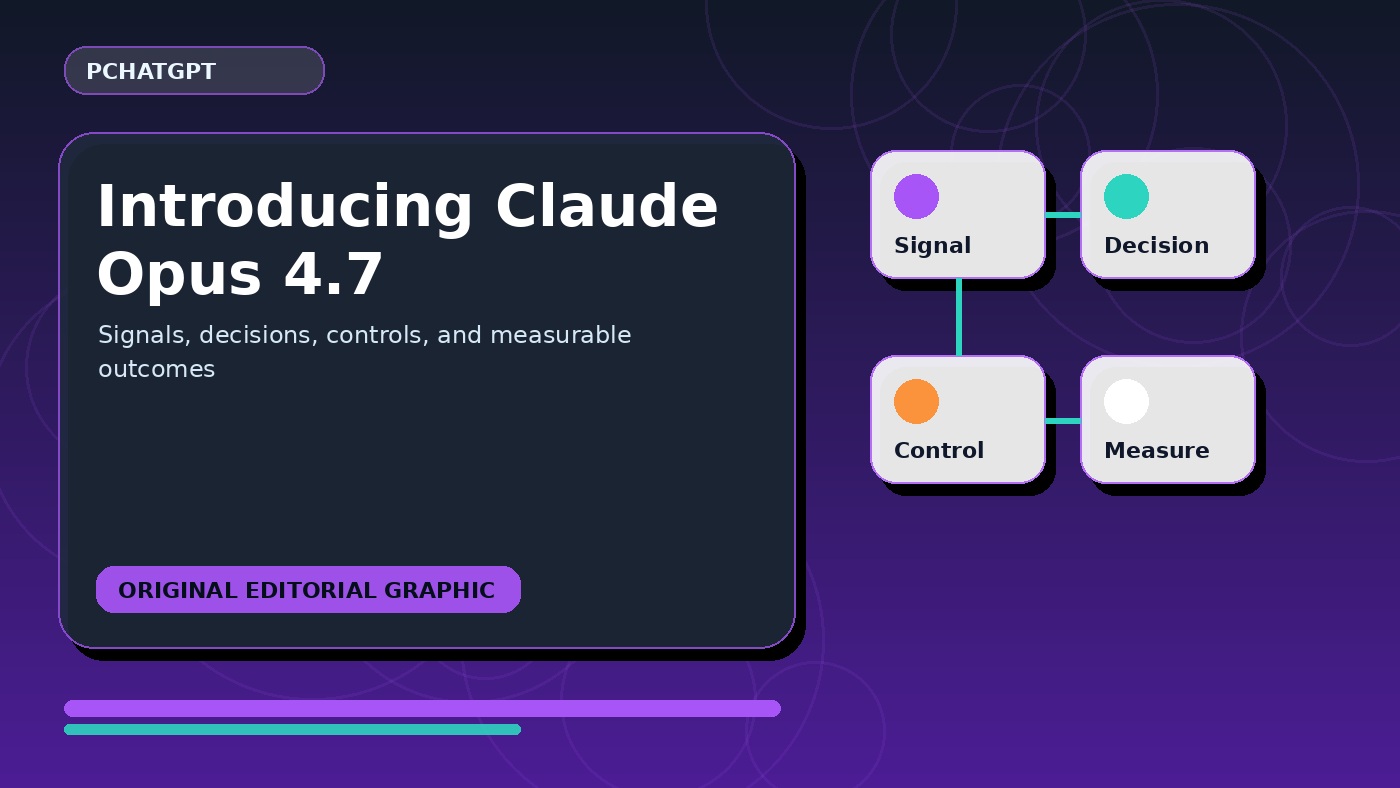
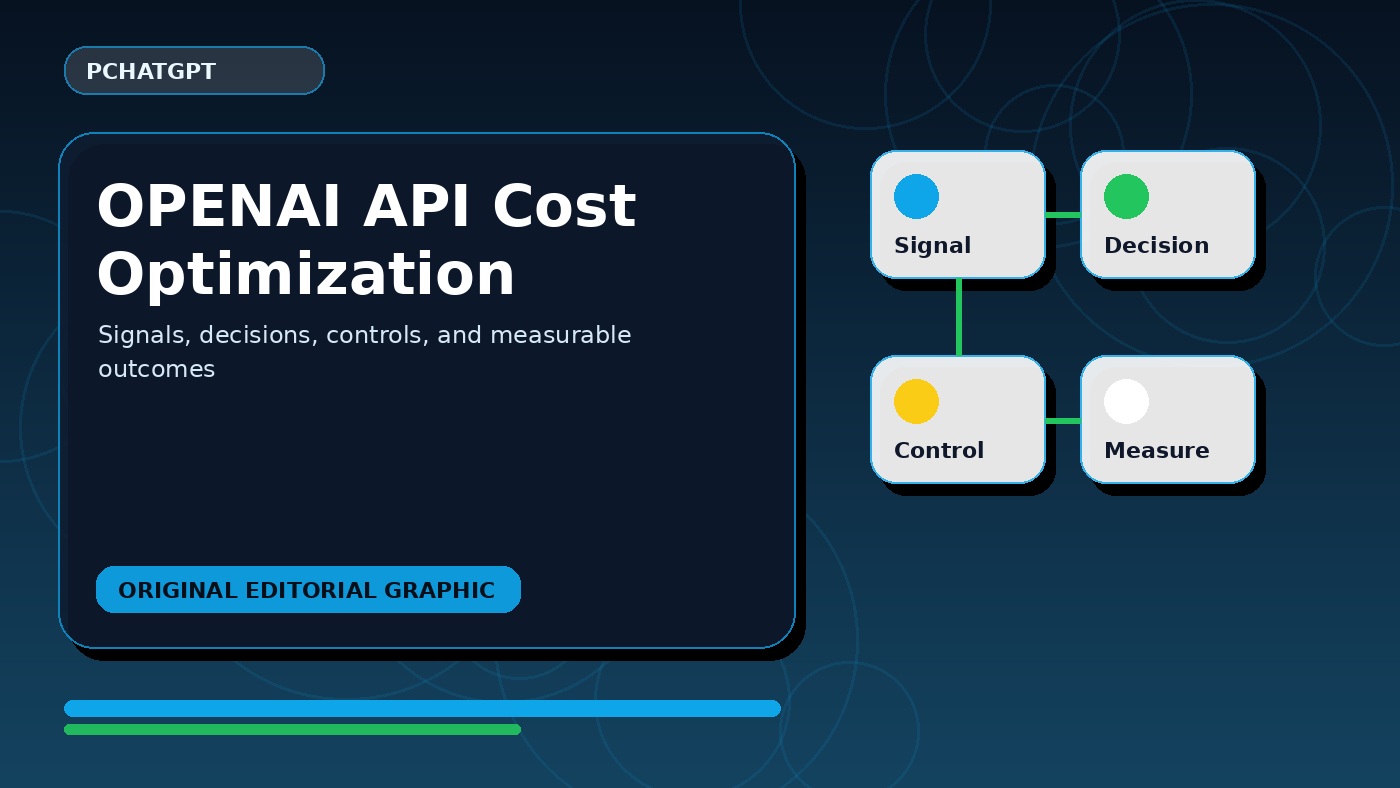
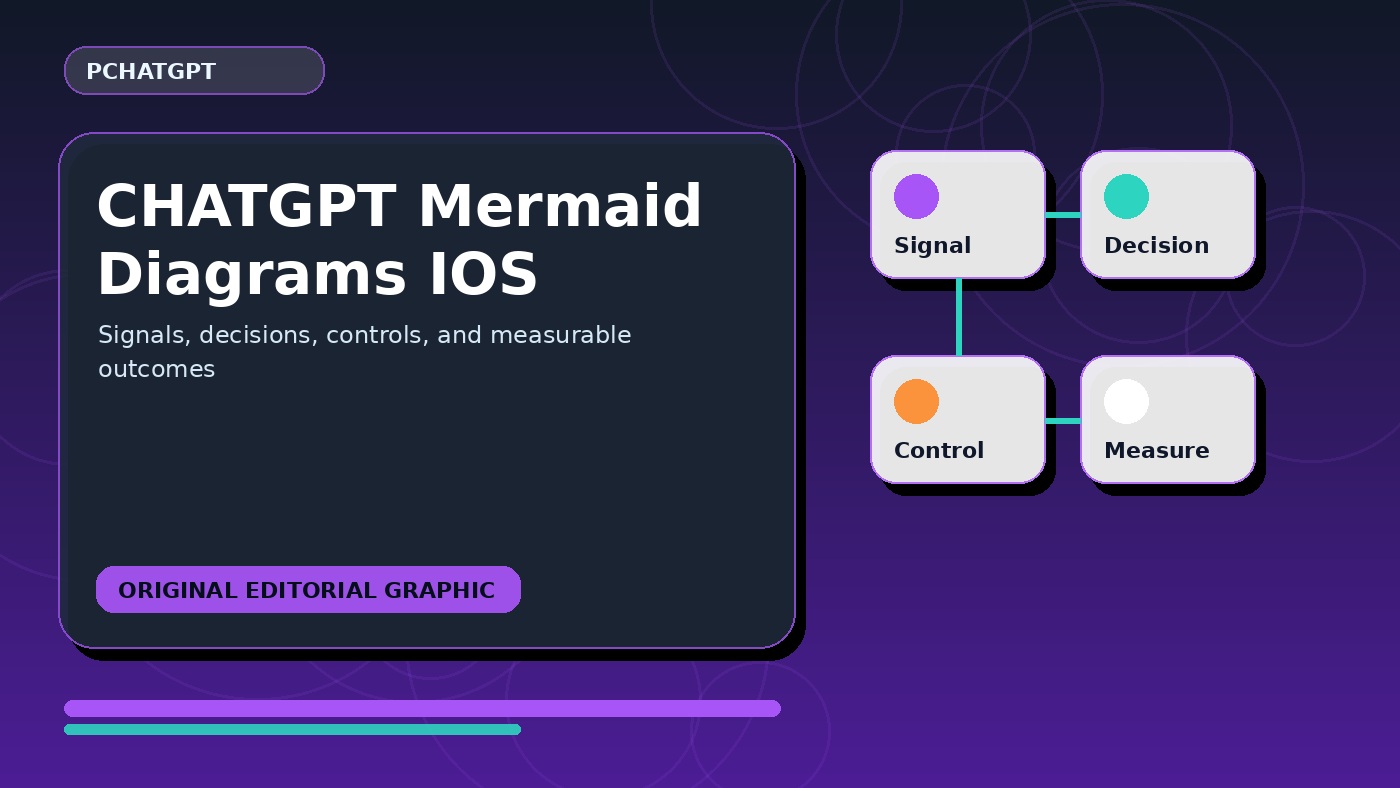
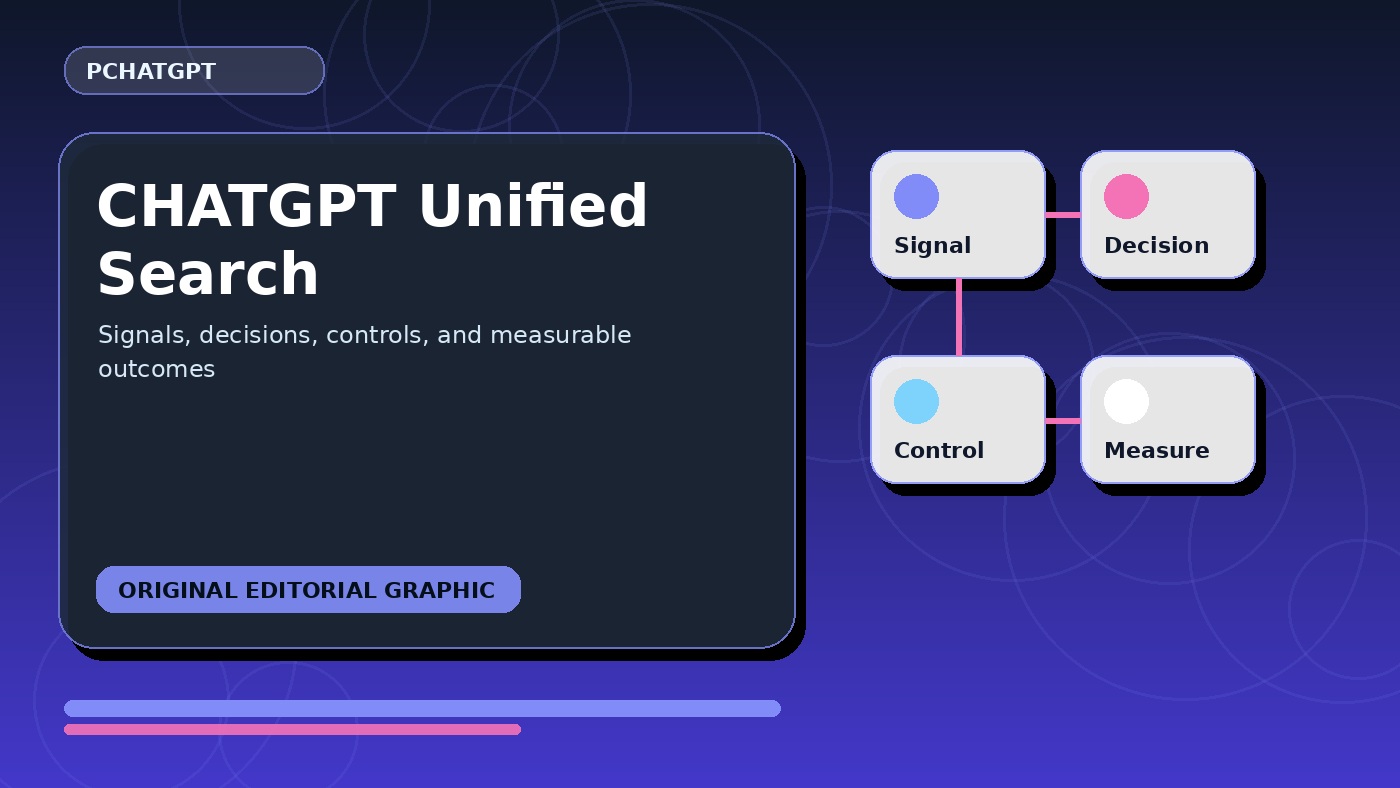
ChatGPT Mac app workflow diagram
A practical operating model turns ChatGPT Mac app from a broad trend into decisions, controls, and measurable outcomes.

Why CHATGPT Mac App Matters Now

The timing matters because organizations are under pressure to adopt new technology without creating unmanaged risk. In practice, ChatGPT Mac app should be evaluated through business impact, user behavior, data exposure, and long-term maintainability. A topic that looks simple from the outside can affect procurement, training, compliance, customer trust, and daily operations.

For a practical team, the goal is not perfection on day one. The goal is a controlled rollout that creates evidence. Leaders should ask for examples, before-and-after measurements, known limitations, and a clear owner for improvement. This makes ChatGPT Mac app easier to defend as a serious initiative rather than a temporary experiment.

The Main Risks and Opportunities

The opportunity is clear: better speed, clearer decisions, stronger controls, and less wasted manual work. The risk is also clear: teams may adopt a tool or process before they understand its limits. Common gaps include weak ownership, missing logs, unclear approval rules, poor documentation, and overconfidence in automation. Useful planning should compare benefits with realistic failure modes.

For a practical team, the goal is not perfection on day one. The goal is a controlled rollout that creates evidence. Leaders should ask for examples, before-and-after measurements, known limitations, and a clear owner for improvement. This makes ChatGPT Mac app easier to defend as a serious initiative rather than a temporary experiment.

How Teams Should Evaluate It

Start by mapping the workflow. Identify who uses it, what information enters the process, where decisions are made, and what systems are touched. Then review prompt libraries, saved instructions, file analysis, spreadsheet workflows, research summaries, image support, custom GPTs, automation links, and privacy settings. A simple map often reveals whether the topic is mainly a training issue, a tooling issue, a governance issue, or a deeper architecture problem.

For a practical team, the goal is not perfection on day one. The goal is a controlled rollout that creates evidence. Leaders should ask for examples, before-and-after measurements, known limitations, and a clear owner for improvement. This makes ChatGPT Mac app easier to defend as a serious initiative rather than a temporary experiment.

A Practical Implementation Framework

A safe implementation can follow this sequence: workflow selection, tool comparison, prompt templates, output review, privacy checks, team training, measurement, and monthly optimization. This keeps the project grounded. Instead of launching a broad change at once, teams can test the approach with a small group, measure results, fix weak points, and then expand with confidence.

For a practical team, the goal is not perfection on day one. The goal is a controlled rollout that creates evidence. Leaders should ask for examples, before-and-after measurements, known limitations, and a clear owner for improvement. This makes ChatGPT Mac app easier to defend as a serious initiative rather than a temporary experiment.

What Good Governance Looks Like

Good governance is not a long document that nobody reads. It is a set of clear rules that fit the way people actually work. The rules should define acceptable use, approval requirements, data boundaries, escalation paths, monitoring expectations, and review cycles. When governance is lightweight and visible, users are more likely to follow it.

For a practical team, the goal is not perfection on day one. The goal is a controlled rollout that creates evidence. Leaders should ask for examples, before-and-after measurements, known limitations, and a clear owner for improvement. This makes ChatGPT Mac app easier to defend as a serious initiative rather than a temporary experiment.

Metrics to Track

Teams should track adoption, time saved, errors reduced, incidents avoided, support tickets, user satisfaction, and policy exceptions. Metrics should be tied to decisions. If a feature saves time but increases review failures, the process needs adjustment. If a control reduces risk but blocks legitimate work, the rollout may need better training or more precise rules.

For a practical team, the goal is not perfection on day one. The goal is a controlled rollout that creates evidence. Leaders should ask for examples, before-and-after measurements, known limitations, and a clear owner for improvement. This makes ChatGPT Mac app easier to defend as a serious initiative rather than a temporary experiment.

Common Mistakes to Avoid

The first mistake is treating a trend as a complete solution. The second is ignoring users who must apply it under pressure. The third is failing to document recovery paths when something goes wrong. The fourth is measuring only activity, such as number of users or prompts, instead of outcomes such as quality, safety, or business value.

For a practical team, the goal is not perfection on day one. The goal is a controlled rollout that creates evidence. Leaders should ask for examples, before-and-after measurements, known limitations, and a clear owner for improvement. This makes ChatGPT Mac app easier to defend as a serious initiative rather than a temporary experiment.

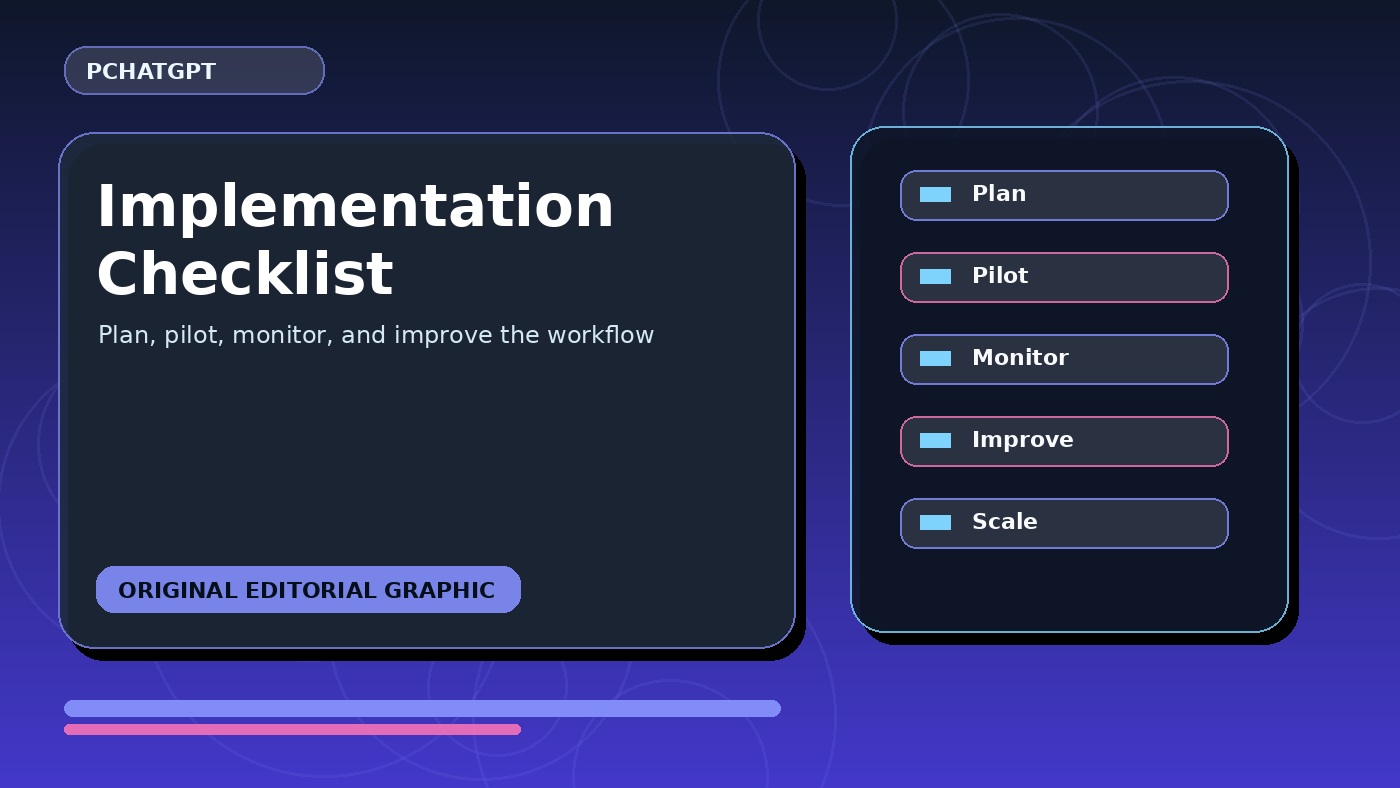
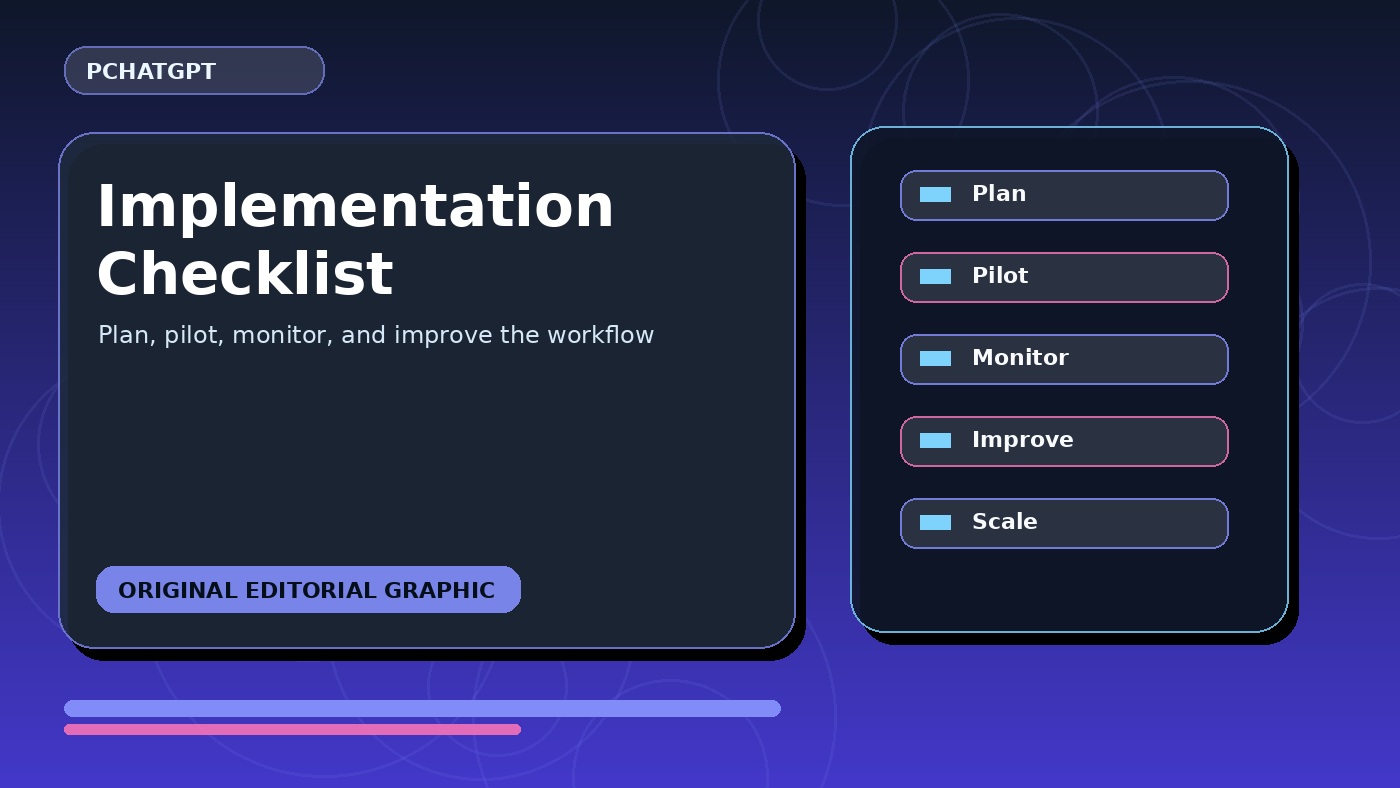
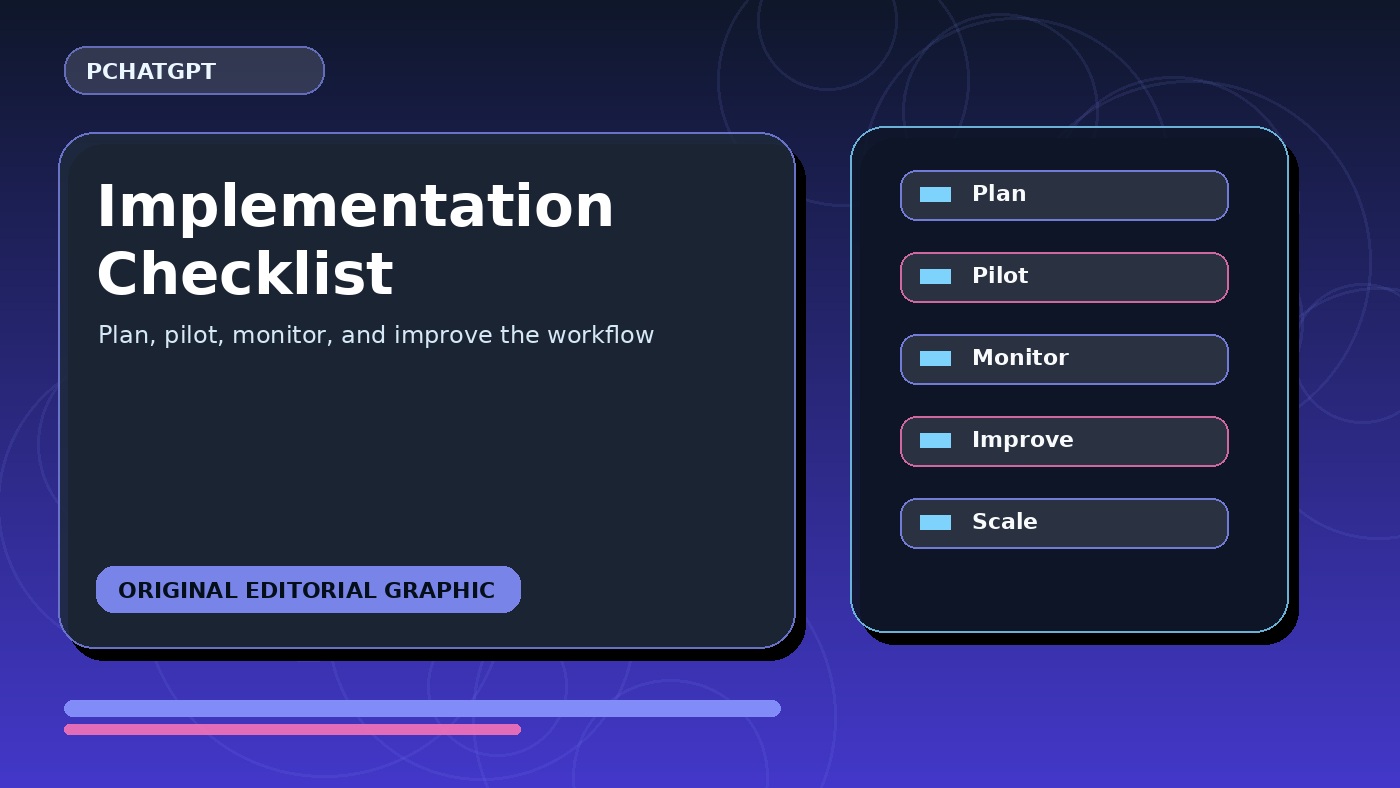
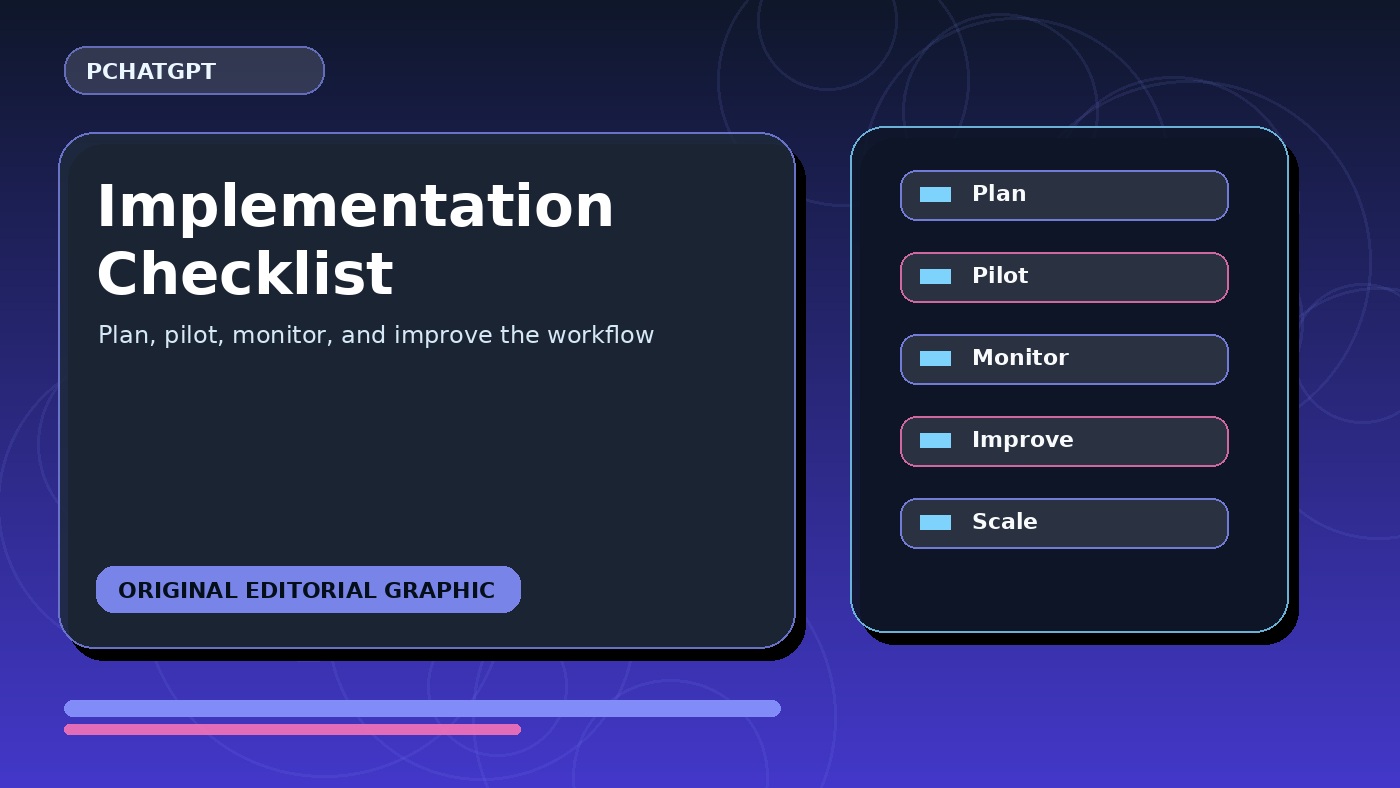
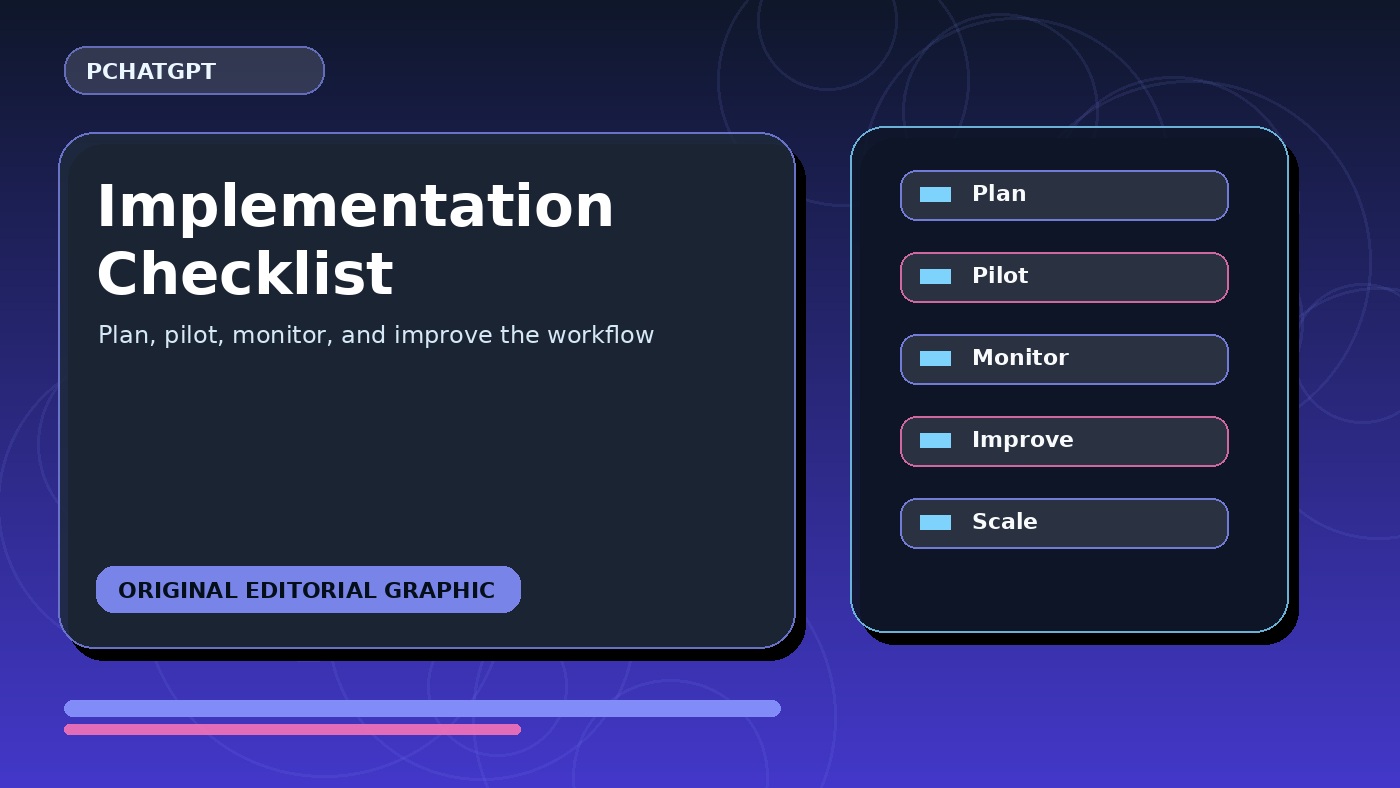
ChatGPT Mac app implementation checklist
Use a checklist to connect planning, rollout, monitoring, and continuous improvement.

Internal Links and Further Reading

Readers can connect this guide with related coverage in ChatGPT and AI Tools. These sections provide broader context for risk management, AI adoption, cloud operations, and productivity workflows.

FAQ

Is CHATGPT Mac App only for large organizations?

No. Smaller teams can benefit because they often need simple, repeatable processes even more than large enterprises. The key is to start with one high-value workflow and keep the rollout manageable.

What is the safest first step?

Start with an inventory and a pilot. Choose one workflow, define success criteria, identify risks, and test with a small group before expanding.

How often should the process be reviewed?

Review it after the first pilot, after the first month of broader use, and then quarterly. Fast-changing technology needs regular checks because tools, risks, and user habits change quickly.

What should leaders ask before approving adoption?

Ask what problem is being solved, what data is involved, who owns the process, how results will be checked, and what happens if the tool or workflow fails.

Conclusion

ChatGPT Mac app should be treated as a practical operating decision. The teams that get value will define the use case, control the risks, train users, measure outcomes, and improve the workflow over time. That approach turns a current topic into durable capability.

Step-by-Step Rollout Plan

First, document the current process and the pain point. Second, define the desired result in measurable language. Third, list systems, users, data, and permissions touched by the change. Fourth, create a pilot group with a clear start and end date. Fifth, collect examples of successful and failed outputs. Sixth, update guidance before expanding. This sequence prevents teams from scaling confusion.

Security and Privacy Review

Every modern technology workflow should include a privacy review. Teams should know whether sensitive data is entered, stored, exported, or shared with third parties. Access should be limited to the people who need it. Logs should be retained long enough to investigate problems. If the workflow involves customers, finance, health, legal, or internal strategy, approval rules should be stricter.

Training Users Without Slowing Them Down

Training works best when it is short, specific, and close to the work. Give users examples they can copy, screenshots of correct behavior, and a simple checklist for risky situations. Avoid abstract policy language. A user should know exactly what to do when they see an unexpected result, a suspicious request, or a task that requires human review.

How to Keep Improving

After launch, collect feedback from users and reviewers. Look for repeated errors, confusing prompts, unnecessary approvals, and missing integrations. Improvement should be scheduled, not accidental. A monthly review can remove friction, update templates, retire weak steps, and turn successful experiments into standard operating procedures.

Decision Checklist for Managers

Managers should confirm that the owner, scope, user group, data boundary, approval path, and success metric are all clear. They should also ask what will be stopped or simplified once the new workflow is adopted. Without that discipline, teams may add another layer of tools without removing old manual work, which weakens the business case and creates confusion.

Operational Playbook

A useful playbook should describe normal use, exception handling, review responsibilities, and rollback steps. It should name the person or team responsible for updates. It should also include examples of acceptable and unacceptable usage. This makes the workflow easier to audit, easier to train, and easier to improve when new risks or opportunities appear.

CHATGPT Memory Leak Consumed 163GB of RAM Before Crashing

0

For pChatGPT readers, ChatGPT memory leak consumed 163GB of RAM before crashing matters because AI tools are becoming everyday workspaces rather than occasional experiments. The opportunity is productivity, but the winning users are the ones who turn features into repeatable workflows.

The best way to approach this subject is to move beyond hype and ask operational questions. What problem does it solve? Which users are affected? What data or permissions are involved? What process changes are required? What evidence shows that the new approach is safer, faster, or more reliable than the current one?

ChatGPT memory leak consumed 163GB of RAM before crashing workflow diagram
A practical operating model turns ChatGPT memory leak consumed 163GB of RAM before crashing from a broad trend into decisions, controls, and measurable outcomes.

Why CHATGPT Memory Leak Consumed 163GB of RAM Before Crashing Matters Now

The timing matters because organizations are under pressure to adopt new technology without creating unmanaged risk. In practice, ChatGPT memory leak consumed 163GB of RAM before crashing should be evaluated through business impact, user behavior, data exposure, and long-term maintainability. A topic that looks simple from the outside can affect procurement, training, compliance, customer trust, and daily operations.

For a practical team, the goal is not perfection on day one. The goal is a controlled rollout that creates evidence. Leaders should ask for examples, before-and-after measurements, known limitations, and a clear owner for improvement. This makes ChatGPT memory leak consumed 163GB of RAM before crashing easier to defend as a serious initiative rather than a temporary experiment.

The Main Risks and Opportunities

The opportunity is clear: better speed, clearer decisions, stronger controls, and less wasted manual work. The risk is also clear: teams may adopt a tool or process before they understand its limits. Common gaps include weak ownership, missing logs, unclear approval rules, poor documentation, and overconfidence in automation. Useful planning should compare benefits with realistic failure modes.

For a practical team, the goal is not perfection on day one. The goal is a controlled rollout that creates evidence. Leaders should ask for examples, before-and-after measurements, known limitations, and a clear owner for improvement. This makes ChatGPT memory leak consumed 163GB of RAM before crashing easier to defend as a serious initiative rather than a temporary experiment.

How Teams Should Evaluate It

Start by mapping the workflow. Identify who uses it, what information enters the process, where decisions are made, and what systems are touched. Then review prompt libraries, saved instructions, file analysis, spreadsheet workflows, research summaries, image support, custom GPTs, automation links, and privacy settings. A simple map often reveals whether the topic is mainly a training issue, a tooling issue, a governance issue, or a deeper architecture problem.

For a practical team, the goal is not perfection on day one. The goal is a controlled rollout that creates evidence. Leaders should ask for examples, before-and-after measurements, known limitations, and a clear owner for improvement. This makes ChatGPT memory leak consumed 163GB of RAM before crashing easier to defend as a serious initiative rather than a temporary experiment.

A Practical Implementation Framework

A safe implementation can follow this sequence: workflow selection, tool comparison, prompt templates, output review, privacy checks, team training, measurement, and monthly optimization. This keeps the project grounded. Instead of launching a broad change at once, teams can test the approach with a small group, measure results, fix weak points, and then expand with confidence.

For a practical team, the goal is not perfection on day one. The goal is a controlled rollout that creates evidence. Leaders should ask for examples, before-and-after measurements, known limitations, and a clear owner for improvement. This makes ChatGPT memory leak consumed 163GB of RAM before crashing easier to defend as a serious initiative rather than a temporary experiment.

What Good Governance Looks Like

Good governance is not a long document that nobody reads. It is a set of clear rules that fit the way people actually work. The rules should define acceptable use, approval requirements, data boundaries, escalation paths, monitoring expectations, and review cycles. When governance is lightweight and visible, users are more likely to follow it.

For a practical team, the goal is not perfection on day one. The goal is a controlled rollout that creates evidence. Leaders should ask for examples, before-and-after measurements, known limitations, and a clear owner for improvement. This makes ChatGPT memory leak consumed 163GB of RAM before crashing easier to defend as a serious initiative rather than a temporary experiment.

Metrics to Track

Teams should track adoption, time saved, errors reduced, incidents avoided, support tickets, user satisfaction, and policy exceptions. Metrics should be tied to decisions. If a feature saves time but increases review failures, the process needs adjustment. If a control reduces risk but blocks legitimate work, the rollout may need better training or more precise rules.

For a practical team, the goal is not perfection on day one. The goal is a controlled rollout that creates evidence. Leaders should ask for examples, before-and-after measurements, known limitations, and a clear owner for improvement. This makes ChatGPT memory leak consumed 163GB of RAM before crashing easier to defend as a serious initiative rather than a temporary experiment.

Common Mistakes to Avoid

The first mistake is treating a trend as a complete solution. The second is ignoring users who must apply it under pressure. The third is failing to document recovery paths when something goes wrong. The fourth is measuring only activity, such as number of users or prompts, instead of outcomes such as quality, safety, or business value.

For a practical team, the goal is not perfection on day one. The goal is a controlled rollout that creates evidence. Leaders should ask for examples, before-and-after measurements, known limitations, and a clear owner for improvement. This makes ChatGPT memory leak consumed 163GB of RAM before crashing easier to defend as a serious initiative rather than a temporary experiment.

ChatGPT memory leak consumed 163GB of RAM before crashing implementation checklist
Use a checklist to connect planning, rollout, monitoring, and continuous improvement.

Internal Links and Further Reading

Readers can connect this guide with related coverage in ChatGPT and AI Tools. These sections provide broader context for risk management, AI adoption, cloud operations, and productivity workflows.

FAQ

Is CHATGPT Memory Leak Consumed 163GB of RAM Before Crashing only for large organizations?

No. Smaller teams can benefit because they often need simple, repeatable processes even more than large enterprises. The key is to start with one high-value workflow and keep the rollout manageable.

What is the safest first step?

Start with an inventory and a pilot. Choose one workflow, define success criteria, identify risks, and test with a small group before expanding.

How often should the process be reviewed?

Review it after the first pilot, after the first month of broader use, and then quarterly. Fast-changing technology needs regular checks because tools, risks, and user habits change quickly.

What should leaders ask before approving adoption?

Ask what problem is being solved, what data is involved, who owns the process, how results will be checked, and what happens if the tool or workflow fails.

Conclusion

ChatGPT memory leak consumed 163GB of RAM before crashing should be treated as a practical operating decision. The teams that get value will define the use case, control the risks, train users, measure outcomes, and improve the workflow over time. That approach turns a current topic into durable capability.

Step-by-Step Rollout Plan

First, document the current process and the pain point. Second, define the desired result in measurable language. Third, list systems, users, data, and permissions touched by the change. Fourth, create a pilot group with a clear start and end date. Fifth, collect examples of successful and failed outputs. Sixth, update guidance before expanding. This sequence prevents teams from scaling confusion.

Security and Privacy Review

Every modern technology workflow should include a privacy review. Teams should know whether sensitive data is entered, stored, exported, or shared with third parties. Access should be limited to the people who need it. Logs should be retained long enough to investigate problems. If the workflow involves customers, finance, health, legal, or internal strategy, approval rules should be stricter.

Training Users Without Slowing Them Down

Training works best when it is short, specific, and close to the work. Give users examples they can copy, screenshots of correct behavior, and a simple checklist for risky situations. Avoid abstract policy language. A user should know exactly what to do when they see an unexpected result, a suspicious request, or a task that requires human review.

How to Keep Improving

After launch, collect feedback from users and reviewers. Look for repeated errors, confusing prompts, unnecessary approvals, and missing integrations. Improvement should be scheduled, not accidental. A monthly review can remove friction, update templates, retire weak steps, and turn successful experiments into standard operating procedures.

Decision Checklist for Managers

Managers should confirm that the owner, scope, user group, data boundary, approval path, and success metric are all clear. They should also ask what will be stopped or simplified once the new workflow is adopted. Without that discipline, teams may add another layer of tools without removing old manual work, which weakens the business case and creates confusion.

Operational Playbook

A useful playbook should describe normal use, exception handling, review responsibilities, and rollback steps. It should name the person or team responsible for updates. It should also include examples of acceptable and unacceptable usage. This makes the workflow easier to audit, easier to train, and easier to improve when new risks or opportunities appear.

Practical Chatgpt Memory Leak Consumed Workflow for Readers

This update expands the article with a practical, reader-first workflow designed for people who use ChatGPT and AI tools in real projects rather than only reading a high-level overview. Before you copy a prompt or install another extension, define the task, the expected output, the audience, the data you can safely provide, and the human review step that will catch mistakes. That simple preparation makes chatgpt memory leak consumed 163gb of ram before crashing more useful because it turns AI from a random answer generator into a repeatable assistant that supports writing, research, planning, coding, support, and productivity work.

Start with a short project brief. Write one sentence for the goal, one sentence for the context, three bullet points for constraints, and one example of the format you want. Then ask ChatGPT to produce a first draft, critique the draft, and revise it against your constraints. This three-step loop is more reliable than a single long prompt because it separates generation from quality control. If the output will be published, sent to a customer, or used for business decisions, add a final manual verification step for facts, dates, names, prices, and claims.

Step-by-step implementation checklist

  • Clarify the use case: decide whether the AI should summarize, compare, draft, brainstorm, analyze, rewrite, classify, or create a plan.
  • Provide trusted context: paste only the minimum safe information needed. Remove private data, credentials, unpublished customer details, and confidential business records.
  • Ask for structure: request headings, tables, examples, assumptions, risks, and next actions so the answer is easier to audit.
  • Force verification: ask the model to mark uncertain claims, list missing information, and separate facts from recommendations.
  • Review like an editor: check accuracy, originality, tone, formatting, and whether the answer actually solves the reader’s problem.
  • Save reusable prompts: when a prompt works, store it with notes about the task, input format, output format, and review criteria.

Example prompt you can adapt

Use this structure as a safe starting point: “Act as an AI productivity editor. My goal is [describe goal]. The audience is [describe audience]. Use the following context: [paste non-sensitive context]. Create a practical answer with steps, examples, common mistakes, and a short FAQ. If any claim is uncertain, label it as uncertain and tell me how to verify it.” This prompt works well because it tells the model what role to play, what outcome matters, what context to use, and how to handle uncertainty.

Common mistakes to avoid

The most common mistake is treating every AI answer as final. ChatGPT can be persuasive even when it is incomplete, outdated, or too generic. Another mistake is using one prompt for every task. A prompt for a product comparison should not look like a prompt for a legal-style policy summary or a coding bug report. Finally, avoid publishing AI text without adding your own judgment, examples, screenshots, workflow notes, or local context. Readers and search engines both reward pages that demonstrate experience and usefulness.

Internal resources for deeper learning

FAQ: CHATGPT Memory Leak Consumed 163GB of RAM Before Crashing

Is this workflow suitable for beginners?

Yes. Beginners should start with a narrow task, provide clear context, and review the result carefully. The goal is not to automate judgment, but to make the first draft, comparison, or checklist faster and easier to improve.

Can I use the same process for business content?

You can, but business content needs stricter review. Verify facts, remove confidential information, adapt the tone to your brand, and make sure the final version includes examples or insights that come from real experience.

How do I know if the AI answer is good enough?

A good answer is specific, structured, accurate, and actionable. It should explain assumptions, mention risks, include concrete steps, and help the reader make a decision or complete a task without needing to search again immediately.

Should I trust sources generated by ChatGPT?

No source should be trusted blindly. If the answer includes citations, open the sources yourself, confirm they exist, check the publication date, and compare important claims with official documentation or reputable expert references.

5 Best AI Tools I Use Every Day Tried and Tested

0

For pChatGPT readers, 5 best ai tools i use every day tried and tested matters because AI tools are becoming everyday workspaces rather than occasional experiments. The opportunity is productivity, but the winning users are the ones who turn features into repeatable workflows.

The best way to approach this subject is to move beyond hype and ask operational questions. What problem does it solve? Which users are affected? What data or permissions are involved? What process changes are required? What evidence shows that the new approach is safer, faster, or more reliable than the current one?

5 best ai tools i use every day tried and tested workflow diagram
A practical operating model turns 5 best ai tools i use every day tried and tested from a broad trend into decisions, controls, and measurable outcomes.

Why 5 Best AI Tools I Use Every Day Tried and Tested Matters Now

The timing matters because organizations are under pressure to adopt new technology without creating unmanaged risk. In practice, 5 best ai tools i use every day tried and tested should be evaluated through business impact, user behavior, data exposure, and long-term maintainability. A topic that looks simple from the outside can affect procurement, training, compliance, customer trust, and daily operations.

For a practical team, the goal is not perfection on day one. The goal is a controlled rollout that creates evidence. Leaders should ask for examples, before-and-after measurements, known limitations, and a clear owner for improvement. This makes 5 best ai tools i use every day tried and tested easier to defend as a serious initiative rather than a temporary experiment.

The Main Risks and Opportunities

The opportunity is clear: better speed, clearer decisions, stronger controls, and less wasted manual work. The risk is also clear: teams may adopt a tool or process before they understand its limits. Common gaps include weak ownership, missing logs, unclear approval rules, poor documentation, and overconfidence in automation. Useful planning should compare benefits with realistic failure modes.

For a practical team, the goal is not perfection on day one. The goal is a controlled rollout that creates evidence. Leaders should ask for examples, before-and-after measurements, known limitations, and a clear owner for improvement. This makes 5 best ai tools i use every day tried and tested easier to defend as a serious initiative rather than a temporary experiment.

How Teams Should Evaluate It

Start by mapping the workflow. Identify who uses it, what information enters the process, where decisions are made, and what systems are touched. Then review prompt libraries, saved instructions, file analysis, spreadsheet workflows, research summaries, image support, custom GPTs, automation links, and privacy settings. A simple map often reveals whether the topic is mainly a training issue, a tooling issue, a governance issue, or a deeper architecture problem.

For a practical team, the goal is not perfection on day one. The goal is a controlled rollout that creates evidence. Leaders should ask for examples, before-and-after measurements, known limitations, and a clear owner for improvement. This makes 5 best ai tools i use every day tried and tested easier to defend as a serious initiative rather than a temporary experiment.

A Practical Implementation Framework

A safe implementation can follow this sequence: workflow selection, tool comparison, prompt templates, output review, privacy checks, team training, measurement, and monthly optimization. This keeps the project grounded. Instead of launching a broad change at once, teams can test the approach with a small group, measure results, fix weak points, and then expand with confidence.

For a practical team, the goal is not perfection on day one. The goal is a controlled rollout that creates evidence. Leaders should ask for examples, before-and-after measurements, known limitations, and a clear owner for improvement. This makes 5 best ai tools i use every day tried and tested easier to defend as a serious initiative rather than a temporary experiment.

What Good Governance Looks Like

Good governance is not a long document that nobody reads. It is a set of clear rules that fit the way people actually work. The rules should define acceptable use, approval requirements, data boundaries, escalation paths, monitoring expectations, and review cycles. When governance is lightweight and visible, users are more likely to follow it.

For a practical team, the goal is not perfection on day one. The goal is a controlled rollout that creates evidence. Leaders should ask for examples, before-and-after measurements, known limitations, and a clear owner for improvement. This makes 5 best ai tools i use every day tried and tested easier to defend as a serious initiative rather than a temporary experiment.

Metrics to Track

Teams should track adoption, time saved, errors reduced, incidents avoided, support tickets, user satisfaction, and policy exceptions. Metrics should be tied to decisions. If a feature saves time but increases review failures, the process needs adjustment. If a control reduces risk but blocks legitimate work, the rollout may need better training or more precise rules.

For a practical team, the goal is not perfection on day one. The goal is a controlled rollout that creates evidence. Leaders should ask for examples, before-and-after measurements, known limitations, and a clear owner for improvement. This makes 5 best ai tools i use every day tried and tested easier to defend as a serious initiative rather than a temporary experiment.

Common Mistakes to Avoid

The first mistake is treating a trend as a complete solution. The second is ignoring users who must apply it under pressure. The third is failing to document recovery paths when something goes wrong. The fourth is measuring only activity, such as number of users or prompts, instead of outcomes such as quality, safety, or business value.

For a practical team, the goal is not perfection on day one. The goal is a controlled rollout that creates evidence. Leaders should ask for examples, before-and-after measurements, known limitations, and a clear owner for improvement. This makes 5 best ai tools i use every day tried and tested easier to defend as a serious initiative rather than a temporary experiment.

5 best ai tools i use every day tried and tested implementation checklist
Use a checklist to connect planning, rollout, monitoring, and continuous improvement.

Internal Links and Further Reading

Readers can connect this guide with related coverage in ChatGPT and AI Tools. These sections provide broader context for risk management, AI adoption, cloud operations, and productivity workflows.

FAQ

Is 5 Best AI Tools I Use Every Day Tried and Tested only for large organizations?

No. Smaller teams can benefit because they often need simple, repeatable processes even more than large enterprises. The key is to start with one high-value workflow and keep the rollout manageable.

What is the safest first step?

Start with an inventory and a pilot. Choose one workflow, define success criteria, identify risks, and test with a small group before expanding.

How often should the process be reviewed?

Review it after the first pilot, after the first month of broader use, and then quarterly. Fast-changing technology needs regular checks because tools, risks, and user habits change quickly.

What should leaders ask before approving adoption?

Ask what problem is being solved, what data is involved, who owns the process, how results will be checked, and what happens if the tool or workflow fails.

Conclusion

5 best ai tools i use every day tried and tested should be treated as a practical operating decision. The teams that get value will define the use case, control the risks, train users, measure outcomes, and improve the workflow over time. That approach turns a current topic into durable capability.

Step-by-Step Rollout Plan

First, document the current process and the pain point. Second, define the desired result in measurable language. Third, list systems, users, data, and permissions touched by the change. Fourth, create a pilot group with a clear start and end date. Fifth, collect examples of successful and failed outputs. Sixth, update guidance before expanding. This sequence prevents teams from scaling confusion.

Security and Privacy Review

Every modern technology workflow should include a privacy review. Teams should know whether sensitive data is entered, stored, exported, or shared with third parties. Access should be limited to the people who need it. Logs should be retained long enough to investigate problems. If the workflow involves customers, finance, health, legal, or internal strategy, approval rules should be stricter.

Training Users Without Slowing Them Down

Training works best when it is short, specific, and close to the work. Give users examples they can copy, screenshots of correct behavior, and a simple checklist for risky situations. Avoid abstract policy language. A user should know exactly what to do when they see an unexpected result, a suspicious request, or a task that requires human review.

How to Keep Improving

After launch, collect feedback from users and reviewers. Look for repeated errors, confusing prompts, unnecessary approvals, and missing integrations. Improvement should be scheduled, not accidental. A monthly review can remove friction, update templates, retire weak steps, and turn successful experiments into standard operating procedures.

Decision Checklist for Managers

Managers should confirm that the owner, scope, user group, data boundary, approval path, and success metric are all clear. They should also ask what will be stopped or simplified once the new workflow is adopted. Without that discipline, teams may add another layer of tools without removing old manual work, which weakens the business case and creates confusion.

Practical Tools Use Every Day Workflow for Readers

This update expands the article with a practical, reader-first workflow designed for people who use ChatGPT and AI tools in real projects rather than only reading a high-level overview. Before you copy a prompt or install another extension, define the task, the expected output, the audience, the data you can safely provide, and the human review step that will catch mistakes. That simple preparation makes 5 best ai tools i use every day tried and tested more useful because it turns AI from a random answer generator into a repeatable assistant that supports writing, research, planning, coding, support, and productivity work.

Start with a short project brief. Write one sentence for the goal, one sentence for the context, three bullet points for constraints, and one example of the format you want. Then ask ChatGPT to produce a first draft, critique the draft, and revise it against your constraints. This three-step loop is more reliable than a single long prompt because it separates generation from quality control. If the output will be published, sent to a customer, or used for business decisions, add a final manual verification step for facts, dates, names, prices, and claims.

Step-by-step implementation checklist

  • Clarify the use case: decide whether the AI should summarize, compare, draft, brainstorm, analyze, rewrite, classify, or create a plan.
  • Provide trusted context: paste only the minimum safe information needed. Remove private data, credentials, unpublished customer details, and confidential business records.
  • Ask for structure: request headings, tables, examples, assumptions, risks, and next actions so the answer is easier to audit.
  • Force verification: ask the model to mark uncertain claims, list missing information, and separate facts from recommendations.
  • Review like an editor: check accuracy, originality, tone, formatting, and whether the answer actually solves the reader’s problem.
  • Save reusable prompts: when a prompt works, store it with notes about the task, input format, output format, and review criteria.

Example prompt you can adapt

Use this structure as a safe starting point: “Act as an AI productivity editor. My goal is [describe goal]. The audience is [describe audience]. Use the following context: [paste non-sensitive context]. Create a practical answer with steps, examples, common mistakes, and a short FAQ. If any claim is uncertain, label it as uncertain and tell me how to verify it.” This prompt works well because it tells the model what role to play, what outcome matters, what context to use, and how to handle uncertainty.

Common mistakes to avoid

The most common mistake is treating every AI answer as final. ChatGPT can be persuasive even when it is incomplete, outdated, or too generic. Another mistake is using one prompt for every task. A prompt for a product comparison should not look like a prompt for a legal-style policy summary or a coding bug report. Finally, avoid publishing AI text without adding your own judgment, examples, screenshots, workflow notes, or local context. Readers and search engines both reward pages that demonstrate experience and usefulness.

Internal resources for deeper learning

FAQ: 5 Best AI Tools I Use Every Day Tried and Tested

Is this workflow suitable for beginners?

Yes. Beginners should start with a narrow task, provide clear context, and review the result carefully. The goal is not to automate judgment, but to make the first draft, comparison, or checklist faster and easier to improve.

Can I use the same process for business content?

You can, but business content needs stricter review. Verify facts, remove confidential information, adapt the tone to your brand, and make sure the final version includes examples or insights that come from real experience.

How do I know if the AI answer is good enough?

A good answer is specific, structured, accurate, and actionable. It should explain assumptions, mention risks, include concrete steps, and help the reader make a decision or complete a task without needing to search again immediately.

Should I trust sources generated by ChatGPT?

No source should be trusted blindly. If the answer includes citations, open the sources yourself, confirm they exist, check the publication date, and compare important claims with official documentation or reputable expert references.

7 Best Mobile AI Apps for Iphone and Android: A Practical Guide for 2026

0

For pChatGPT readers, 7 best mobile ai apps for iphone and android matters because AI tools are becoming everyday workspaces rather than occasional experiments. The opportunity is productivity, but the winning users are the ones who turn features into repeatable workflows.

The best way to approach this subject is to move beyond hype and ask operational questions. What problem does it solve? Which users are affected? What data or permissions are involved? What process changes are required? What evidence shows that the new approach is safer, faster, or more reliable than the current one?

7 best mobile ai apps for iphone and android workflow diagram
A practical operating model turns 7 best mobile ai apps for iphone and android from a broad trend into decisions, controls, and measurable outcomes.

Why 7 Best Mobile AI Apps for Iphone and Android Matters Now

The timing matters because organizations are under pressure to adopt new technology without creating unmanaged risk. In practice, 7 best mobile ai apps for iphone and android should be evaluated through business impact, user behavior, data exposure, and long-term maintainability. A topic that looks simple from the outside can affect procurement, training, compliance, customer trust, and daily operations.

For a practical team, the goal is not perfection on day one. The goal is a controlled rollout that creates evidence. Leaders should ask for examples, before-and-after measurements, known limitations, and a clear owner for improvement. This makes 7 best mobile ai apps for iphone and android easier to defend as a serious initiative rather than a temporary experiment.

The Main Risks and Opportunities

The opportunity is clear: better speed, clearer decisions, stronger controls, and less wasted manual work. The risk is also clear: teams may adopt a tool or process before they understand its limits. Common gaps include weak ownership, missing logs, unclear approval rules, poor documentation, and overconfidence in automation. Useful planning should compare benefits with realistic failure modes.

For a practical team, the goal is not perfection on day one. The goal is a controlled rollout that creates evidence. Leaders should ask for examples, before-and-after measurements, known limitations, and a clear owner for improvement. This makes 7 best mobile ai apps for iphone and android easier to defend as a serious initiative rather than a temporary experiment.

How Teams Should Evaluate It

Start by mapping the workflow. Identify who uses it, what information enters the process, where decisions are made, and what systems are touched. Then review prompt libraries, saved instructions, file analysis, spreadsheet workflows, research summaries, image support, custom GPTs, automation links, and privacy settings. A simple map often reveals whether the topic is mainly a training issue, a tooling issue, a governance issue, or a deeper architecture problem.

For a practical team, the goal is not perfection on day one. The goal is a controlled rollout that creates evidence. Leaders should ask for examples, before-and-after measurements, known limitations, and a clear owner for improvement. This makes 7 best mobile ai apps for iphone and android easier to defend as a serious initiative rather than a temporary experiment.

A Practical Implementation Framework

A safe implementation can follow this sequence: workflow selection, tool comparison, prompt templates, output review, privacy checks, team training, measurement, and monthly optimization. This keeps the project grounded. Instead of launching a broad change at once, teams can test the approach with a small group, measure results, fix weak points, and then expand with confidence.

For a practical team, the goal is not perfection on day one. The goal is a controlled rollout that creates evidence. Leaders should ask for examples, before-and-after measurements, known limitations, and a clear owner for improvement. This makes 7 best mobile ai apps for iphone and android easier to defend as a serious initiative rather than a temporary experiment.

What Good Governance Looks Like

Good governance is not a long document that nobody reads. It is a set of clear rules that fit the way people actually work. The rules should define acceptable use, approval requirements, data boundaries, escalation paths, monitoring expectations, and review cycles. When governance is lightweight and visible, users are more likely to follow it.

For a practical team, the goal is not perfection on day one. The goal is a controlled rollout that creates evidence. Leaders should ask for examples, before-and-after measurements, known limitations, and a clear owner for improvement. This makes 7 best mobile ai apps for iphone and android easier to defend as a serious initiative rather than a temporary experiment.

Metrics to Track

Teams should track adoption, time saved, errors reduced, incidents avoided, support tickets, user satisfaction, and policy exceptions. Metrics should be tied to decisions. If a feature saves time but increases review failures, the process needs adjustment. If a control reduces risk but blocks legitimate work, the rollout may need better training or more precise rules.

For a practical team, the goal is not perfection on day one. The goal is a controlled rollout that creates evidence. Leaders should ask for examples, before-and-after measurements, known limitations, and a clear owner for improvement. This makes 7 best mobile ai apps for iphone and android easier to defend as a serious initiative rather than a temporary experiment.

Common Mistakes to Avoid

The first mistake is treating a trend as a complete solution. The second is ignoring users who must apply it under pressure. The third is failing to document recovery paths when something goes wrong. The fourth is measuring only activity, such as number of users or prompts, instead of outcomes such as quality, safety, or business value.

For a practical team, the goal is not perfection on day one. The goal is a controlled rollout that creates evidence. Leaders should ask for examples, before-and-after measurements, known limitations, and a clear owner for improvement. This makes 7 best mobile ai apps for iphone and android easier to defend as a serious initiative rather than a temporary experiment.

7 best mobile ai apps for iphone and android implementation checklist
Use a checklist to connect planning, rollout, monitoring, and continuous improvement.

Internal Links and Further Reading

Readers can connect this guide with related coverage in ChatGPT and AI Tools. These sections provide broader context for risk management, AI adoption, cloud operations, and productivity workflows.

FAQ

Is 7 Best Mobile AI Apps for Iphone and Android only for large organizations?

No. Smaller teams can benefit because they often need simple, repeatable processes even more than large enterprises. The key is to start with one high-value workflow and keep the rollout manageable.

What is the safest first step?

Start with an inventory and a pilot. Choose one workflow, define success criteria, identify risks, and test with a small group before expanding.

How often should the process be reviewed?

Review it after the first pilot, after the first month of broader use, and then quarterly. Fast-changing technology needs regular checks because tools, risks, and user habits change quickly.

What should leaders ask before approving adoption?

Ask what problem is being solved, what data is involved, who owns the process, how results will be checked, and what happens if the tool or workflow fails.

Conclusion

7 best mobile ai apps for iphone and android should be treated as a practical operating decision. The teams that get value will define the use case, control the risks, train users, measure outcomes, and improve the workflow over time. That approach turns a current topic into durable capability.

Step-by-Step Rollout Plan

First, document the current process and the pain point. Second, define the desired result in measurable language. Third, list systems, users, data, and permissions touched by the change. Fourth, create a pilot group with a clear start and end date. Fifth, collect examples of successful and failed outputs. Sixth, update guidance before expanding. This sequence prevents teams from scaling confusion.

Security and Privacy Review

Every modern technology workflow should include a privacy review. Teams should know whether sensitive data is entered, stored, exported, or shared with third parties. Access should be limited to the people who need it. Logs should be retained long enough to investigate problems. If the workflow involves customers, finance, health, legal, or internal strategy, approval rules should be stricter.

Training Users Without Slowing Them Down

Training works best when it is short, specific, and close to the work. Give users examples they can copy, screenshots of correct behavior, and a simple checklist for risky situations. Avoid abstract policy language. A user should know exactly what to do when they see an unexpected result, a suspicious request, or a task that requires human review.

How to Keep Improving

After launch, collect feedback from users and reviewers. Look for repeated errors, confusing prompts, unnecessary approvals, and missing integrations. Improvement should be scheduled, not accidental. A monthly review can remove friction, update templates, retire weak steps, and turn successful experiments into standard operating procedures.

Decision Checklist for Managers

Managers should confirm that the owner, scope, user group, data boundary, approval path, and success metric are all clear. They should also ask what will be stopped or simplified once the new workflow is adopted. Without that discipline, teams may add another layer of tools without removing old manual work, which weakens the business case and creates confusion.

Operational Playbook

A useful playbook should describe normal use, exception handling, review responsibilities, and rollback steps. It should name the person or team responsible for updates. It should also include examples of acceptable and unacceptable usage. This makes the workflow easier to audit, easier to train, and easier to improve when new risks or opportunities appear.

Reader value checklist for applying this guide

Use this guide as a starting point for practical experimentation. The safest approach is to test one recommendation, compare the result with your current process, and keep a written note of what improved and what still required manual correction.

  • Start with a low-risk task and clear success criteria.
  • Verify important claims against official documentation or your own account.
  • Adapt the steps to your role, language, privacy needs, and audience.
  • Revisit the workflow when ChatGPT or the tool interface changes.

Practical example

For example, if a guide recommends a new AI tool, test it on one realistic task, record the time saved, identify the parts that still needed editing, and decide whether it deserves a permanent place in your workflow.

FAQ: How should readers use this information?

Use the advice for education and productivity planning, not as a substitute for professional judgment. For more background about our editorial standards, read About PChatGPT, check the FAQ, or browse recent AI tool guides from the homepage.

How to Use CHATGPT to Write Without Cheating or Getting Flagged

0

For pChatGPT readers, how to use chatgpt to write without cheating or getting flagged matters because AI tools are becoming everyday workspaces rather than occasional experiments. The opportunity is productivity, but the winning users are the ones who turn features into repeatable workflows.

The best way to approach this subject is to move beyond hype and ask operational questions. What problem does it solve? Which users are affected? What data or permissions are involved? What process changes are required? What evidence shows that the new approach is safer, faster, or more reliable than the current one?

how to use chatgpt to write without cheating or getting flagged workflow diagram
A practical operating model turns how to use chatgpt to write without cheating or getting flagged from a broad trend into decisions, controls, and measurable outcomes.

Why How to Use CHATGPT to Write Without Cheating or Getting Flagged Matters Now

The timing matters because organizations are under pressure to adopt new technology without creating unmanaged risk. In practice, how to use chatgpt to write without cheating or getting flagged should be evaluated through business impact, user behavior, data exposure, and long-term maintainability. A topic that looks simple from the outside can affect procurement, training, compliance, customer trust, and daily operations.

For a practical team, the goal is not perfection on day one. The goal is a controlled rollout that creates evidence. Leaders should ask for examples, before-and-after measurements, known limitations, and a clear owner for improvement. This makes how to use chatgpt to write without cheating or getting flagged easier to defend as a serious initiative rather than a temporary experiment.

The Main Risks and Opportunities

The opportunity is clear: better speed, clearer decisions, stronger controls, and less wasted manual work. The risk is also clear: teams may adopt a tool or process before they understand its limits. Common gaps include weak ownership, missing logs, unclear approval rules, poor documentation, and overconfidence in automation. Useful planning should compare benefits with realistic failure modes.

For a practical team, the goal is not perfection on day one. The goal is a controlled rollout that creates evidence. Leaders should ask for examples, before-and-after measurements, known limitations, and a clear owner for improvement. This makes how to use chatgpt to write without cheating or getting flagged easier to defend as a serious initiative rather than a temporary experiment.

How Teams Should Evaluate It

Start by mapping the workflow. Identify who uses it, what information enters the process, where decisions are made, and what systems are touched. Then review prompt libraries, saved instructions, file analysis, spreadsheet workflows, research summaries, image support, custom GPTs, automation links, and privacy settings. A simple map often reveals whether the topic is mainly a training issue, a tooling issue, a governance issue, or a deeper architecture problem.

For a practical team, the goal is not perfection on day one. The goal is a controlled rollout that creates evidence. Leaders should ask for examples, before-and-after measurements, known limitations, and a clear owner for improvement. This makes how to use chatgpt to write without cheating or getting flagged easier to defend as a serious initiative rather than a temporary experiment.

A Practical Implementation Framework

A safe implementation can follow this sequence: workflow selection, tool comparison, prompt templates, output review, privacy checks, team training, measurement, and monthly optimization. This keeps the project grounded. Instead of launching a broad change at once, teams can test the approach with a small group, measure results, fix weak points, and then expand with confidence.

For a practical team, the goal is not perfection on day one. The goal is a controlled rollout that creates evidence. Leaders should ask for examples, before-and-after measurements, known limitations, and a clear owner for improvement. This makes how to use chatgpt to write without cheating or getting flagged easier to defend as a serious initiative rather than a temporary experiment.

What Good Governance Looks Like

Good governance is not a long document that nobody reads. It is a set of clear rules that fit the way people actually work. The rules should define acceptable use, approval requirements, data boundaries, escalation paths, monitoring expectations, and review cycles. When governance is lightweight and visible, users are more likely to follow it.

For a practical team, the goal is not perfection on day one. The goal is a controlled rollout that creates evidence. Leaders should ask for examples, before-and-after measurements, known limitations, and a clear owner for improvement. This makes how to use chatgpt to write without cheating or getting flagged easier to defend as a serious initiative rather than a temporary experiment.

Metrics to Track

Teams should track adoption, time saved, errors reduced, incidents avoided, support tickets, user satisfaction, and policy exceptions. Metrics should be tied to decisions. If a feature saves time but increases review failures, the process needs adjustment. If a control reduces risk but blocks legitimate work, the rollout may need better training or more precise rules.

For a practical team, the goal is not perfection on day one. The goal is a controlled rollout that creates evidence. Leaders should ask for examples, before-and-after measurements, known limitations, and a clear owner for improvement. This makes how to use chatgpt to write without cheating or getting flagged easier to defend as a serious initiative rather than a temporary experiment.

Common Mistakes to Avoid

The first mistake is treating a trend as a complete solution. The second is ignoring users who must apply it under pressure. The third is failing to document recovery paths when something goes wrong. The fourth is measuring only activity, such as number of users or prompts, instead of outcomes such as quality, safety, or business value.

For a practical team, the goal is not perfection on day one. The goal is a controlled rollout that creates evidence. Leaders should ask for examples, before-and-after measurements, known limitations, and a clear owner for improvement. This makes how to use chatgpt to write without cheating or getting flagged easier to defend as a serious initiative rather than a temporary experiment.

how to use chatgpt to write without cheating or getting flagged implementation checklist
Use a checklist to connect planning, rollout, monitoring, and continuous improvement.

Internal Links and Further Reading

Readers can connect this guide with related coverage in ChatGPT and AI Tools. These sections provide broader context for risk management, AI adoption, cloud operations, and productivity workflows.

FAQ

Is How to Use CHATGPT to Write Without Cheating or Getting Flagged only for large organizations?

No. Smaller teams can benefit because they often need simple, repeatable processes even more than large enterprises. The key is to start with one high-value workflow and keep the rollout manageable.

What is the safest first step?

Start with an inventory and a pilot. Choose one workflow, define success criteria, identify risks, and test with a small group before expanding.

How often should the process be reviewed?

Review it after the first pilot, after the first month of broader use, and then quarterly. Fast-changing technology needs regular checks because tools, risks, and user habits change quickly.

What should leaders ask before approving adoption?

Ask what problem is being solved, what data is involved, who owns the process, how results will be checked, and what happens if the tool or workflow fails.

Conclusion

how to use chatgpt to write without cheating or getting flagged should be treated as a practical operating decision. The teams that get value will define the use case, control the risks, train users, measure outcomes, and improve the workflow over time. That approach turns a current topic into durable capability.

Step-by-Step Rollout Plan

First, document the current process and the pain point. Second, define the desired result in measurable language. Third, list systems, users, data, and permissions touched by the change. Fourth, create a pilot group with a clear start and end date. Fifth, collect examples of successful and failed outputs. Sixth, update guidance before expanding. This sequence prevents teams from scaling confusion.

Security and Privacy Review

Every modern technology workflow should include a privacy review. Teams should know whether sensitive data is entered, stored, exported, or shared with third parties. Access should be limited to the people who need it. Logs should be retained long enough to investigate problems. If the workflow involves customers, finance, health, legal, or internal strategy, approval rules should be stricter.

Training Users Without Slowing Them Down

Training works best when it is short, specific, and close to the work. Give users examples they can copy, screenshots of correct behavior, and a simple checklist for risky situations. Avoid abstract policy language. A user should know exactly what to do when they see an unexpected result, a suspicious request, or a task that requires human review.

How to Keep Improving

After launch, collect feedback from users and reviewers. Look for repeated errors, confusing prompts, unnecessary approvals, and missing integrations. Improvement should be scheduled, not accidental. A monthly review can remove friction, update templates, retire weak steps, and turn successful experiments into standard operating procedures.

Decision Checklist for Managers

Managers should confirm that the owner, scope, user group, data boundary, approval path, and success metric are all clear. They should also ask what will be stopped or simplified once the new workflow is adopted. Without that discipline, teams may add another layer of tools without removing old manual work, which weakens the business case and creates confusion.

Practical Use Chatgpt Write Without Workflow for Readers

This update expands the article with a practical, reader-first workflow designed for people who use ChatGPT and AI tools in real projects rather than only reading a high-level overview. Before you copy a prompt or install another extension, define the task, the expected output, the audience, the data you can safely provide, and the human review step that will catch mistakes. That simple preparation makes how to use chatgpt to write without cheating or getting flagged more useful because it turns AI from a random answer generator into a repeatable assistant that supports writing, research, planning, coding, support, and productivity work.

Start with a short project brief. Write one sentence for the goal, one sentence for the context, three bullet points for constraints, and one example of the format you want. Then ask ChatGPT to produce a first draft, critique the draft, and revise it against your constraints. This three-step loop is more reliable than a single long prompt because it separates generation from quality control. If the output will be published, sent to a customer, or used for business decisions, add a final manual verification step for facts, dates, names, prices, and claims.

Step-by-step implementation checklist

  • Clarify the use case: decide whether the AI should summarize, compare, draft, brainstorm, analyze, rewrite, classify, or create a plan.
  • Provide trusted context: paste only the minimum safe information needed. Remove private data, credentials, unpublished customer details, and confidential business records.
  • Ask for structure: request headings, tables, examples, assumptions, risks, and next actions so the answer is easier to audit.
  • Force verification: ask the model to mark uncertain claims, list missing information, and separate facts from recommendations.
  • Review like an editor: check accuracy, originality, tone, formatting, and whether the answer actually solves the reader’s problem.
  • Save reusable prompts: when a prompt works, store it with notes about the task, input format, output format, and review criteria.

Example prompt you can adapt

Use this structure as a safe starting point: “Act as an AI productivity editor. My goal is [describe goal]. The audience is [describe audience]. Use the following context: [paste non-sensitive context]. Create a practical answer with steps, examples, common mistakes, and a short FAQ. If any claim is uncertain, label it as uncertain and tell me how to verify it.” This prompt works well because it tells the model what role to play, what outcome matters, what context to use, and how to handle uncertainty.

Common mistakes to avoid

The most common mistake is treating every AI answer as final. ChatGPT can be persuasive even when it is incomplete, outdated, or too generic. Another mistake is using one prompt for every task. A prompt for a product comparison should not look like a prompt for a legal-style policy summary or a coding bug report. Finally, avoid publishing AI text without adding your own judgment, examples, screenshots, workflow notes, or local context. Readers and search engines both reward pages that demonstrate experience and usefulness.

Internal resources for deeper learning

FAQ: How to Use CHATGPT to Write Without Cheating or Getting Flagged

Is this workflow suitable for beginners?

Yes. Beginners should start with a narrow task, provide clear context, and review the result carefully. The goal is not to automate judgment, but to make the first draft, comparison, or checklist faster and easier to improve.

Can I use the same process for business content?

You can, but business content needs stricter review. Verify facts, remove confidential information, adapt the tone to your brand, and make sure the final version includes examples or insights that come from real experience.

How do I know if the AI answer is good enough?

A good answer is specific, structured, accurate, and actionable. It should explain assumptions, mention risks, include concrete steps, and help the reader make a decision or complete a task without needing to search again immediately.

Should I trust sources generated by ChatGPT?

No source should be trusted blindly. If the answer includes citations, open the sources yourself, confirm they exist, check the publication date, and compare important claims with official documentation or reputable expert references.

CHATGPT Lockdown Mode Guide 2026: Privacy Settings, Data Controls, and Safer Workflows

0

For pChatGPT readers, ChatGPT Lockdown Mode 2026 matters because AI tools are becoming everyday workspaces rather than occasional experiments. The opportunity is productivity, but the winning users are the ones who turn features into repeatable workflows.

The best way to approach this subject is to move beyond hype and ask operational questions. What problem does it solve? Which users are affected? What data or permissions are involved? What process changes are required? What evidence shows that the new approach is safer, faster, or more reliable than the current one?

ChatGPT Lockdown Mode 2026 workflow diagram
A practical operating model turns ChatGPT Lockdown Mode 2026 from a broad trend into decisions, controls, and measurable outcomes.

Why CHATGPT Lockdown Mode 2026 Matters Now

The timing matters because organizations are under pressure to adopt new technology without creating unmanaged risk. In practice, ChatGPT Lockdown Mode 2026 should be evaluated through business impact, user behavior, data exposure, and long-term maintainability. A topic that looks simple from the outside can affect procurement, training, compliance, customer trust, and daily operations.

For a practical team, the goal is not perfection on day one. The goal is a controlled rollout that creates evidence. Leaders should ask for examples, before-and-after measurements, known limitations, and a clear owner for improvement. This makes ChatGPT Lockdown Mode 2026 easier to defend as a serious initiative rather than a temporary experiment.

The Main Risks and Opportunities

The opportunity is clear: better speed, clearer decisions, stronger controls, and less wasted manual work. The risk is also clear: teams may adopt a tool or process before they understand its limits. Common gaps include weak ownership, missing logs, unclear approval rules, poor documentation, and overconfidence in automation. Useful planning should compare benefits with realistic failure modes.

For a practical team, the goal is not perfection on day one. The goal is a controlled rollout that creates evidence. Leaders should ask for examples, before-and-after measurements, known limitations, and a clear owner for improvement. This makes ChatGPT Lockdown Mode 2026 easier to defend as a serious initiative rather than a temporary experiment.

How Teams Should Evaluate It

Start by mapping the workflow. Identify who uses it, what information enters the process, where decisions are made, and what systems are touched. Then review prompt libraries, saved instructions, file analysis, spreadsheet workflows, research summaries, image support, custom GPTs, automation links, and privacy settings. A simple map often reveals whether the topic is mainly a training issue, a tooling issue, a governance issue, or a deeper architecture problem.

For a practical team, the goal is not perfection on day one. The goal is a controlled rollout that creates evidence. Leaders should ask for examples, before-and-after measurements, known limitations, and a clear owner for improvement. This makes ChatGPT Lockdown Mode 2026 easier to defend as a serious initiative rather than a temporary experiment.

A Practical Implementation Framework

A safe implementation can follow this sequence: workflow selection, tool comparison, prompt templates, output review, privacy checks, team training, measurement, and monthly optimization. This keeps the project grounded. Instead of launching a broad change at once, teams can test the approach with a small group, measure results, fix weak points, and then expand with confidence.

For a practical team, the goal is not perfection on day one. The goal is a controlled rollout that creates evidence. Leaders should ask for examples, before-and-after measurements, known limitations, and a clear owner for improvement. This makes ChatGPT Lockdown Mode 2026 easier to defend as a serious initiative rather than a temporary experiment.

What Good Governance Looks Like

Good governance is not a long document that nobody reads. It is a set of clear rules that fit the way people actually work. The rules should define acceptable use, approval requirements, data boundaries, escalation paths, monitoring expectations, and review cycles. When governance is lightweight and visible, users are more likely to follow it.

For a practical team, the goal is not perfection on day one. The goal is a controlled rollout that creates evidence. Leaders should ask for examples, before-and-after measurements, known limitations, and a clear owner for improvement. This makes ChatGPT Lockdown Mode 2026 easier to defend as a serious initiative rather than a temporary experiment.

Metrics to Track

Teams should track adoption, time saved, errors reduced, incidents avoided, support tickets, user satisfaction, and policy exceptions. Metrics should be tied to decisions. If a feature saves time but increases review failures, the process needs adjustment. If a control reduces risk but blocks legitimate work, the rollout may need better training or more precise rules.

For a practical team, the goal is not perfection on day one. The goal is a controlled rollout that creates evidence. Leaders should ask for examples, before-and-after measurements, known limitations, and a clear owner for improvement. This makes ChatGPT Lockdown Mode 2026 easier to defend as a serious initiative rather than a temporary experiment.

Common Mistakes to Avoid

The first mistake is treating a trend as a complete solution. The second is ignoring users who must apply it under pressure. The third is failing to document recovery paths when something goes wrong. The fourth is measuring only activity, such as number of users or prompts, instead of outcomes such as quality, safety, or business value.

For a practical team, the goal is not perfection on day one. The goal is a controlled rollout that creates evidence. Leaders should ask for examples, before-and-after measurements, known limitations, and a clear owner for improvement. This makes ChatGPT Lockdown Mode 2026 easier to defend as a serious initiative rather than a temporary experiment.

ChatGPT Lockdown Mode 2026 implementation checklist
Use a checklist to connect planning, rollout, monitoring, and continuous improvement.

Internal Links and Further Reading

Readers can connect this guide with related coverage in ChatGPT and AI Tools. These sections provide broader context for risk management, AI adoption, cloud operations, and productivity workflows.

FAQ

Is CHATGPT Lockdown Mode 2026 only for large organizations?

No. Smaller teams can benefit because they often need simple, repeatable processes even more than large enterprises. The key is to start with one high-value workflow and keep the rollout manageable.

What is the safest first step?

Start with an inventory and a pilot. Choose one workflow, define success criteria, identify risks, and test with a small group before expanding.

How often should the process be reviewed?

Review it after the first pilot, after the first month of broader use, and then quarterly. Fast-changing technology needs regular checks because tools, risks, and user habits change quickly.

What should leaders ask before approving adoption?

Ask what problem is being solved, what data is involved, who owns the process, how results will be checked, and what happens if the tool or workflow fails.

Conclusion

ChatGPT Lockdown Mode 2026 should be treated as a practical operating decision. The teams that get value will define the use case, control the risks, train users, measure outcomes, and improve the workflow over time. That approach turns a current topic into durable capability.

Step-by-Step Rollout Plan

First, document the current process and the pain point. Second, define the desired result in measurable language. Third, list systems, users, data, and permissions touched by the change. Fourth, create a pilot group with a clear start and end date. Fifth, collect examples of successful and failed outputs. Sixth, update guidance before expanding. This sequence prevents teams from scaling confusion.

Security and Privacy Review

Every modern technology workflow should include a privacy review. Teams should know whether sensitive data is entered, stored, exported, or shared with third parties. Access should be limited to the people who need it. Logs should be retained long enough to investigate problems. If the workflow involves customers, finance, health, legal, or internal strategy, approval rules should be stricter.

Training Users Without Slowing Them Down

Training works best when it is short, specific, and close to the work. Give users examples they can copy, screenshots of correct behavior, and a simple checklist for risky situations. Avoid abstract policy language. A user should know exactly what to do when they see an unexpected result, a suspicious request, or a task that requires human review.

How to Keep Improving

After launch, collect feedback from users and reviewers. Look for repeated errors, confusing prompts, unnecessary approvals, and missing integrations. Improvement should be scheduled, not accidental. A monthly review can remove friction, update templates, retire weak steps, and turn successful experiments into standard operating procedures.

Decision Checklist for Managers

Managers should confirm that the owner, scope, user group, data boundary, approval path, and success metric are all clear. They should also ask what will be stopped or simplified once the new workflow is adopted. Without that discipline, teams may add another layer of tools without removing old manual work, which weakens the business case and creates confusion.

Operational Playbook

A useful playbook should describe normal use, exception handling, review responsibilities, and rollback steps. It should name the person or team responsible for updates. It should also include examples of acceptable and unacceptable usage. This makes the workflow easier to audit, easier to train, and easier to improve when new risks or opportunities appear.

Safe AI workflow implementation example

Before adopting an AI agent or productivity tool, test it on one narrow workflow such as summarizing notes, drafting a checklist, or preparing a first version of an email. The tool should save time without hiding its assumptions, and a person should still approve the final output.

  • Choose one repeatable task rather than automating everything at once.
  • Prepare clean input data and remove confidential information.
  • Measure whether the AI output is faster, clearer, and easier to review.
  • Document the review step so mistakes are caught before publication.

Practical example

For example, use an AI workflow to transform meeting notes into action items, but require a human owner to confirm dates, names, customer promises, and private details before anything is sent. This keeps the productivity benefit while reducing operational mistakes.

FAQ: How should readers use this information?

Use the advice for education and productivity planning, not as a substitute for professional judgment. For more background about our editorial standards, read About PChatGPT, check the FAQ, or browse recent AI tool guides from the homepage.

CHATGPT Work: How to Create Documents, Decks, and Websites From One Prompt

0

For pChatGPT readers, ChatGPT Work documents decks websites matters because AI tools are becoming everyday workspaces rather than occasional experiments. The opportunity is productivity, but the winning users are the ones who turn features into repeatable workflows.

The best way to approach this subject is to move beyond hype and ask operational questions. What problem does it solve? Which users are affected? What data or permissions are involved? What process changes are required? What evidence shows that the new approach is safer, faster, or more reliable than the current one?

ChatGPT Work documents decks websites workflow diagram
A practical operating model turns ChatGPT Work documents decks websites from a broad trend into decisions, controls, and measurable outcomes.

Why CHATGPT Work Documents Decks Websites Matters Now

The timing matters because organizations are under pressure to adopt new technology without creating unmanaged risk. In practice, ChatGPT Work documents decks websites should be evaluated through business impact, user behavior, data exposure, and long-term maintainability. A topic that looks simple from the outside can affect procurement, training, compliance, customer trust, and daily operations.

For a practical team, the goal is not perfection on day one. The goal is a controlled rollout that creates evidence. Leaders should ask for examples, before-and-after measurements, known limitations, and a clear owner for improvement. This makes ChatGPT Work documents decks websites easier to defend as a serious initiative rather than a temporary experiment.

The Main Risks and Opportunities

The opportunity is clear: better speed, clearer decisions, stronger controls, and less wasted manual work. The risk is also clear: teams may adopt a tool or process before they understand its limits. Common gaps include weak ownership, missing logs, unclear approval rules, poor documentation, and overconfidence in automation. Useful planning should compare benefits with realistic failure modes.

For a practical team, the goal is not perfection on day one. The goal is a controlled rollout that creates evidence. Leaders should ask for examples, before-and-after measurements, known limitations, and a clear owner for improvement. This makes ChatGPT Work documents decks websites easier to defend as a serious initiative rather than a temporary experiment.

How Teams Should Evaluate It

Start by mapping the workflow. Identify who uses it, what information enters the process, where decisions are made, and what systems are touched. Then review prompt libraries, saved instructions, file analysis, spreadsheet workflows, research summaries, image support, custom GPTs, automation links, and privacy settings. A simple map often reveals whether the topic is mainly a training issue, a tooling issue, a governance issue, or a deeper architecture problem.

For a practical team, the goal is not perfection on day one. The goal is a controlled rollout that creates evidence. Leaders should ask for examples, before-and-after measurements, known limitations, and a clear owner for improvement. This makes ChatGPT Work documents decks websites easier to defend as a serious initiative rather than a temporary experiment.

A Practical Implementation Framework

A safe implementation can follow this sequence: workflow selection, tool comparison, prompt templates, output review, privacy checks, team training, measurement, and monthly optimization. This keeps the project grounded. Instead of launching a broad change at once, teams can test the approach with a small group, measure results, fix weak points, and then expand with confidence.

For a practical team, the goal is not perfection on day one. The goal is a controlled rollout that creates evidence. Leaders should ask for examples, before-and-after measurements, known limitations, and a clear owner for improvement. This makes ChatGPT Work documents decks websites easier to defend as a serious initiative rather than a temporary experiment.

What Good Governance Looks Like

Good governance is not a long document that nobody reads. It is a set of clear rules that fit the way people actually work. The rules should define acceptable use, approval requirements, data boundaries, escalation paths, monitoring expectations, and review cycles. When governance is lightweight and visible, users are more likely to follow it.

For a practical team, the goal is not perfection on day one. The goal is a controlled rollout that creates evidence. Leaders should ask for examples, before-and-after measurements, known limitations, and a clear owner for improvement. This makes ChatGPT Work documents decks websites easier to defend as a serious initiative rather than a temporary experiment.

Metrics to Track

Teams should track adoption, time saved, errors reduced, incidents avoided, support tickets, user satisfaction, and policy exceptions. Metrics should be tied to decisions. If a feature saves time but increases review failures, the process needs adjustment. If a control reduces risk but blocks legitimate work, the rollout may need better training or more precise rules.

For a practical team, the goal is not perfection on day one. The goal is a controlled rollout that creates evidence. Leaders should ask for examples, before-and-after measurements, known limitations, and a clear owner for improvement. This makes ChatGPT Work documents decks websites easier to defend as a serious initiative rather than a temporary experiment.

Common Mistakes to Avoid

The first mistake is treating a trend as a complete solution. The second is ignoring users who must apply it under pressure. The third is failing to document recovery paths when something goes wrong. The fourth is measuring only activity, such as number of users or prompts, instead of outcomes such as quality, safety, or business value.

For a practical team, the goal is not perfection on day one. The goal is a controlled rollout that creates evidence. Leaders should ask for examples, before-and-after measurements, known limitations, and a clear owner for improvement. This makes ChatGPT Work documents decks websites easier to defend as a serious initiative rather than a temporary experiment.

ChatGPT Work documents decks websites implementation checklist
Use a checklist to connect planning, rollout, monitoring, and continuous improvement.

Internal Links and Further Reading

Readers can connect this guide with related coverage in ChatGPT and AI Tools. These sections provide broader context for risk management, AI adoption, cloud operations, and productivity workflows.

FAQ

Is CHATGPT Work Documents Decks Websites only for large organizations?

No. Smaller teams can benefit because they often need simple, repeatable processes even more than large enterprises. The key is to start with one high-value workflow and keep the rollout manageable.

What is the safest first step?

Start with an inventory and a pilot. Choose one workflow, define success criteria, identify risks, and test with a small group before expanding.

How often should the process be reviewed?

Review it after the first pilot, after the first month of broader use, and then quarterly. Fast-changing technology needs regular checks because tools, risks, and user habits change quickly.

What should leaders ask before approving adoption?

Ask what problem is being solved, what data is involved, who owns the process, how results will be checked, and what happens if the tool or workflow fails.

Conclusion

ChatGPT Work documents decks websites should be treated as a practical operating decision. The teams that get value will define the use case, control the risks, train users, measure outcomes, and improve the workflow over time. That approach turns a current topic into durable capability.

Step-by-Step Rollout Plan

First, document the current process and the pain point. Second, define the desired result in measurable language. Third, list systems, users, data, and permissions touched by the change. Fourth, create a pilot group with a clear start and end date. Fifth, collect examples of successful and failed outputs. Sixth, update guidance before expanding. This sequence prevents teams from scaling confusion.

Security and Privacy Review

Every modern technology workflow should include a privacy review. Teams should know whether sensitive data is entered, stored, exported, or shared with third parties. Access should be limited to the people who need it. Logs should be retained long enough to investigate problems. If the workflow involves customers, finance, health, legal, or internal strategy, approval rules should be stricter.

Training Users Without Slowing Them Down

Training works best when it is short, specific, and close to the work. Give users examples they can copy, screenshots of correct behavior, and a simple checklist for risky situations. Avoid abstract policy language. A user should know exactly what to do when they see an unexpected result, a suspicious request, or a task that requires human review.

How to Keep Improving

After launch, collect feedback from users and reviewers. Look for repeated errors, confusing prompts, unnecessary approvals, and missing integrations. Improvement should be scheduled, not accidental. A monthly review can remove friction, update templates, retire weak steps, and turn successful experiments into standard operating procedures.

Decision Checklist for Managers

Managers should confirm that the owner, scope, user group, data boundary, approval path, and success metric are all clear. They should also ask what will be stopped or simplified once the new workflow is adopted. Without that discipline, teams may add another layer of tools without removing old manual work, which weakens the business case and creates confusion.

Operational Playbook

A useful playbook should describe normal use, exception handling, review responsibilities, and rollback steps. It should name the person or team responsible for updates. It should also include examples of acceptable and unacceptable usage. This makes the workflow easier to audit, easier to train, and easier to improve when new risks or opportunities appear.

Prompt testing workflow you can reuse

A good prompt is not just a clever sentence; it is a repeatable instruction that produces useful output under review. Start with a simple task, add context and constraints, then ask ChatGPT to explain assumptions before it gives the final answer. Save only the versions that consistently improve quality.

  • Define the role, goal, audience, and output format.
  • Add examples of what good and bad answers look like.
  • Ask for clarifying questions when requirements are missing.
  • Review facts and remove private details before publishing or sharing.

Practical example

For example, a marketer can turn a broad request such as write a post into a stronger prompt by adding the target reader, product context, tone, word limit, forbidden claims, and a final checklist. This makes the result easier to edit and less likely to sound generic.

FAQ: How should readers use this information?

Use the advice for education and productivity planning, not as a substitute for professional judgment. For more background about our editorial standards, read About PChatGPT, check the FAQ, or browse recent AI tool guides from the homepage.

CHATGPT Projects Just Got Smarter How to Use the New Tools

0

For pChatGPT readers, chatgpt projects just got smarter how to use the new tools matters because AI tools are becoming everyday workspaces rather than occasional experiments. The opportunity is productivity, but the winning users are the ones who turn features into repeatable workflows.

The best way to approach this subject is to move beyond hype and ask operational questions. What problem does it solve? Which users are affected? What data or permissions are involved? What process changes are required? What evidence shows that the new approach is safer, faster, or more reliable than the current one?

chatgpt projects just got smarter how to use the new tools workflow diagram
A practical operating model turns chatgpt projects just got smarter how to use the new tools from a broad trend into decisions, controls, and measurable outcomes.

Why CHATGPT Projects Just Got Smarter How to Use the New Tools Matters Now

The timing matters because organizations are under pressure to adopt new technology without creating unmanaged risk. In practice, chatgpt projects just got smarter how to use the new tools should be evaluated through business impact, user behavior, data exposure, and long-term maintainability. A topic that looks simple from the outside can affect procurement, training, compliance, customer trust, and daily operations.

For a practical team, the goal is not perfection on day one. The goal is a controlled rollout that creates evidence. Leaders should ask for examples, before-and-after measurements, known limitations, and a clear owner for improvement. This makes chatgpt projects just got smarter how to use the new tools easier to defend as a serious initiative rather than a temporary experiment.

The Main Risks and Opportunities

The opportunity is clear: better speed, clearer decisions, stronger controls, and less wasted manual work. The risk is also clear: teams may adopt a tool or process before they understand its limits. Common gaps include weak ownership, missing logs, unclear approval rules, poor documentation, and overconfidence in automation. Useful planning should compare benefits with realistic failure modes.

For a practical team, the goal is not perfection on day one. The goal is a controlled rollout that creates evidence. Leaders should ask for examples, before-and-after measurements, known limitations, and a clear owner for improvement. This makes chatgpt projects just got smarter how to use the new tools easier to defend as a serious initiative rather than a temporary experiment.

How Teams Should Evaluate It

Start by mapping the workflow. Identify who uses it, what information enters the process, where decisions are made, and what systems are touched. Then review prompt libraries, saved instructions, file analysis, spreadsheet workflows, research summaries, image support, custom GPTs, automation links, and privacy settings. A simple map often reveals whether the topic is mainly a training issue, a tooling issue, a governance issue, or a deeper architecture problem.

For a practical team, the goal is not perfection on day one. The goal is a controlled rollout that creates evidence. Leaders should ask for examples, before-and-after measurements, known limitations, and a clear owner for improvement. This makes chatgpt projects just got smarter how to use the new tools easier to defend as a serious initiative rather than a temporary experiment.

A Practical Implementation Framework

A safe implementation can follow this sequence: workflow selection, tool comparison, prompt templates, output review, privacy checks, team training, measurement, and monthly optimization. This keeps the project grounded. Instead of launching a broad change at once, teams can test the approach with a small group, measure results, fix weak points, and then expand with confidence.

For a practical team, the goal is not perfection on day one. The goal is a controlled rollout that creates evidence. Leaders should ask for examples, before-and-after measurements, known limitations, and a clear owner for improvement. This makes chatgpt projects just got smarter how to use the new tools easier to defend as a serious initiative rather than a temporary experiment.

What Good Governance Looks Like

Good governance is not a long document that nobody reads. It is a set of clear rules that fit the way people actually work. The rules should define acceptable use, approval requirements, data boundaries, escalation paths, monitoring expectations, and review cycles. When governance is lightweight and visible, users are more likely to follow it.

For a practical team, the goal is not perfection on day one. The goal is a controlled rollout that creates evidence. Leaders should ask for examples, before-and-after measurements, known limitations, and a clear owner for improvement. This makes chatgpt projects just got smarter how to use the new tools easier to defend as a serious initiative rather than a temporary experiment.

Metrics to Track

Teams should track adoption, time saved, errors reduced, incidents avoided, support tickets, user satisfaction, and policy exceptions. Metrics should be tied to decisions. If a feature saves time but increases review failures, the process needs adjustment. If a control reduces risk but blocks legitimate work, the rollout may need better training or more precise rules.

For a practical team, the goal is not perfection on day one. The goal is a controlled rollout that creates evidence. Leaders should ask for examples, before-and-after measurements, known limitations, and a clear owner for improvement. This makes chatgpt projects just got smarter how to use the new tools easier to defend as a serious initiative rather than a temporary experiment.

Common Mistakes to Avoid

The first mistake is treating a trend as a complete solution. The second is ignoring users who must apply it under pressure. The third is failing to document recovery paths when something goes wrong. The fourth is measuring only activity, such as number of users or prompts, instead of outcomes such as quality, safety, or business value.

For a practical team, the goal is not perfection on day one. The goal is a controlled rollout that creates evidence. Leaders should ask for examples, before-and-after measurements, known limitations, and a clear owner for improvement. This makes chatgpt projects just got smarter how to use the new tools easier to defend as a serious initiative rather than a temporary experiment.

chatgpt projects just got smarter how to use the new tools implementation checklist
Use a checklist to connect planning, rollout, monitoring, and continuous improvement.

Internal Links and Further Reading

Readers can connect this guide with related coverage in ChatGPT and AI Tools. These sections provide broader context for risk management, AI adoption, cloud operations, and productivity workflows.

FAQ

Is CHATGPT Projects Just Got Smarter How to Use the New Tools only for large organizations?

No. Smaller teams can benefit because they often need simple, repeatable processes even more than large enterprises. The key is to start with one high-value workflow and keep the rollout manageable.

What is the safest first step?

Start with an inventory and a pilot. Choose one workflow, define success criteria, identify risks, and test with a small group before expanding.

How often should the process be reviewed?

Review it after the first pilot, after the first month of broader use, and then quarterly. Fast-changing technology needs regular checks because tools, risks, and user habits change quickly.

What should leaders ask before approving adoption?

Ask what problem is being solved, what data is involved, who owns the process, how results will be checked, and what happens if the tool or workflow fails.

Conclusion

chatgpt projects just got smarter how to use the new tools should be treated as a practical operating decision. The teams that get value will define the use case, control the risks, train users, measure outcomes, and improve the workflow over time. That approach turns a current topic into durable capability.

Step-by-Step Rollout Plan

First, document the current process and the pain point. Second, define the desired result in measurable language. Third, list systems, users, data, and permissions touched by the change. Fourth, create a pilot group with a clear start and end date. Fifth, collect examples of successful and failed outputs. Sixth, update guidance before expanding. This sequence prevents teams from scaling confusion.

Security and Privacy Review

Every modern technology workflow should include a privacy review. Teams should know whether sensitive data is entered, stored, exported, or shared with third parties. Access should be limited to the people who need it. Logs should be retained long enough to investigate problems. If the workflow involves customers, finance, health, legal, or internal strategy, approval rules should be stricter.

Training Users Without Slowing Them Down

Training works best when it is short, specific, and close to the work. Give users examples they can copy, screenshots of correct behavior, and a simple checklist for risky situations. Avoid abstract policy language. A user should know exactly what to do when they see an unexpected result, a suspicious request, or a task that requires human review.

How to Keep Improving

After launch, collect feedback from users and reviewers. Look for repeated errors, confusing prompts, unnecessary approvals, and missing integrations. Improvement should be scheduled, not accidental. A monthly review can remove friction, update templates, retire weak steps, and turn successful experiments into standard operating procedures.

Decision Checklist for Managers

Managers should confirm that the owner, scope, user group, data boundary, approval path, and success metric are all clear. They should also ask what will be stopped or simplified once the new workflow is adopted. Without that discipline, teams may add another layer of tools without removing old manual work, which weakens the business case and creates confusion.

Practical Workspace Example: Turning a Project Into a Repeatable System

A useful way to test smarter ChatGPT Projects is to build one workspace for a real recurring task instead of experimenting with every new option at once. For example, a content manager can create a project for weekly AI tool research, upload the editorial brief, add accepted source rules, and keep a running decision log. The project should contain only files that are safe to reuse: public documentation, approved brand notes, and non-sensitive examples. Private customer data, passwords, and unpublished commercial information should stay out unless the organization has a clear data policy.

Start with three reusable prompts: one for summarizing source material, one for comparing tool claims against evidence, and one for producing a final checklist. This makes the workspace easier to audit because every answer can be traced back to the same process. If the project produces a weak answer, improve the instructions rather than starting from a blank chat. That habit is what separates a searchable workspace from a pile of disconnected conversations.

Quality checklist before relying on a project answer

  • Does the answer cite or clearly reflect the uploaded source material?
  • Did it separate facts, assumptions, and recommendations?
  • Is there a human review step for legal, financial, medical, or security-sensitive claims?
  • Can another team member open the project and understand why the output was produced?

Readers who are new to this workflow should also review our editorial policy and about page to understand how PChatGPT evaluates AI productivity advice.

CHATGPT Voice with GPT-Live: How to Use the New Natural Conversation Mode

0

For pChatGPT readers, ChatGPT GPT-Live voice matters because AI tools are becoming everyday workspaces rather than occasional experiments. The opportunity is productivity, but the winning users are the ones who turn features into repeatable workflows.

The best way to approach this subject is to move beyond hype and ask operational questions. What problem does it solve? Which users are affected? What data or permissions are involved? What process changes are required? What evidence shows that the new approach is safer, faster, or more reliable than the current one?

ChatGPT GPT-Live voice workflow diagram
A practical operating model turns ChatGPT GPT-Live voice from a broad trend into decisions, controls, and measurable outcomes.

Why CHATGPT GPT-Live Voice Matters Now

The timing matters because organizations are under pressure to adopt new technology without creating unmanaged risk. In practice, ChatGPT GPT-Live voice should be evaluated through business impact, user behavior, data exposure, and long-term maintainability. A topic that looks simple from the outside can affect procurement, training, compliance, customer trust, and daily operations.

For a practical team, the goal is not perfection on day one. The goal is a controlled rollout that creates evidence. Leaders should ask for examples, before-and-after measurements, known limitations, and a clear owner for improvement. This makes ChatGPT GPT-Live voice easier to defend as a serious initiative rather than a temporary experiment.

The Main Risks and Opportunities

The opportunity is clear: better speed, clearer decisions, stronger controls, and less wasted manual work. The risk is also clear: teams may adopt a tool or process before they understand its limits. Common gaps include weak ownership, missing logs, unclear approval rules, poor documentation, and overconfidence in automation. Useful planning should compare benefits with realistic failure modes.

For a practical team, the goal is not perfection on day one. The goal is a controlled rollout that creates evidence. Leaders should ask for examples, before-and-after measurements, known limitations, and a clear owner for improvement. This makes ChatGPT GPT-Live voice easier to defend as a serious initiative rather than a temporary experiment.

How Teams Should Evaluate It

Start by mapping the workflow. Identify who uses it, what information enters the process, where decisions are made, and what systems are touched. Then review prompt libraries, saved instructions, file analysis, spreadsheet workflows, research summaries, image support, custom GPTs, automation links, and privacy settings. A simple map often reveals whether the topic is mainly a training issue, a tooling issue, a governance issue, or a deeper architecture problem.

For a practical team, the goal is not perfection on day one. The goal is a controlled rollout that creates evidence. Leaders should ask for examples, before-and-after measurements, known limitations, and a clear owner for improvement. This makes ChatGPT GPT-Live voice easier to defend as a serious initiative rather than a temporary experiment.

A Practical Implementation Framework

A safe implementation can follow this sequence: workflow selection, tool comparison, prompt templates, output review, privacy checks, team training, measurement, and monthly optimization. This keeps the project grounded. Instead of launching a broad change at once, teams can test the approach with a small group, measure results, fix weak points, and then expand with confidence.

For a practical team, the goal is not perfection on day one. The goal is a controlled rollout that creates evidence. Leaders should ask for examples, before-and-after measurements, known limitations, and a clear owner for improvement. This makes ChatGPT GPT-Live voice easier to defend as a serious initiative rather than a temporary experiment.

What Good Governance Looks Like

Good governance is not a long document that nobody reads. It is a set of clear rules that fit the way people actually work. The rules should define acceptable use, approval requirements, data boundaries, escalation paths, monitoring expectations, and review cycles. When governance is lightweight and visible, users are more likely to follow it.

For a practical team, the goal is not perfection on day one. The goal is a controlled rollout that creates evidence. Leaders should ask for examples, before-and-after measurements, known limitations, and a clear owner for improvement. This makes ChatGPT GPT-Live voice easier to defend as a serious initiative rather than a temporary experiment.

Metrics to Track

Teams should track adoption, time saved, errors reduced, incidents avoided, support tickets, user satisfaction, and policy exceptions. Metrics should be tied to decisions. If a feature saves time but increases review failures, the process needs adjustment. If a control reduces risk but blocks legitimate work, the rollout may need better training or more precise rules.

For a practical team, the goal is not perfection on day one. The goal is a controlled rollout that creates evidence. Leaders should ask for examples, before-and-after measurements, known limitations, and a clear owner for improvement. This makes ChatGPT GPT-Live voice easier to defend as a serious initiative rather than a temporary experiment.

Common Mistakes to Avoid

The first mistake is treating a trend as a complete solution. The second is ignoring users who must apply it under pressure. The third is failing to document recovery paths when something goes wrong. The fourth is measuring only activity, such as number of users or prompts, instead of outcomes such as quality, safety, or business value.

For a practical team, the goal is not perfection on day one. The goal is a controlled rollout that creates evidence. Leaders should ask for examples, before-and-after measurements, known limitations, and a clear owner for improvement. This makes ChatGPT GPT-Live voice easier to defend as a serious initiative rather than a temporary experiment.

ChatGPT GPT-Live voice implementation checklist
Use a checklist to connect planning, rollout, monitoring, and continuous improvement.

Internal Links and Further Reading

Readers can connect this guide with related coverage in ChatGPT and AI Tools. These sections provide broader context for risk management, AI adoption, cloud operations, and productivity workflows.

FAQ

Is CHATGPT GPT-Live Voice only for large organizations?

No. Smaller teams can benefit because they often need simple, repeatable processes even more than large enterprises. The key is to start with one high-value workflow and keep the rollout manageable.

What is the safest first step?

Start with an inventory and a pilot. Choose one workflow, define success criteria, identify risks, and test with a small group before expanding.

How often should the process be reviewed?

Review it after the first pilot, after the first month of broader use, and then quarterly. Fast-changing technology needs regular checks because tools, risks, and user habits change quickly.

What should leaders ask before approving adoption?

Ask what problem is being solved, what data is involved, who owns the process, how results will be checked, and what happens if the tool or workflow fails.

Conclusion

ChatGPT GPT-Live voice should be treated as a practical operating decision. The teams that get value will define the use case, control the risks, train users, measure outcomes, and improve the workflow over time. That approach turns a current topic into durable capability.

Step-by-Step Rollout Plan

First, document the current process and the pain point. Second, define the desired result in measurable language. Third, list systems, users, data, and permissions touched by the change. Fourth, create a pilot group with a clear start and end date. Fifth, collect examples of successful and failed outputs. Sixth, update guidance before expanding. This sequence prevents teams from scaling confusion.

Security and Privacy Review

Every modern technology workflow should include a privacy review. Teams should know whether sensitive data is entered, stored, exported, or shared with third parties. Access should be limited to the people who need it. Logs should be retained long enough to investigate problems. If the workflow involves customers, finance, health, legal, or internal strategy, approval rules should be stricter.

Training Users Without Slowing Them Down

Training works best when it is short, specific, and close to the work. Give users examples they can copy, screenshots of correct behavior, and a simple checklist for risky situations. Avoid abstract policy language. A user should know exactly what to do when they see an unexpected result, a suspicious request, or a task that requires human review.

How to Keep Improving

After launch, collect feedback from users and reviewers. Look for repeated errors, confusing prompts, unnecessary approvals, and missing integrations. Improvement should be scheduled, not accidental. A monthly review can remove friction, update templates, retire weak steps, and turn successful experiments into standard operating procedures.

Decision Checklist for Managers

Managers should confirm that the owner, scope, user group, data boundary, approval path, and success metric are all clear. They should also ask what will be stopped or simplified once the new workflow is adopted. Without that discipline, teams may add another layer of tools without removing old manual work, which weakens the business case and creates confusion.

Operational Playbook

A useful playbook should describe normal use, exception handling, review responsibilities, and rollback steps. It should name the person or team responsible for updates. It should also include examples of acceptable and unacceptable usage. This makes the workflow easier to audit, easier to train, and easier to improve when new risks or opportunities appear.

Hands-On Voice Workflow for Meetings, Coaching, and Drafting

ChatGPT voice features are most useful when they are treated as a conversation layer, not as a replacement for careful writing. A practical workflow is to speak through the messy first version of an idea, ask ChatGPT to turn it into bullet points, then review the text manually before it becomes an email, plan, or client-facing document. This keeps the speed advantage of voice while avoiding the common mistake of publishing a fluent but unchecked answer.

For meetings, prepare a short agenda before starting voice mode. Tell ChatGPT the role it should play, such as “ask clarifying questions like a project manager” or “challenge weak assumptions like a product reviewer.” After the conversation, request a summary with decisions, open questions, and owners. Do not include confidential names, contracts, or private customer details unless your organization has approved the data handling policy.

Voice-mode safety checks

  • Use a quiet environment so the model does not mishear numbers, dates, or names.
  • Repeat critical facts in writing before taking action.
  • Keep a human approval step for purchases, hiring, legal, finance, and medical topics.
  • Save only the summaries that are useful; do not keep unnecessary sensitive transcripts.

For related privacy guidance, see PChatGPT’s privacy policy and our guide to disabling ChatGPT memory and deleting saved memories.

CHATGPT Project Sources Update: How to Organize Research Files and Get Better Answers

0

For pChatGPT readers, ChatGPT Project Sources update matters because AI tools are becoming everyday workspaces rather than occasional experiments. The opportunity is productivity, but the winning users are the ones who turn features into repeatable workflows.

The best way to approach this subject is to move beyond hype and ask operational questions. What problem does it solve? Which users are affected? What data or permissions are involved? What process changes are required? What evidence shows that the new approach is safer, faster, or more reliable than the current one?

ChatGPT Project Sources update workflow diagram
A practical operating model turns ChatGPT Project Sources update from a broad trend into decisions, controls, and measurable outcomes.

Why CHATGPT Project Sources Update Matters Now

The timing matters because organizations are under pressure to adopt new technology without creating unmanaged risk. In practice, ChatGPT Project Sources update should be evaluated through business impact, user behavior, data exposure, and long-term maintainability. A topic that looks simple from the outside can affect procurement, training, compliance, customer trust, and daily operations.

For a practical team, the goal is not perfection on day one. The goal is a controlled rollout that creates evidence. Leaders should ask for examples, before-and-after measurements, known limitations, and a clear owner for improvement. This makes ChatGPT Project Sources update easier to defend as a serious initiative rather than a temporary experiment.

The Main Risks and Opportunities

The opportunity is clear: better speed, clearer decisions, stronger controls, and less wasted manual work. The risk is also clear: teams may adopt a tool or process before they understand its limits. Common gaps include weak ownership, missing logs, unclear approval rules, poor documentation, and overconfidence in automation. Useful planning should compare benefits with realistic failure modes.

For a practical team, the goal is not perfection on day one. The goal is a controlled rollout that creates evidence. Leaders should ask for examples, before-and-after measurements, known limitations, and a clear owner for improvement. This makes ChatGPT Project Sources update easier to defend as a serious initiative rather than a temporary experiment.

How Teams Should Evaluate It

Start by mapping the workflow. Identify who uses it, what information enters the process, where decisions are made, and what systems are touched. Then review prompt libraries, saved instructions, file analysis, spreadsheet workflows, research summaries, image support, custom GPTs, automation links, and privacy settings. A simple map often reveals whether the topic is mainly a training issue, a tooling issue, a governance issue, or a deeper architecture problem.

For a practical team, the goal is not perfection on day one. The goal is a controlled rollout that creates evidence. Leaders should ask for examples, before-and-after measurements, known limitations, and a clear owner for improvement. This makes ChatGPT Project Sources update easier to defend as a serious initiative rather than a temporary experiment.

A Practical Implementation Framework

A safe implementation can follow this sequence: workflow selection, tool comparison, prompt templates, output review, privacy checks, team training, measurement, and monthly optimization. This keeps the project grounded. Instead of launching a broad change at once, teams can test the approach with a small group, measure results, fix weak points, and then expand with confidence.

For a practical team, the goal is not perfection on day one. The goal is a controlled rollout that creates evidence. Leaders should ask for examples, before-and-after measurements, known limitations, and a clear owner for improvement. This makes ChatGPT Project Sources update easier to defend as a serious initiative rather than a temporary experiment.

What Good Governance Looks Like

Good governance is not a long document that nobody reads. It is a set of clear rules that fit the way people actually work. The rules should define acceptable use, approval requirements, data boundaries, escalation paths, monitoring expectations, and review cycles. When governance is lightweight and visible, users are more likely to follow it.

For a practical team, the goal is not perfection on day one. The goal is a controlled rollout that creates evidence. Leaders should ask for examples, before-and-after measurements, known limitations, and a clear owner for improvement. This makes ChatGPT Project Sources update easier to defend as a serious initiative rather than a temporary experiment.

Metrics to Track

Teams should track adoption, time saved, errors reduced, incidents avoided, support tickets, user satisfaction, and policy exceptions. Metrics should be tied to decisions. If a feature saves time but increases review failures, the process needs adjustment. If a control reduces risk but blocks legitimate work, the rollout may need better training or more precise rules.

For a practical team, the goal is not perfection on day one. The goal is a controlled rollout that creates evidence. Leaders should ask for examples, before-and-after measurements, known limitations, and a clear owner for improvement. This makes ChatGPT Project Sources update easier to defend as a serious initiative rather than a temporary experiment.

Common Mistakes to Avoid

The first mistake is treating a trend as a complete solution. The second is ignoring users who must apply it under pressure. The third is failing to document recovery paths when something goes wrong. The fourth is measuring only activity, such as number of users or prompts, instead of outcomes such as quality, safety, or business value.

For a practical team, the goal is not perfection on day one. The goal is a controlled rollout that creates evidence. Leaders should ask for examples, before-and-after measurements, known limitations, and a clear owner for improvement. This makes ChatGPT Project Sources update easier to defend as a serious initiative rather than a temporary experiment.

ChatGPT Project Sources update implementation checklist
Use a checklist to connect planning, rollout, monitoring, and continuous improvement.

Internal Links and Further Reading

Readers can connect this guide with related coverage in ChatGPT and AI Tools. These sections provide broader context for risk management, AI adoption, cloud operations, and productivity workflows.

FAQ

Is CHATGPT Project Sources Update only for large organizations?

No. Smaller teams can benefit because they often need simple, repeatable processes even more than large enterprises. The key is to start with one high-value workflow and keep the rollout manageable.

What is the safest first step?

Start with an inventory and a pilot. Choose one workflow, define success criteria, identify risks, and test with a small group before expanding.

How often should the process be reviewed?

Review it after the first pilot, after the first month of broader use, and then quarterly. Fast-changing technology needs regular checks because tools, risks, and user habits change quickly.

What should leaders ask before approving adoption?

Ask what problem is being solved, what data is involved, who owns the process, how results will be checked, and what happens if the tool or workflow fails.

Conclusion

ChatGPT Project Sources update should be treated as a practical operating decision. The teams that get value will define the use case, control the risks, train users, measure outcomes, and improve the workflow over time. That approach turns a current topic into durable capability.

Step-by-Step Rollout Plan

First, document the current process and the pain point. Second, define the desired result in measurable language. Third, list systems, users, data, and permissions touched by the change. Fourth, create a pilot group with a clear start and end date. Fifth, collect examples of successful and failed outputs. Sixth, update guidance before expanding. This sequence prevents teams from scaling confusion.

Security and Privacy Review

Every modern technology workflow should include a privacy review. Teams should know whether sensitive data is entered, stored, exported, or shared with third parties. Access should be limited to the people who need it. Logs should be retained long enough to investigate problems. If the workflow involves customers, finance, health, legal, or internal strategy, approval rules should be stricter.

Training Users Without Slowing Them Down

Training works best when it is short, specific, and close to the work. Give users examples they can copy, screenshots of correct behavior, and a simple checklist for risky situations. Avoid abstract policy language. A user should know exactly what to do when they see an unexpected result, a suspicious request, or a task that requires human review.

How to Keep Improving

After launch, collect feedback from users and reviewers. Look for repeated errors, confusing prompts, unnecessary approvals, and missing integrations. Improvement should be scheduled, not accidental. A monthly review can remove friction, update templates, retire weak steps, and turn successful experiments into standard operating procedures.

Decision Checklist for Managers

Managers should confirm that the owner, scope, user group, data boundary, approval path, and success metric are all clear. They should also ask what will be stopped or simplified once the new workflow is adopted. Without that discipline, teams may add another layer of tools without removing old manual work, which weakens the business case and creates confusion.

Operational Playbook

A useful playbook should describe normal use, exception handling, review responsibilities, and rollback steps. It should name the person or team responsible for updates. It should also include examples of acceptable and unacceptable usage. This makes the workflow easier to audit, easier to train, and easier to improve when new risks or opportunities appear.

Reader value checklist for applying this guide

Use this guide as a starting point for practical experimentation. The safest approach is to test one recommendation, compare the result with your current process, and keep a written note of what improved and what still required manual correction.

  • Start with a low-risk task and clear success criteria.
  • Verify important claims against official documentation or your own account.
  • Adapt the steps to your role, language, privacy needs, and audience.
  • Revisit the workflow when ChatGPT or the tool interface changes.

FAQ: How should readers use this information?

Use the advice for education and productivity planning, not as a substitute for professional judgment. For more background about our editorial standards, read About PChatGPT, check the FAQ, or browse recent AI tool guides from the homepage.

Example Source Structure for Better Research Answers

A strong ChatGPT Project source library should be small, current, and clearly named. Instead of uploading every file related to a topic, create folders or naming conventions for “official documentation,” “internal notes,” “examples,” and “do not cite directly.” This reduces confusion and makes it easier to spot when the model is relying on outdated or low-quality material. If a source has an expiry date, add that date to the filename or to a short source index inside the project.

For research-heavy work, use a two-step process. First, ask ChatGPT to list the claims it can support from the uploaded files. Second, ask it to identify what is missing and what should be checked externally. This is especially important for AI tools because features, pricing, and model availability can change quickly. A good answer should not pretend that a local file is the entire truth when the topic depends on recent vendor updates.

Source review checklist

  • Remove duplicate PDFs and old exports before uploading new files.
  • Keep a one-page source index that explains what each file is for.
  • Ask for unsupported claims to be labeled clearly.
  • Schedule a monthly cleanup so project sources do not become stale.

For more context about how this site handles AI tool recommendations, read the PChatGPT editorial policy and the FAQ page.

Related update: How to Ask ChatGPT Better Questions.